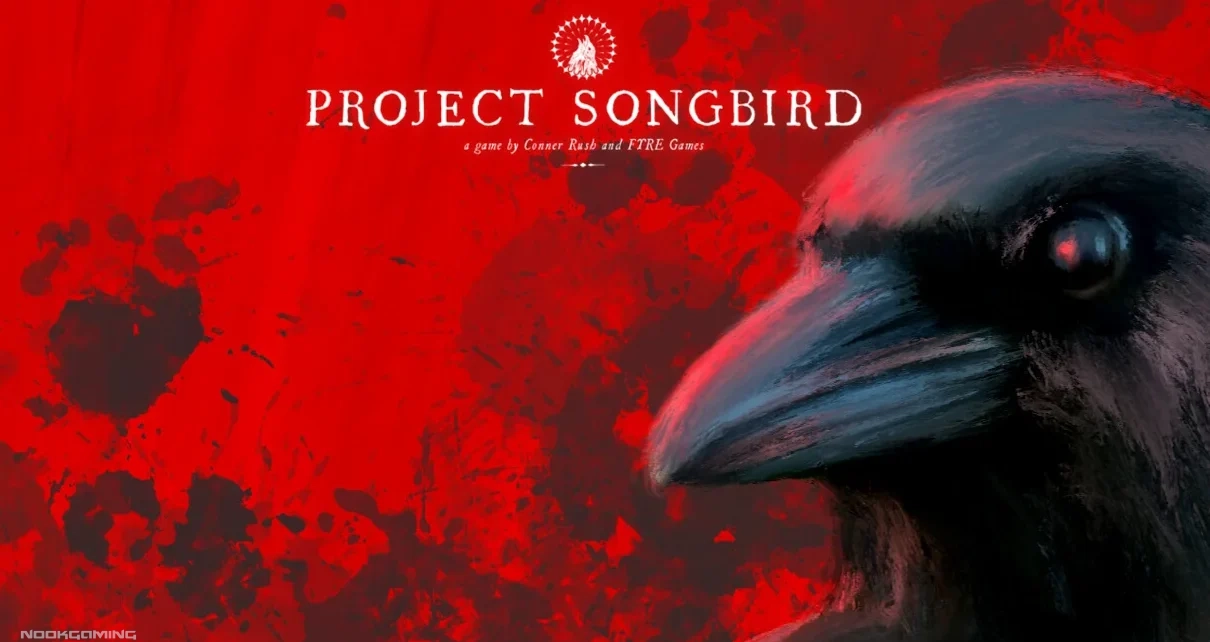
Whenever the horror train starts pulling out of the station, there’s only one valid reaction. It’s time to turn the lights off and prepare to traumatise my soul once more. Grab a lyric sheet and let’s see if we are all singing from the same sheet in Project Songbird, a cinematic first-person narrative horror game by FYRE Games.
Sing a Little Song For Me
Project Songbird sees budding singer-songwriter Dakota, known to the world as Neon Songbird, struggling with her mental health due to a traumatic event, along with writer’s block in the run-up to releasing her next album. Not quite feeling her usual muse, she has been creating more experimental tracks and trying to answer the question of whether she is still Neon Songbird.
Fanbases don’t usually react well to experimental outputs, both in the real world and in fictional cases like this. Dakota isn’t doing well, and her manager offers a retreat in a friend’s cabin deep in the woods to help her get back on track and find inspiration once again. She doesn’t feel like she has anything to lose and takes up the offer to sleep in a cabin in the Appalachian Forest. Seems wise, doesn’t it!
It isn’t long before Dakota starts to feel the effect of the mysterious woods. She starts to hear and see things that make her question what is going on before experiencing nightmare-like states that retreat into her past. It’s an interesting setup, and for the most part, the setup is the strongest aspect of the title. Alas, the story takes a complete nosedive in the final act of the game, cheapening the impact it could have had.
Turn Over For The B-Side
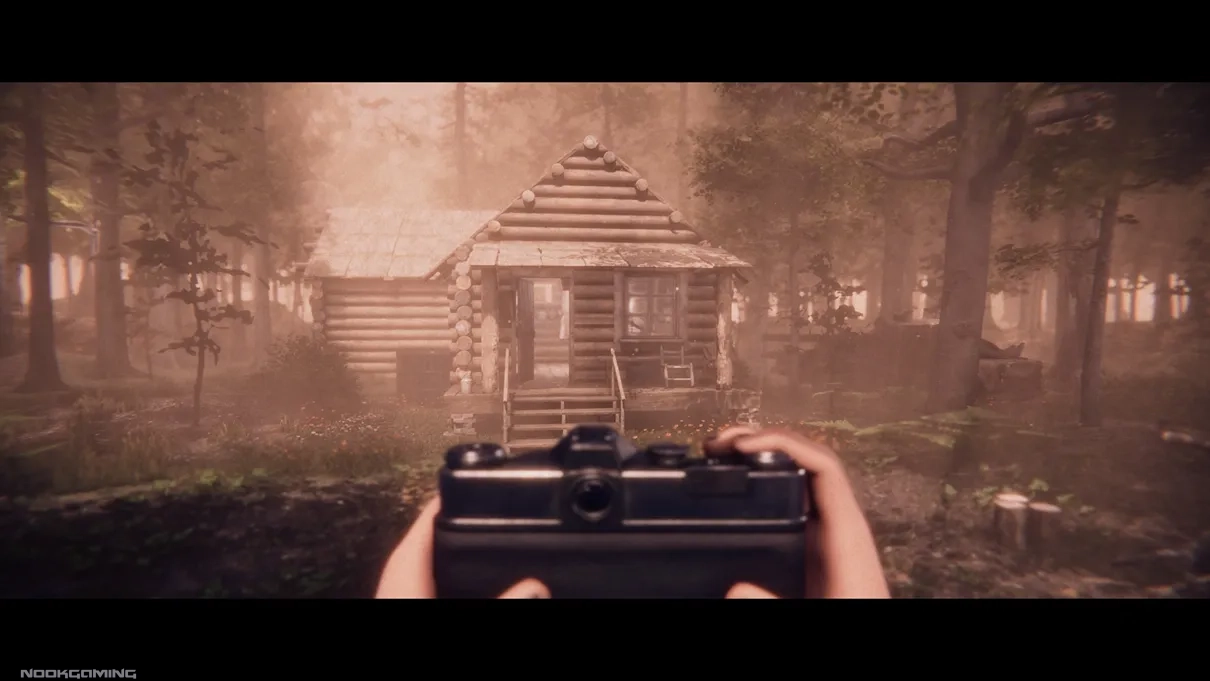
Project Songbird is a first-person horror that leans heavily into the “walking simulator” subgenre, something the developer has seen great success with previously. Honestly, the best parts of the game are where you’re walking around the forest areas surrounding the cabin, soaking in the ambience and feeling that tension build. Sadly, the game deviates from its own design formula here in a way that even the creator says in-game that they weren’t comfortable with, which feels pretty evident when experienced in-game.
On that note, throughout the game, the creator will interject with on-screen text, justifying decisions made in development, asking how you’re enjoying the experience, and even offering alternative options to tailor it to your preference. The tailoring feels like it steers it away from the original vision in a dampening lack of faith in the decisions made.
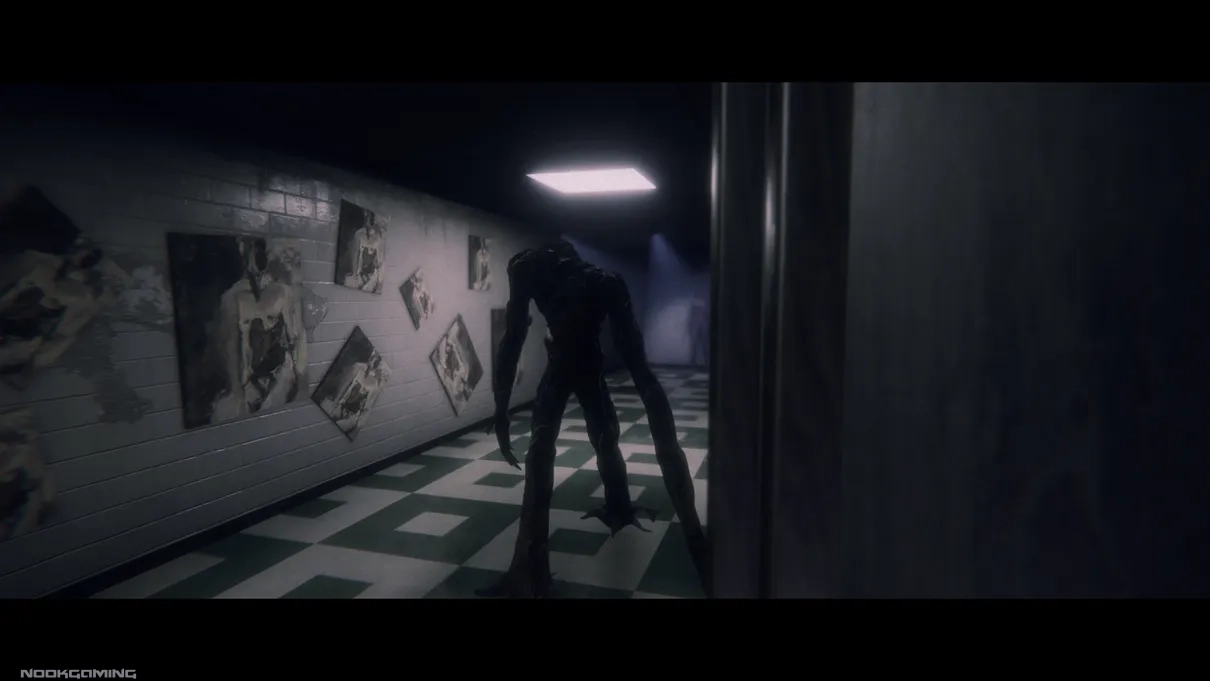
The slow pace of the game builds an interesting mystery as you slowly explore the areas in the forest. You might often ask yourself questions regarding what has happened here, see interesting areas in the distance, and wonder how you are going to get there and what awaits. Sadly, these sections are broken up with what can only be described as “otherworld” sections, where the game forgoes the slow build of tension and instead leans heavily on horror cliches, Lynchian-style visuals (i.e., foreboding yet mundane in an unsettling, dreamy way), and poorly implemented combat, stealth, and crafting.
I’m admittedly not the biggest fan of the “walking simulator” genre, but I can appreciate them in standout cases like What Remains of Edith Finch that can engage the player and slowly reveal the narrative piece by piece. Project Songbird feels like it can do this well enough when it wants to, but instead, the “Otherworld” sections present players with an almost jarring gameplay adjustment, providing an uneven mix. It simply doesn’t manage to hit the important parts of either the Walking Sim or the Survival Horror genres.
I’m Too Messy
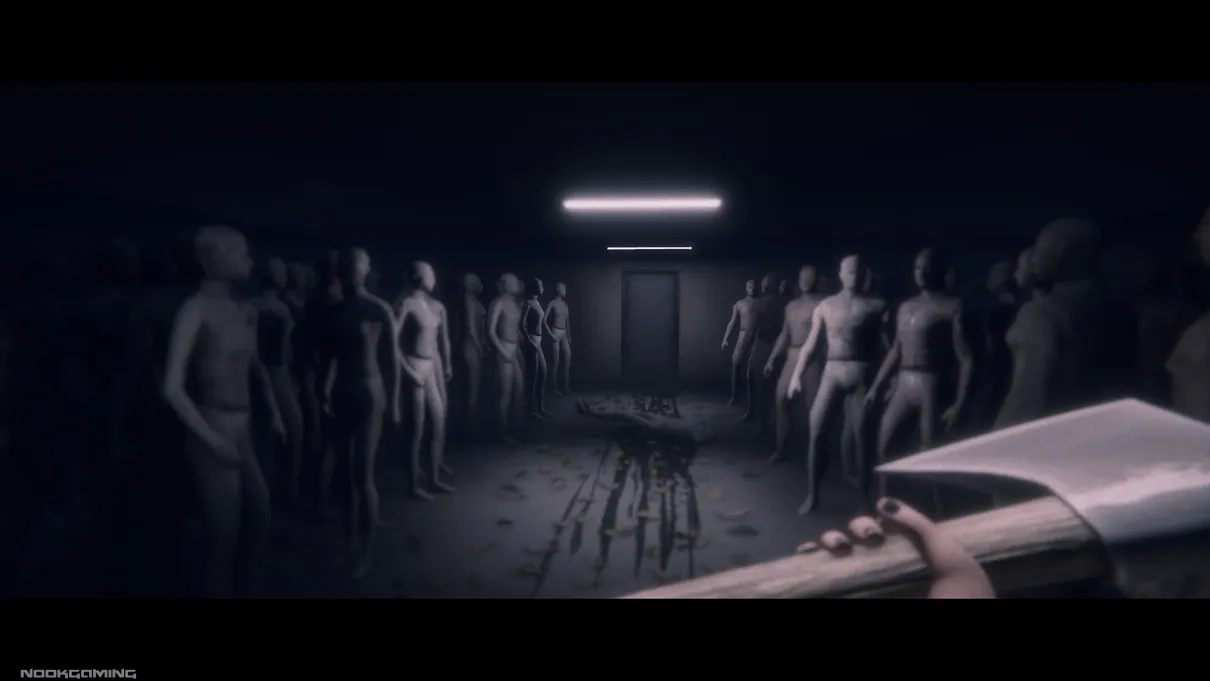
Combat in Project Songbird is, frankly, horrible. It feels so loose and disjointed. You can upgrade your melee weapons by finding various scraps around the world, but it doesn’t seem to do much to improve them. You can block and swing your axe like a madman, but it never really feels effective to do so. Dakota isn’t exactly a combat expert in-universe, but you should be able to feel the impact of wielding an axe. Yet even after getting a handgun, I never once felt like I had any viable means of defending myself, making forced combat feel horrible, and running away the only real option whenever it was possible.
Stealth equally felt dated in its design; for the most part it didn’t work, or I had to take an exact and specific path to avoid the monsters on the field. Distraction items often didn’t create a desired distraction. There was one section where I knew there was a monster around and the game made sure it told me there was a threat in the room, but I’ll be damned if it ever actually made itself known despite how clumsy my sneaking attempt was.
Stealth just feels so painfully implemented compared to the slow experience of walking around the forest, solving puzzles, finding sounds created by nature, and taking pictures of an unnerving and unwelcoming pocket of the wilderness. Again, the creator actually mentions in the game that the combat and stealth elements weren’t their wheelhouse, and while I appreciate the honesty, it begs the question as to why these sections were included at all if the team felt so strongly about them.
Don’t Open Your Windows or Doors At Night!
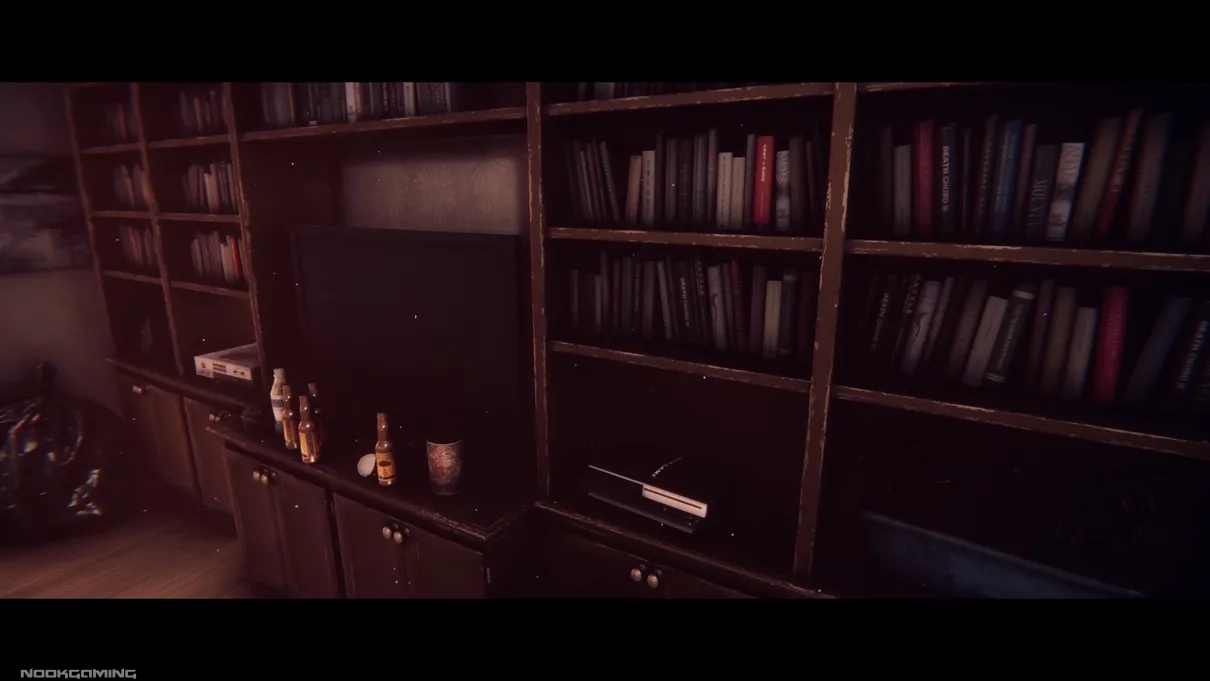
Visually, Project Songbird is gorgeous, but at the same time, a bit messy. The setting and environments are captivating in a dark horror kind of way. Interacting with items often sees the item in question just float towards your screen and appear in your rucksack, however. The monsters animate strangely and struggle to find their way through the environment due to pathfinding issues, but on the flip side, there are just some scenes in the game that are so picturesque you can’t help but get immersed in them.
The game is presented in a letterboxed widescreen format with film grain to give it that classic “found footage” feel of many horror movies and shows. This really does help you get absorbed into this mystery. Once again though (in an almost damning admission), you are met fairly early on with dialogue from the creator trying to explain why they chose this and giving you the option to alter these features and make the game look closer to a generic Unreal Engine 5 title.
Performance is also a little spotty. Textures have a tendency to pop in and out. The framerate would also splutter not only when you initially load into the game, but seemingly at random parts of the game too. It just felt like the game was struggling on my base PlayStation 5. I can’t comment on how it performs elsewhere, but I will mention that again, the developer puts what feels like an apology in the loading screens about the initial stutters.
The sound design in Project Songbird is perfect; the game has a plethora of voice actors known for roles in titles such as Dying Light 2, Persona 3 Reload, and even the previously mentioned What Remains of Edith Finch. Dakota is a singer and naturally has a keen interest in music, and so there are plenty of licensed vinyls to find and listen to in your downtime.
The sound design in sections in the woods—listening to twigs snapping, rivers flowing, and leaves rustling in the distance—is frankly unmatched. Heck, even the “Otherworld” sections of the game nail the sound design, creating an eerie tension keeping you on edge while you’re immersed in the title. It lessens when the gameplay elements take you out, but I can’t help but appreciate the work that went into making this game at least sound fantastic.
Verdict
When I started up Project Songbird, I had to sit through quite a bit of dialogue from the creator trying to justify the game’s existence. Whenever I would load the game up, I’d be asked to rate it or have an aspect explained. I was enjoying the slow build before the “Otherworld” sections, but something just wasn’t quite sitting well with me.
I feel that Project Songbird would have been a much stronger title if the creators of the game had more faith in their original design and choices. Instead, it feels like the developer is pleading with you to accept where they had to renege on their original vision, almost mirroring the narrative of the game. Frankly, it just weakens the title even further, a title that could have been something special if you look at its stronger points alone.
Between spotty performance, disjointed gameplay, and apologetic dialogue, I couldn’t recommend Project Songbird. It had everything in place to be a hit indie horror title. Instead, it feels like outside factors may have ruined the original vision, which is bleeding through from the second you boot the game up.
WAIT FOR SALE ON PROJECT SONGBIRD

If you would like to see more horror games, you may be interested in our review of FATAL FRAME II: Crimson Butterfly REMAKE.
Many thanks go to FYRE Games for a PlayStation 5 review code for Project Songbird.
Pride of utopia & greatest thing ever, I found the One Piece, Collected the Dragon Balls & won the Mortal Kombat Tournament in one night, it was quiet for me that night! Follow me on Twitter @powahdunk