FATAL FRAME II: Crimson Butterfly REMAKE is a full remake of FATAL FRAME / PROJECT ZERO II: Crimson Butterfly. This horror adventure game follows twin sisters Mio and Mayu Amakura as they visit an old forest area where they used to play. Arriving not long before the area is due to be levelled, they stumble upon a cursed village that shouldn’t be there and take it upon themselves to explore it.
Two Is the Magic Number
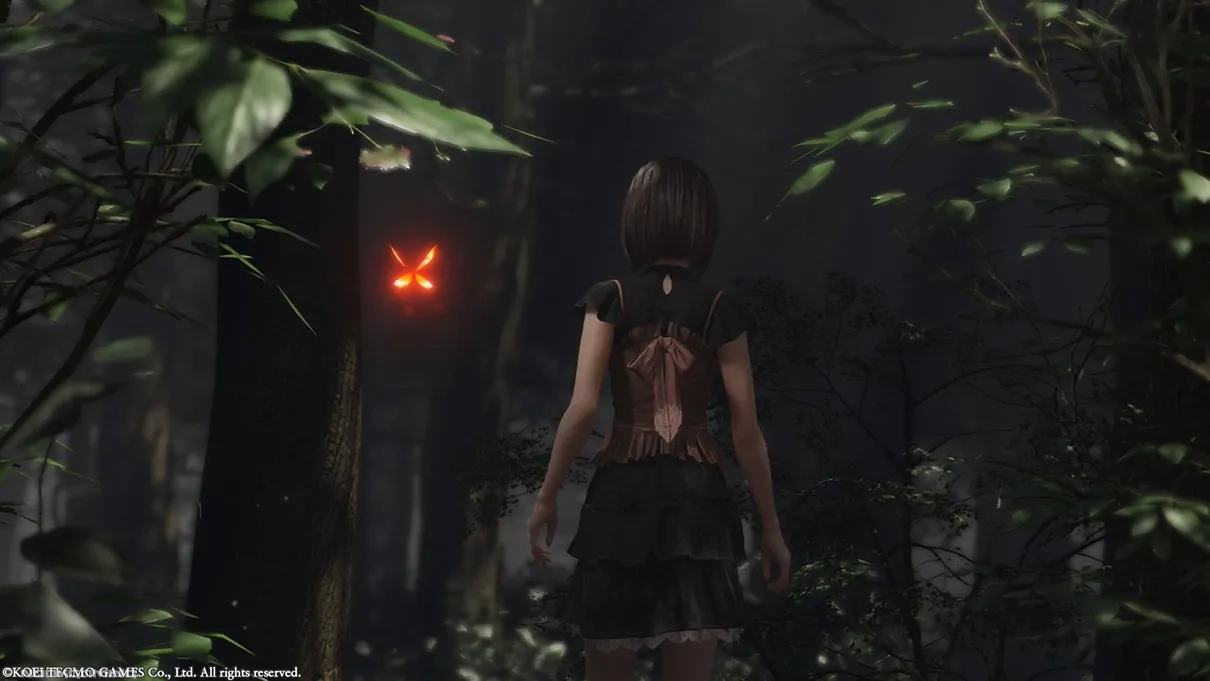
The village is cursed after a failed ritual involving twins, one of whom must be sacrificed to appease a gate to the underworld hidden beneath the town. In a stroke of luck for them, a pair of twins just so happen to stumble upon this village. While younger sister Mayu finds herself wandering around the village after Crimson Butterflies, older sister and playable character Mio is left chasing her around, trying to escape the village and aiming to prevent her or her sister from being used as a sacrifice to save the village from damnation.
The main pull of the story is the conflict between the sisters. While they care for each other, there is a slight resentment between them due to an incident that happens at the start. Further events occur throughout the game that stretch that relationship even further, and even when you bring the twins together, the way they have been written feels like they are worlds apart. It’s absolutely masterful stuff.
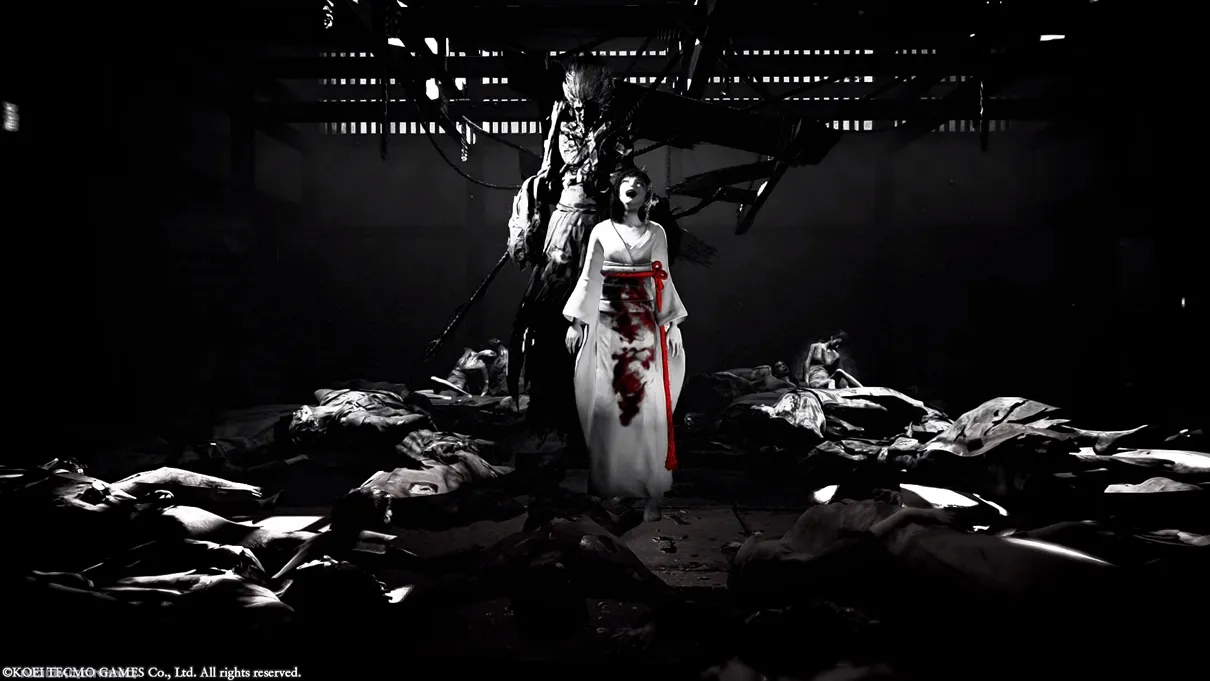
The story is told mostly through files you can find throughout the game, either naturally or by following the many side stories that tell the tale of the damned members of this village or people who have unfortunately stumbled across it by accident. There are a fair few cutscenes and bits of spoken dialogue throughout, but these are minimal compared to the amount of depth you get from these. If you aren’t a fan of reading, you’ll be missing out not only on puzzle solutions and hints at how to get the game’s many endings, but also some of the richest and most detailed lore not only in this franchise but also in the genre.
The struggle of the villagers, weighing up the morality of the ritual and how their lives are ruled by this open gate to hell, is quite an intriguing mystery as well. The side stories are all weighty and well worth following. I absolutely adored their inclusion here and found them at times even more endearing than trying to find my pain of a twin sister in the ghost village. There will be a few die-hard fans of the original who will be sad to hear that a few endings have been cut, but in exchange, there is a brand new ending just for players of this game to enjoy.
The Wings of a Butterfly
FATAL FRAME II: Crimson Butterfly REMAKE is a survival horror title, and certainly one of the more traditional in the genre. It’s an intentionally slow-paced, isolating battle against ghosts set in Japan and genuinely forgoes a lot of the more “action” cliches that many other horror series lean into. It’s always been considered quite a unique series due to the combat being essentially “taking pictures of ghosts” while playing as a young and vulnerable girl rather than loading up with guns and surviving while being a badass.
Vulnerability is what really sets Fatal Frame as a franchise apart. You can’t really sprint away from danger, but instead jog incredibly slowly, and you’re not combat rolling out of the way or able to come back with a stronger weapon. Instead, you need to tackle the ghosts head-on with the Camera Obscura, which, while you’re staring down the lens, leaves you wide open to be dragged straight to hell. You never really become an overconfident character who can deal with what is going on. Ghosts, friends, and foes alike keep you on your toes and wear down your sanity, leaving the player to constantly wonder if you have enough healing items to go on, and if you have enough special camera rolls in case stronger wraiths decide to appear.
FATAL FRAME II: Crimson Butterfly REMAKE absolutely nails the core aspect of what made the series so damn good and makes up for some of the “weaker” releases (though I’ll die on the hill that Mask of the Lunar Eclipse is criminally underrated). It does this in such a way that changes that have been made not only feel natural but also heighten that level of fear and tension.
Damn, This Ghost Got Hands
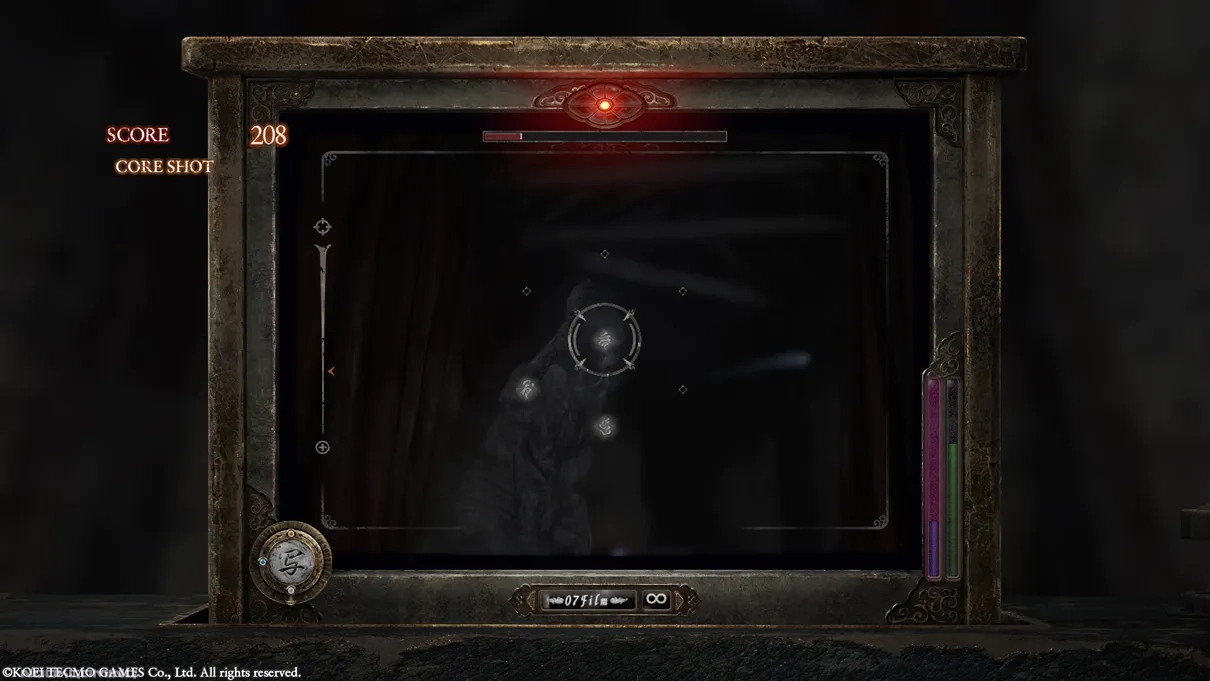
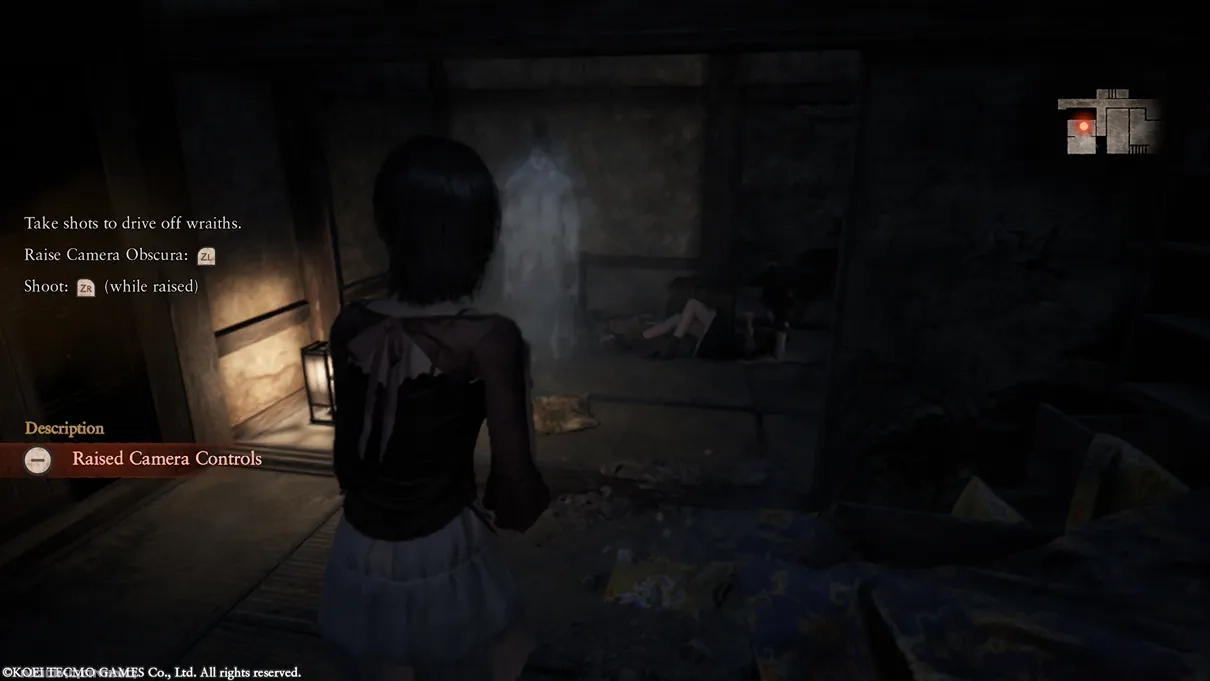
Ghosts are a much tougher battle in this title than they have been before. You’ll be using the Camera Obscura to target the spirits and get the most damage by taking a perfect picture of their face. You’ll be trying to get that “Fatal Frame” when it is attacking, thus stunning the spirit, causing the most damage, and activating a “Shutter Chance” where you can continuously take pictures without reloading for a short time.
While the Camera has new features, the ghosts themselves are much more active and aggressive than in other titles. Just when you think you’ve got them, there is a mechanic where the ghost can get “aggravated.” They regain HP, become more aggressive, and take much longer to kill. This absolutely drains your resources, especially if you happen to aggravate more than one in a single battle.
In my time with the remake, many enemies became aggravated far too often, which caused more frustration than fear, particularly in the early hours. It wasn’t until I got much more proficient and got a few upgrades for the camera, which is done by finding Prayer Beads around the world, that I felt a little more confident taking the spirits on, knowing full well the fights would be lasting a lot longer than I expected.
Hide and Sneak
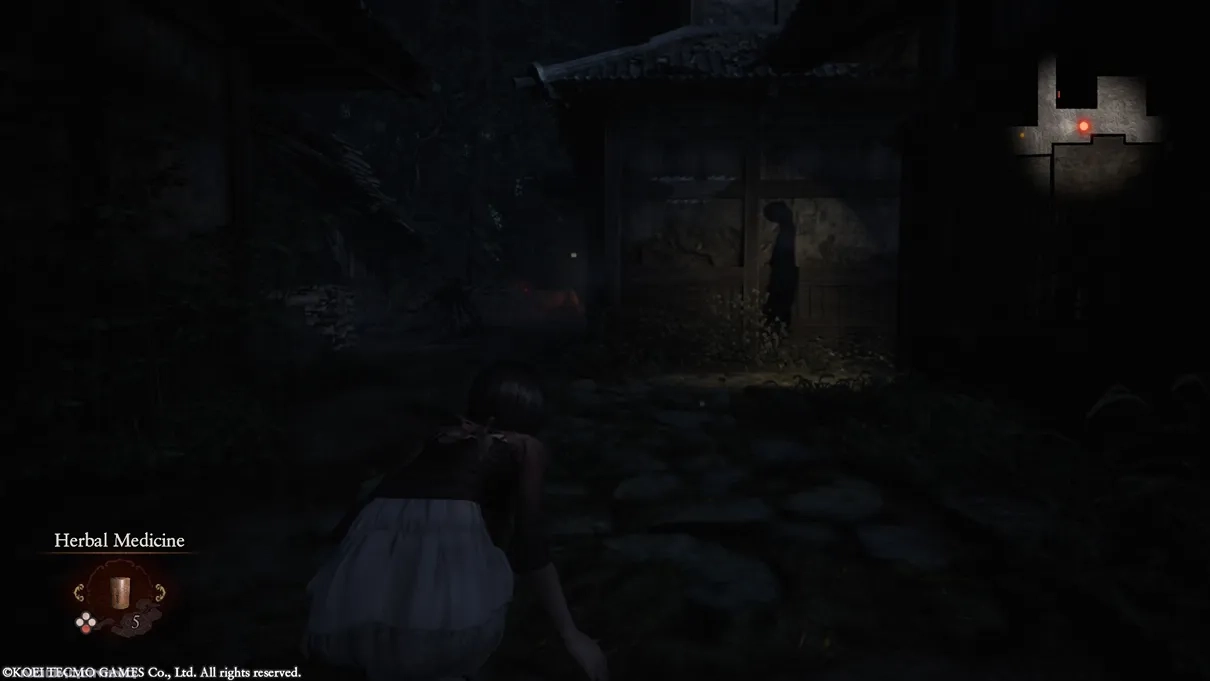
A major gameplay change from the original is the addition of stealth. You can now hide from groups of ghosts, and there are blind spirits that you can avoid entirely by sneaking past them. There is also a giant, invulnerable ghost that acts as a stalker enemy, which patrols an area and cannot be fought. When they chase you, your only hope is to hide in the conveniently placed hiding places and pray it leaves the area for long enough for you to make progress.
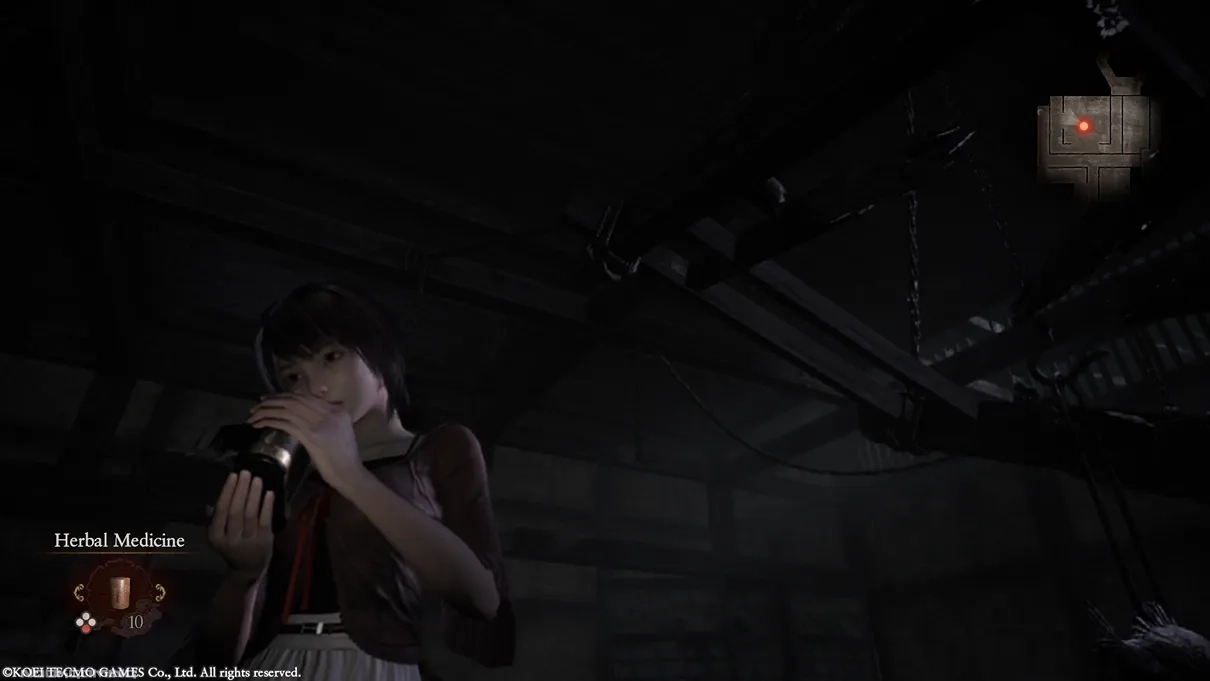
You can find items hidden around the world, usually made easier by using your torch which has the added risk that you are more visible to the ghosts that roam the world. You can also use points earned from combat to buy items and charms from the in-game shop. The charms give you additional attributes, and you can unlock more by finding and taking pictures of the many twin dolls that now litter the village. I did find myself praying for film to be added to the in-game shop due to the sheer amount of it that I was using on the more aggravated ghosts in the game.
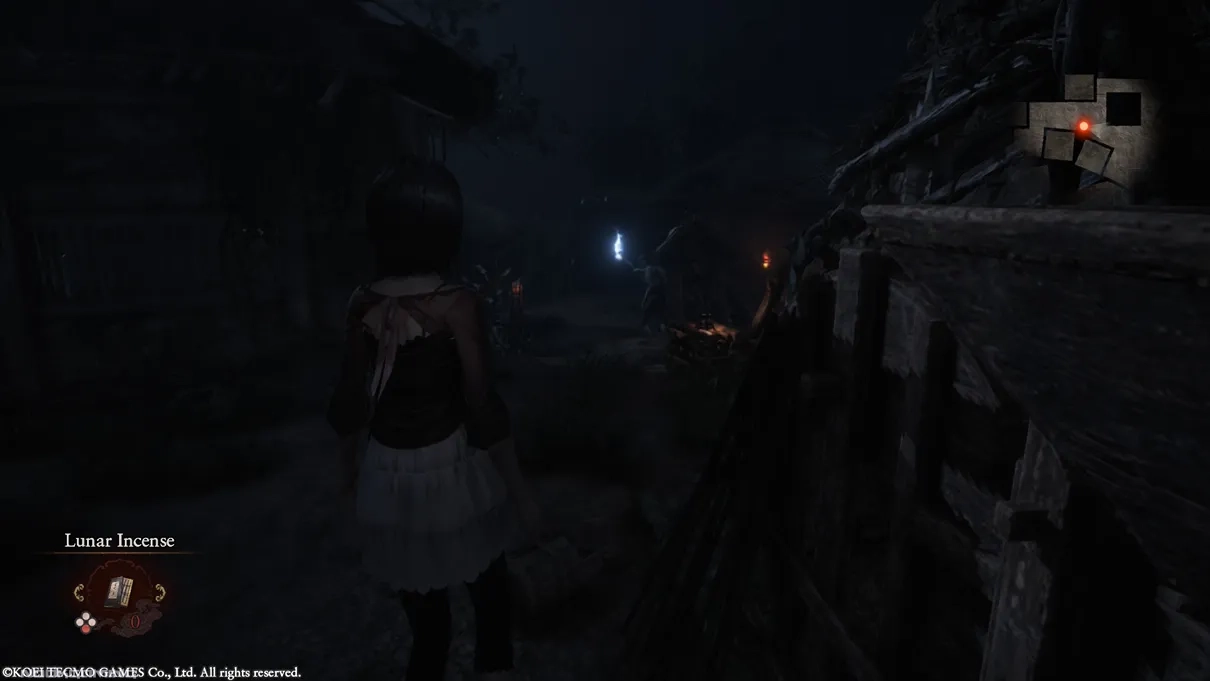
Additions aside, it follows the usual style of the genre. You explore the village and unlock more of it as you progress, usually by finding a key or a spirit that will open a door for you to progress. A puzzle will occasionally hit you, though nothing that really feels cryptic to solve, and at times you are on your own, and sometimes you’ll have your twin with you, who you can hold hands with. This raises your willpower, which ghosts like to zap away. The willpower allows you to perform special shots with your camera and move a little quicker, sort of like a stamina bar that reduces with conflict rather than actual moving.
The sections where you have your twin with you also become somewhat of an escort mission. They are also susceptible to damage, and the ghosts know this well. I often found myself passing them to look at an item, then finding the ghosts trying to choke the life out of the younger twin. You have to mix up keeping her close or trying to distract the ghosts away from her, giving you two life bars to worry about.
Quality of Afterlife
While the game is set in chapters, you are fully able to revisit older areas and this is actually often encouraged with the new side stories that send you back to previously explored areas with additional narrative segments following a character who’s fallen victim to the evil goings-on within the village. This is something later titles in the series started to forego, often locking you out of areas or making the trip not worth your time.
I felt the difficulty was really unbalanced, but this isn’t particularly unexpected for the genre. The game is tough as nails at the start, and I’ll admit that I was dying a lot in those early hours to the point I felt like I was missing something. I stuck with it, and the difficulty started to plateau. I was taking advantage of stealth, found a rhythm with the combat, and found myself honestly enjoying the gameplay the most out of any of the Fatal Frame games. That rewarding feeling that I was actually “getting it” really motivated me and enforced that this is an alien situation to our protagonist, and while it is a remake of a game I’ve played before, I felt the need to come in with fresh eyes and not expect a tried-and-tested rehash.
Beautifully Desolate
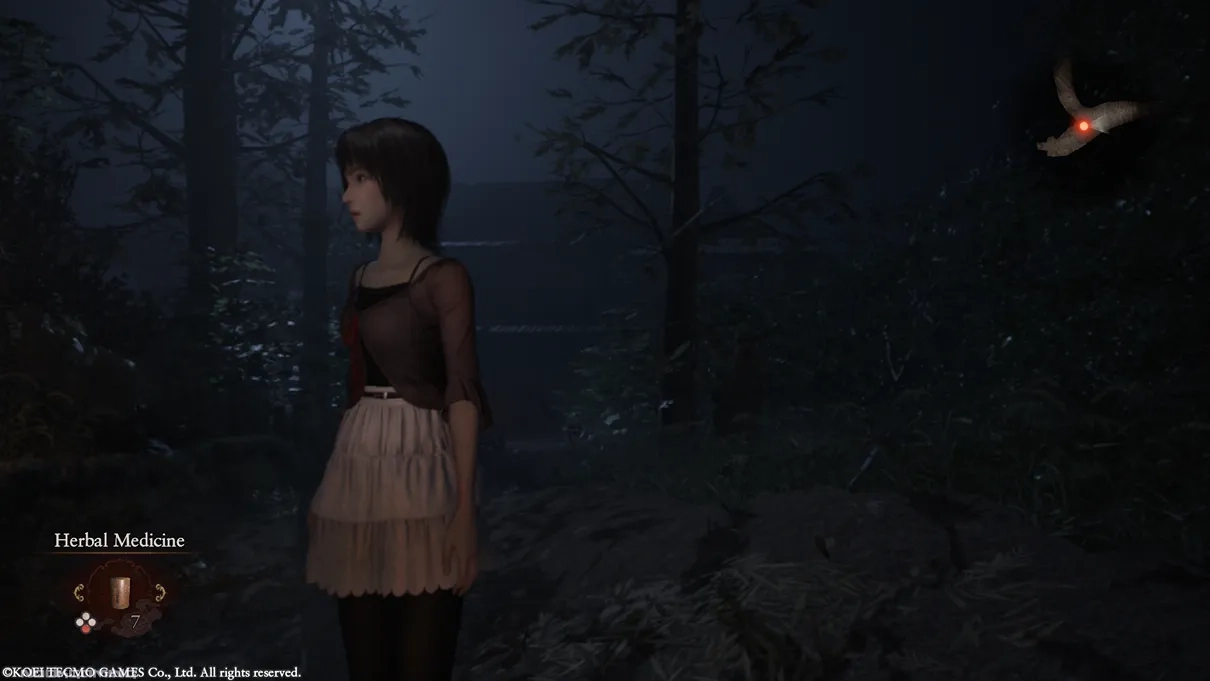
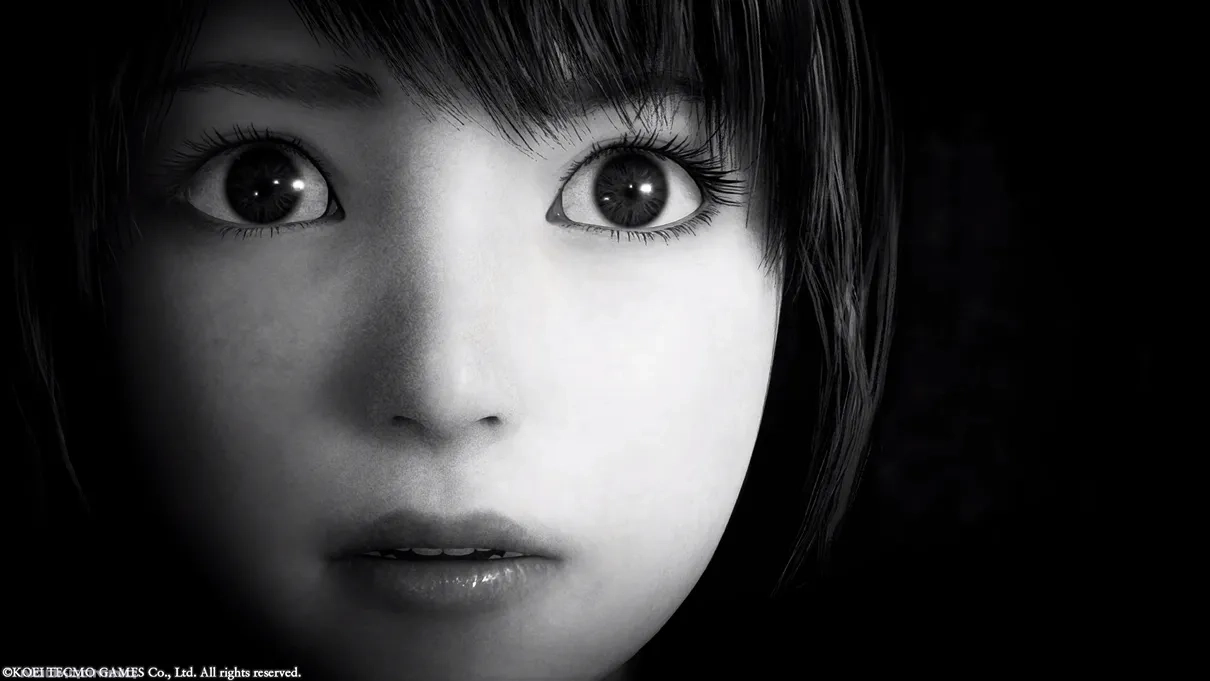
FATAL FRAME II: Crimson Butterfly REMAKE has seen quite the change when it comes to the visuals. Traditionally, the character models have always looked very similar to other Koei Tecmo titles, namely Dead or Alive, at least when looking at the faces. The first thing you’ll notice with this game is that the characters have a more distinct style that separates them from this aesthetic. The characters look a lot closer to their ages of 15, and I would wager this is going to be quite the sticking point for some. Personally, I love the fact that not only are we unifying the title of the game to Fatal Frame, but it is further pushing for its own identity rather than just being a “Koei Tecmo Horror.” It’s initially jarring, but personally, I’m all for it and applaud the decision.
The visuals are outstanding. The village has never looked more foreboding, the weather effects absolutely hit, and the textures are fantastic when they load in. There were several sections I noticed where the textures would pop in. It didn’t happen all the time and was only very brief, but there were some rather barren-looking rocks and stairs for a few seconds throughout the game.
The ghosts are all distinctly unique, and you can usually figure out how to take on your next fight if you see them in the distance. This does mean there aren’t quite as many different types, but they all are much more defined, usually indicating how they are going to attack or roam the area looking for you.
There is an English or Japanese dub on offer. Both are perfectly fine, though I feel someone, somewhere, is upset that I played my first run with an English dub. The ambient sound is absolutely on point. You’ll jump plenty of times with environmental effects, stuff falling behind you, twigs snapping, or lightning striking. The only thing that slightly detracted from the experience was the battle music, which was usually a spoiler that I was getting into combat.
Verdict
FATAL FRAME II: Crimson Butterfly REMAKE has gone the route of the more successful remakes: it keeps everything that made the original game so memorable while adding extra content, changes the visuals, and makes it a little more unique rather than just improving the graphics and calling it a day.
It does a great job of not outright replacing the original but offering a new version of it for fans and newcomers alike, alongside a new level of challenge. This is an absolutely phenomenal jumping-in point for people who may have been curious about the series before, but were intimidated by starting with the fourth or fifth entry. It’s still not going to be for everyone, but in this day and age where the survival horror is pulling quite the comeback, FATAL FRAME II: Crimson Butterfly REMAKE is going to once again prove the rule of two remains untouchable.
FATAL FRAME II: CRIMSON BUTTERFLY REMAKE IS HIGHLY RECOMMENDED

If you would like to see more horror games, you may be interested in our review of Resident Evil 4 (Remake) or Tormented Souls.
Many thanks go to Koei Tecmo for a Nintendo Switch 2 review code for FATAL FRAME II: Crimson Butterfly REMAKE.
Pride of utopia & greatest thing ever, I found the One Piece, Collected the Dragon Balls & won the Mortal Kombat Tournament in one night, it was quiet for me that night! Follow me on Twitter @powahdunk