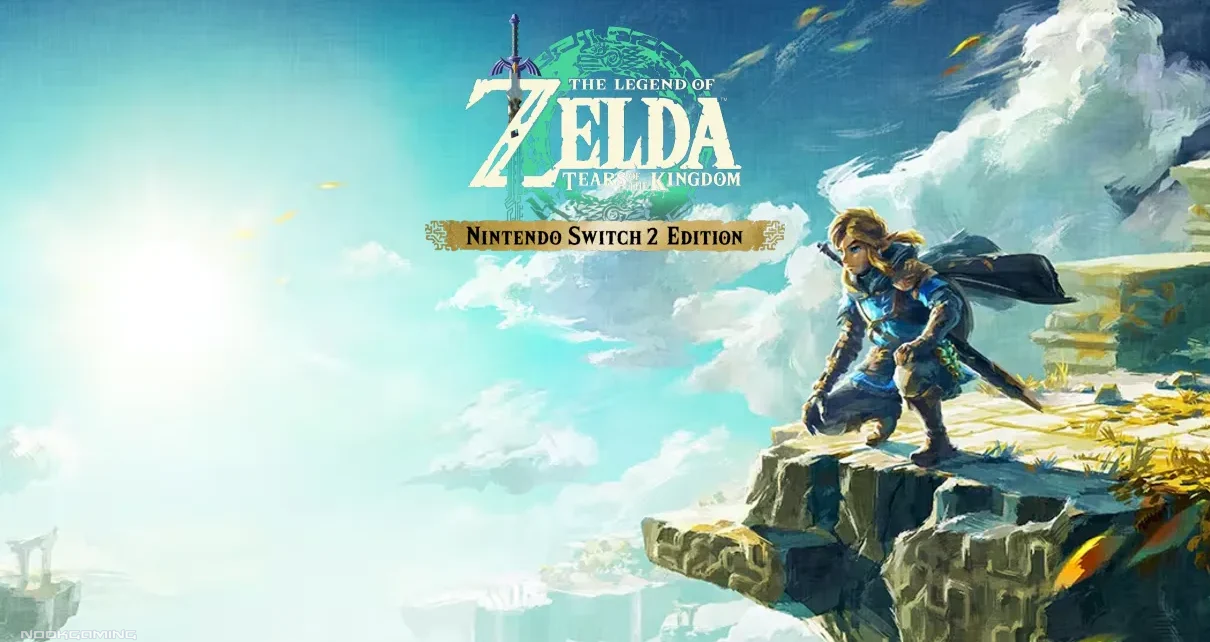
The Legend of Zelda: Tears of the Kingdom was my very favorite game of 2023. As the sequel to The Legend of Zelda: Breath of the Wild, it had some enormous shoes to fill, and for the most part, I felt it met expectations and even surpassed its predecessor in some important ways. Despite the numerous ways a person can go about playing it, I held off on a revisit for a long while because I was certain it would get something for whatever Nintendo’s successor console would be. Fast forward to 2025, and The Legend of Zelda: Tears of the Kingdom – Nintendo Switch 2 Edition was released, promising the improvements that I hoped it would. How does Tears of the Kingdom fare on its second round?
We’re Builders Now
For the full breakdown on my feelings on Tears of the Kingdom, I’d recommend diving into our review from 2023. My feelings on the game have, broadly speaking, not changed. Tears of the Kingdom is still an excellent look into Nintendo’s best design idioms, complemented by a refreshing take on the open-world genre. Like its predecessor, The Legend of Zelda: Tears of the Kingdom is an open-world Zelda title combining open-ended exploration, puzzle-solving, and a robust physics system that also throws in a healthy amount of chemistry and interactivity. What the player can do and get away with is almost always a question of how skilled and prepared they are. Even doing something as reckless as storming the final area and wrecking the final boss is completely possible if you’ve got the chops for it, and it’s that sense of control and trust in the player that really lets this version of Hyrule shine. Where this game differs is in how it expands and recontextualizes several of those old mechanics, mostly through the presence of what I feel are some smart tweaks and incredibly fun new mechanics.
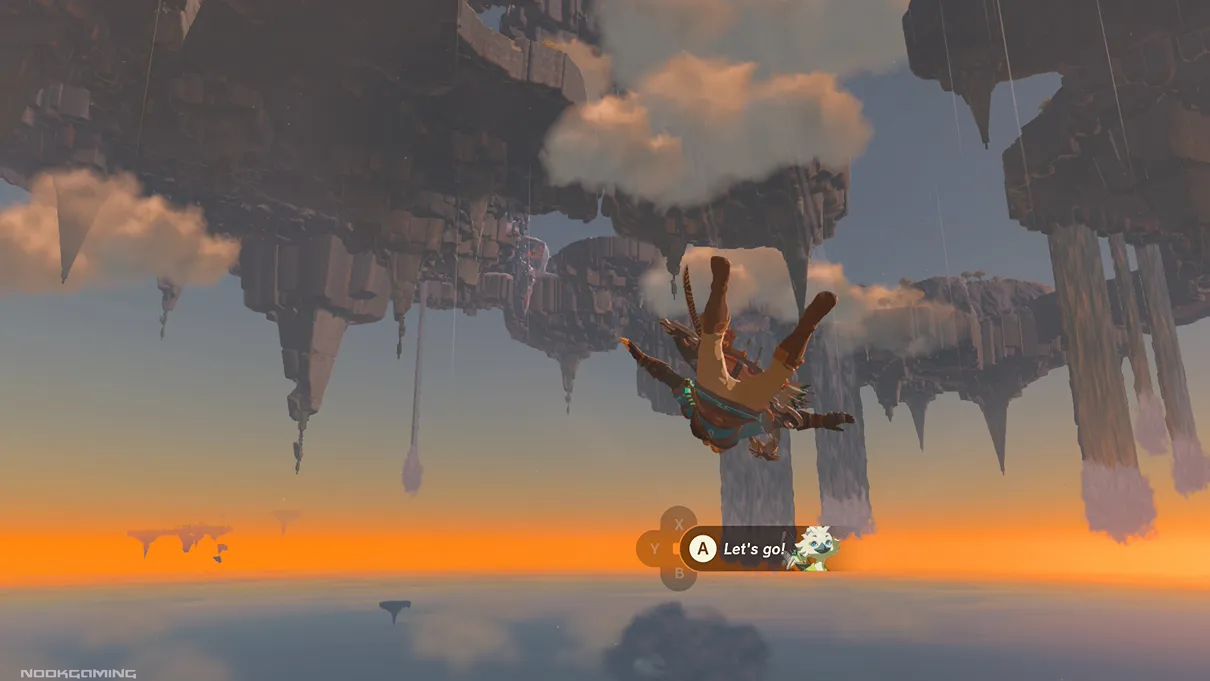
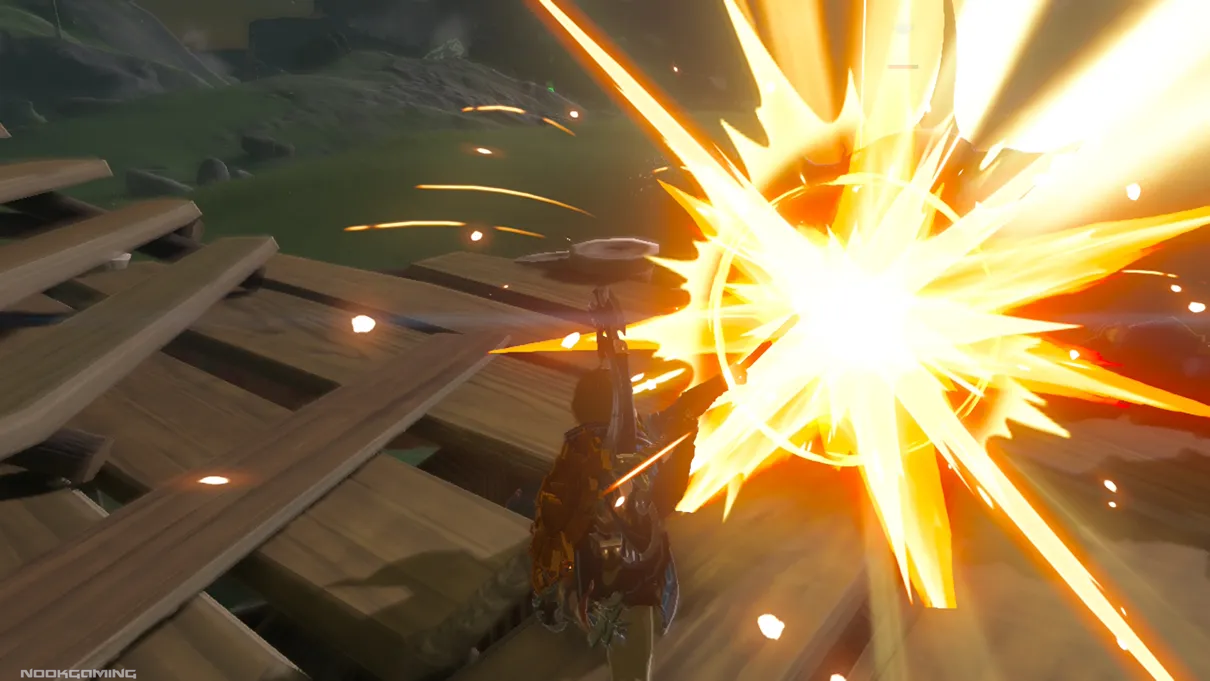
Tears of the Kingdom’s main claim to fame is its new combination systems possible through Link’s new powers, which replace the ones from the previous games. The first is Ultrahand, letting you stick together most open-world objects and items to build outrageous contraptions, like building boats out of trees or death traps out of cages and lasers. The second is Fuse, allowing you to stick any object or weapon onto any other object or weapon, many of which have unique effects beyond different damage or elemental values. Some might offer buffs to damage when doing a Flurry Rush or others might offer very high attack power in exchange for being brittle, making them ideal instead for bows. While it’s a fair observation that many fusions aren’t very practical, I think they’re still lots of fun regardless, and some of the more ridiculous ones I got plenty of mileage out of. Flying high in the air because I attached a rocket to my shield or using a bomb attached to my shield for an explosive entry simply never got old.
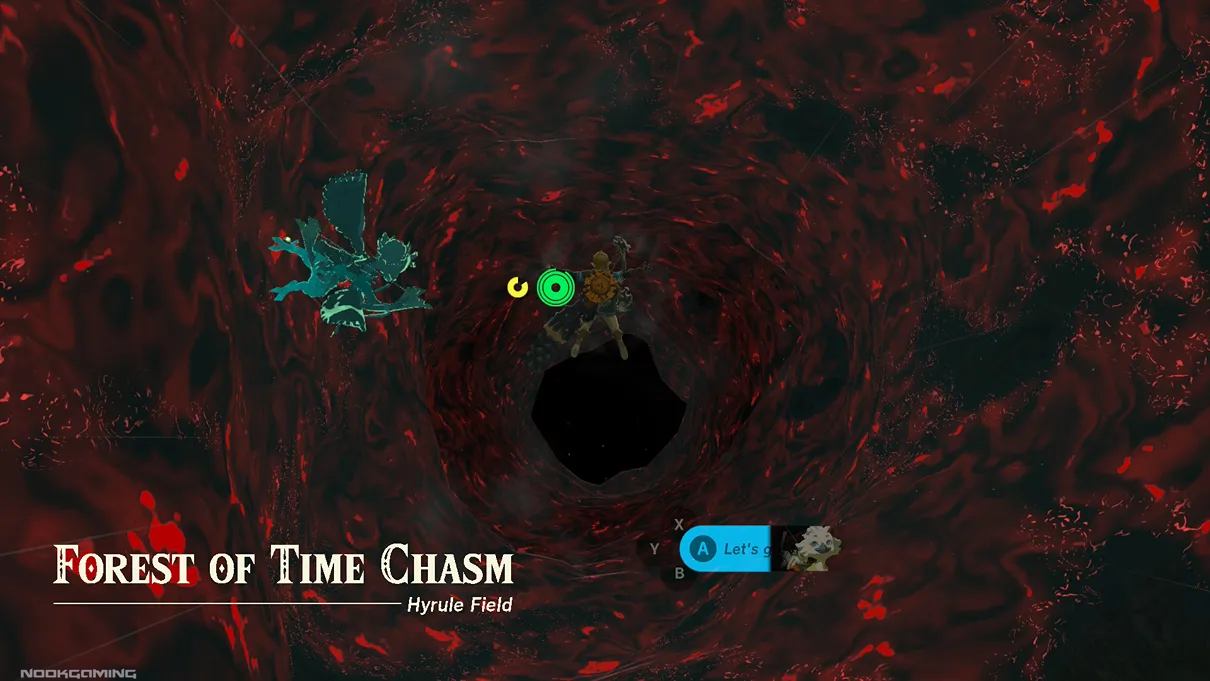
This is also not to say anything of Ascend, allowing you to go straight through ceilings, and Rewind, which lets you rewind time on an object for strategy and puzzle-solving. Both of these are not only impressive gameplay ideas in a technical sense, but they are also a lot of fun to fool around with, helping to further complement the new areas that take place in the sky and far below the surface. Although I think the game could have done a better job of evening out content between each of the three main maps, I also think exploration in this game is fun enough to feel like a reward in and of itself, so I never actually minded it that much.
Solve How You Want To… Again!
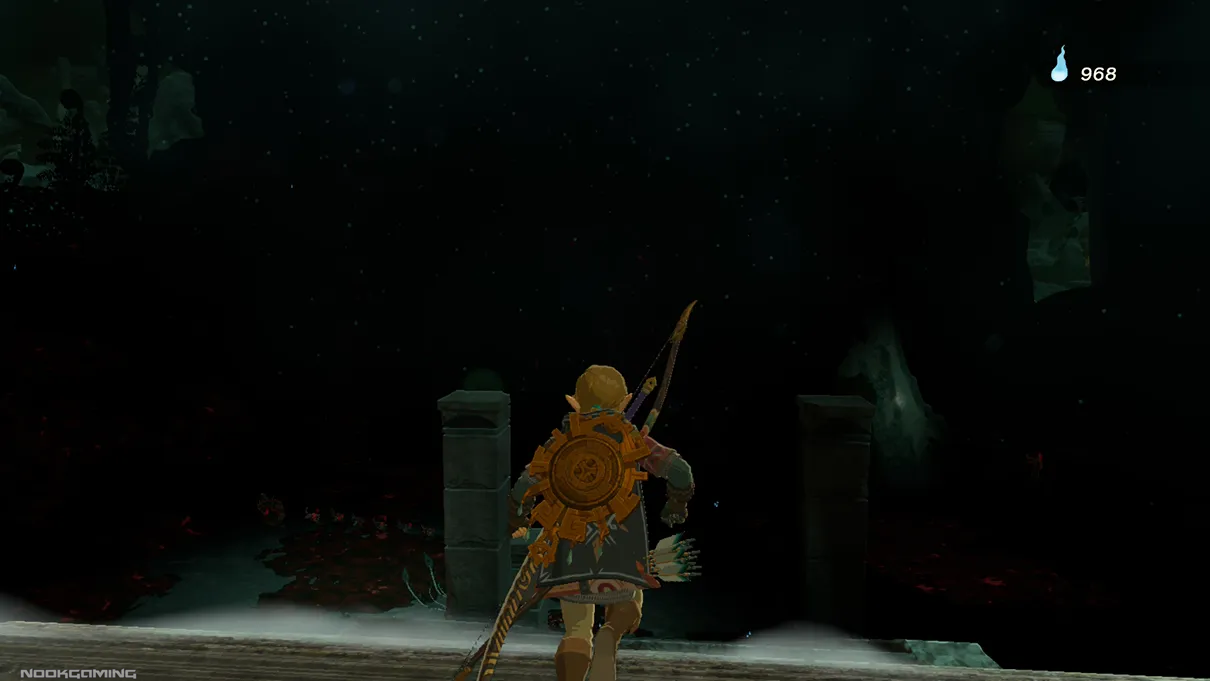
Complementing the exploration is Zelda’s tried-and-true puzzle-solving emphasis. Like in Breath of the Wild, Tears of the Kingdom’s puzzles are not prescriptive like most previous Zelda outings. This effectively means that the player can solve puzzles by any means necessary, using whatever tools they have at their disposal, no matter how outrageous or cheap. Thanks to Link’s skills in this game being more broad and vague in their applications compared to his Sheikah powers in the previous game, I think Tears of the Kingdom does a better job of obfuscating solutions and thus making them more fun to solve than before. There are also just more shrines to go around that better leverage the core mechanics compared to Breath of the Wild. Some force you to stealth your way around enemies after taking your stuff, others will force you into using limited toolkits to deal with enemies, and others might have you work out incredibly specific contraptions to find the way ahead.
These are also elements further brought to form by the excellent setpieces and main story dungeons spread throughout the game. These are more complex in their design and much richer in presentation, combining gameplay and imagery in a way that’s truly quite stunning. The climb up to this game’s incarnation of the Wind Temple is so good that it may just stick with me for the rest of my life. From the way the music steadily rises as you make your way up, to the hauntingly lonely and quiet atmosphere within the eye of the storm, it’s truly hard to argue that it’s not Zelda at its best.
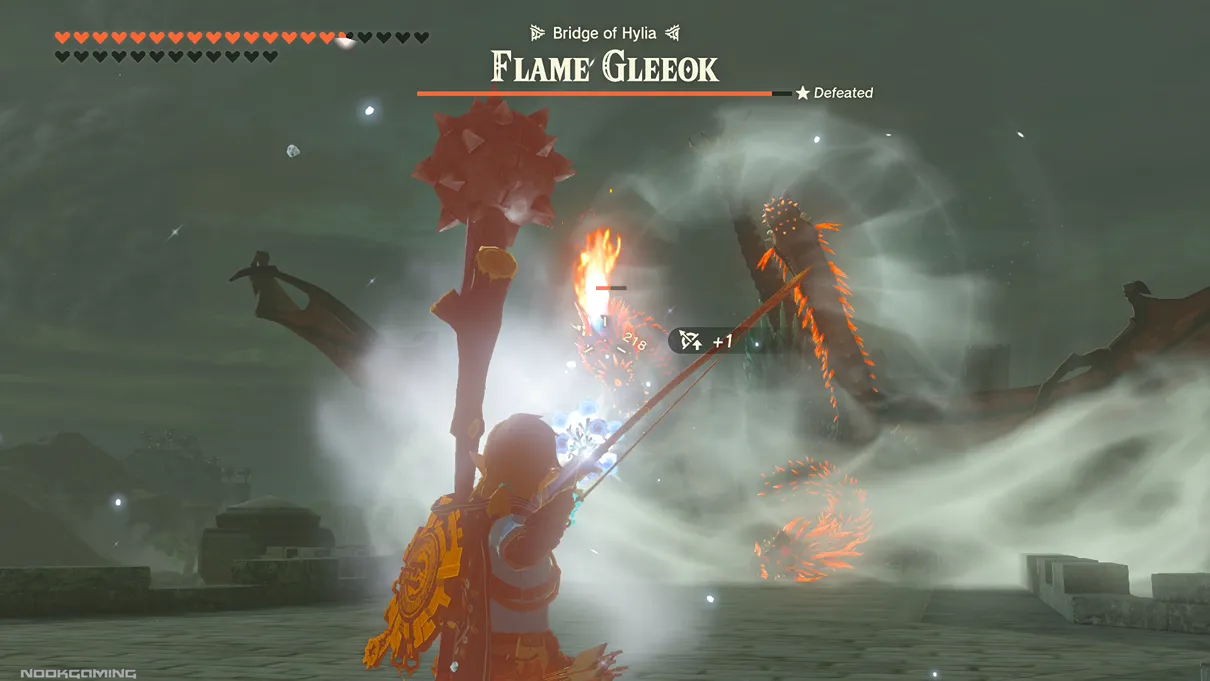
The main dungeons are also a noticeable step up from the ones in Breath of the Wild. While I don’t think they’re as good in terms of story or emotion, they are a significant step in art, level design, and their climaxes. Bosses are now fully unique instead of being different takes on Ganon, are more thrilling in the way they fight, dungeons are now artistically distinct from each other, and the navigation and puzzle-solving elements are better than before. About my only complaint is the same issue I have with Breath of the Wild’s dungeons, where they are too structurally samey for their own good. Four of the five main story dungeons follow the same pattern of “track down five terminals and activate them,” which makes things feel a bit more artificial than they ought to. Still, I think the effort put into making the dungeons fun to navigate and their dungeon gimmicks being so distinct helps to mitigate this a lot, and the dungeon that does subvert this might just be my single favorite in the whole series.
Smooth and Sharp
The Legend of Zelda: Tears of the Kingdom was far from a poorly optimized game, and in fact, given the specifications of the Switch 1, it’s actually a very impressive outing for the console. That said, you can still feel the kickback of an engine and sense of scope that punched far above its own weight. Areas that gave Breath of the Wild some trouble had returned in Tears of the Kingdom and weren’t improved much, combat could drop in framerate depending on how much was going on, and overall smoothness would get dicey when using Ultrahand a lot. Far from unplayable, but also not close to ideal either. I’m happy to report that the Nintendo Switch 2 Edition smooths over just about all of this. Load times between areas and during fast travel are brief, the resolution is a lot higher, colors really pop thanks to HDR, and a shaky 30FPS is replaced by a near-perfect 60FPS. While this improves playability in obvious ways, I also think it does a lot in terms of helping the game’s pacing along. Like in Breath of the Wild’s Switch 2 iteration, faster loading is a damningly effective smooth-over in keeping up my explorative spirits.
Shrines are something I always immediately tackle now because the load times that were the only barrier to my immersion before now, and while they’re not removed entirely, they’re short enough that I don’t mind them. Fast travel being shortened considerably is also a huge help, since Tears of the Kingdom’s more nuanced quest design, compared to its predecessor, demands more back-and-forth between areas.
The New Stuff
The actual gameplay contents have not changed in this version of Tears of the Kingdom, but like Breath of the Wild, there are several new features available via the Zelda Notes companion app on smartphones. Like in Breath of the Wild’s Switch 2 version, there are new quality of life features and bonuses for players who engage with it. There are daily item rewards, an item transfer system where you can give out weapons, food, and so on to other players via an item sharing system, as well as a sort of GPS that can help you navigate the game world and track things like shrines or specific items down. It’s essentially a glorified Player’s Guide, and I mean that in a good way, even if I ultimately don’t tend to use these sorts of things. For players who are new to the genre or games in general, it can be especially helpful.
There are also new Voice Memories: voice clips from characters that give insight into the locations the player visits and their story implications. In Tears of the Kingdom, there are three different narrators for each memory based on each of the three maps. Zelda herself narrates memories of the surface world like the previous game, Rauru narrates memories in the sky, and Master Kohga narrates memories inside The Depths. Similar to Breath of the Wild, I would recommend that newcomers hold off on this feature until after they complete the game due to potential spoilers involved in them. That said, however, I think this is a very worthy addition in terms of story. It especially works in giving more insight as to what really went on in the interim between Breath of the Wild and Tears of the Kingdom, making for a richer story overall.
Lastly, exclusive to Tears of the Kingdom is the new ability to save and share Autobuild contraptions via QR codes, allowing players to save things they create with Ultrahand and automatically build them later on. Since this involves any in-game object, the possibilities are all-but limitless with what you can create and share. Your options range from strangely morbid death traps to makeshift Gundams, flying cars, and more: it’s a real flex of Nintendo’s engineering capabilities that these sorts of things are even possible at all. I didn’t bother building anything outrageous in the Switch 1 version of Tears of the Kingdom since I’m the sort who really only does that if the moment demands it somehow. Yet still, thanks to this new feature, I felt more compelled than ever to try my hand at all the wacky things possible within the game’s systems, and to toy around with the contraptions of others. All told, it’s as good as remasters really get.
In Conclusion
The Legend of Zelda: Tears of the Kingdom – Nintendo Switch 2 Edition is perhaps the most important of the two Zelda upgrades on Switch. While Breath of the Wild’s improved version is very impressive in its own ways, Tears of the Kingdom was perhaps in more need of it due to how the original version pushed the Switch 1’s hardware to its limits. Tears of the Kingdom’s upgrade smooths out basically every performance quibble that the original game had, while also introducing some healthy social elements that make the base mechanics more fun to engage with. Sharing Autobuild contraptions through social media encouraged me to engage with Autobuild and Ultrahand more than I ever had in the original version, which says a lot about these simple but effective changes in conjunction with the already brilliant core mechanics. The Legend of Zelda: Tears of the Kingdom was already a must-play game that I felt broke the glass ceiling in some notable ways on what 3D games could do, but this version makes it even better.
If you haven’t played The Legend of Zelda: Tears of the Kingdom yet, please make sure to check out our full review. We’ve also covered plenty of other Zelda titles, such as Hyrule Warriors: Age of Imprisonment. Or, you can check out our review for Donkey Kong Bananza for another Nintendo title on Switch 2.

A hobbyist who took up the pen to write about their favorite pastime: games. While a lover of many genres, Isaiah Parker specializes in Platformers, RPGs, and competitive multiplayer titles. The easiest way into his heart is to have great core gameplay mechanics. Self-proclaimed world’s biggest Sonic fan. Follow him @ZinogreVolt