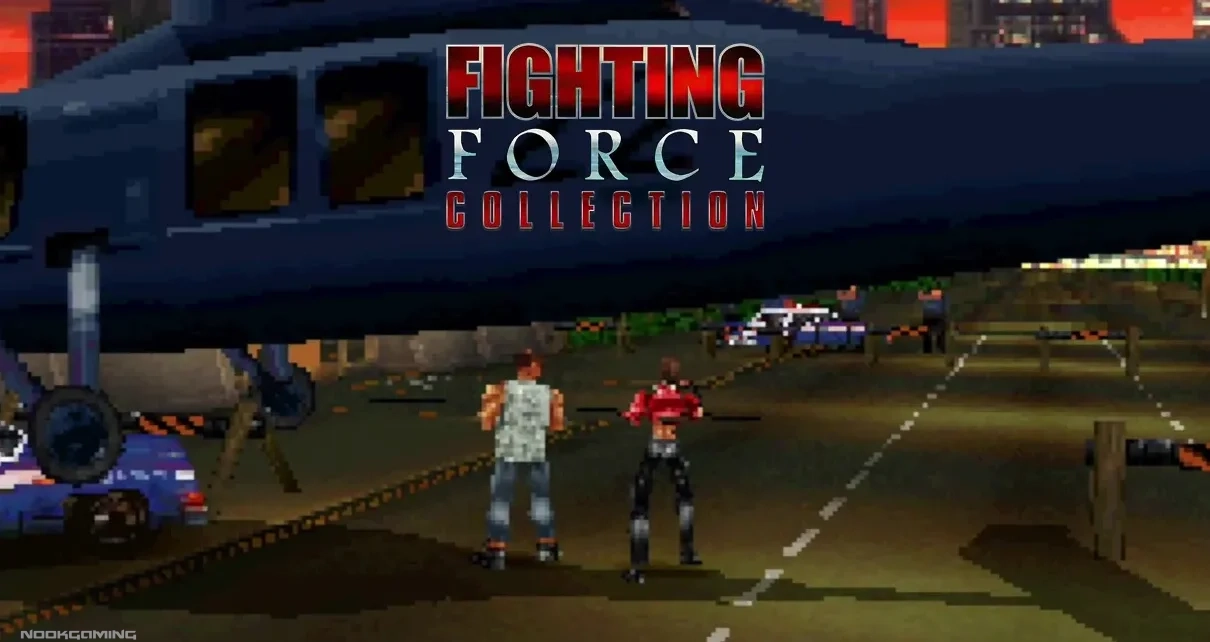
Core Design is a name synonymous with British game design, having worked on such titles as Chuck Rock, Wolfchild, Bubba and Styx, and a franchise I’m sure some of you have heard of called Tomb Raider. They also tried getting their hands on the Streets of Rage franchise before having to switch lanes and create the series we are looking at today: Fighting Force, a duology that fans of the 32-bit era may very well be familiar with. So tie up your boots, ‘cause it’s time to hit the streets in Fighting Force Collection, brought to modern audiences by Implicit Conversions and Limited Run Games.
Party Like It’s 1999
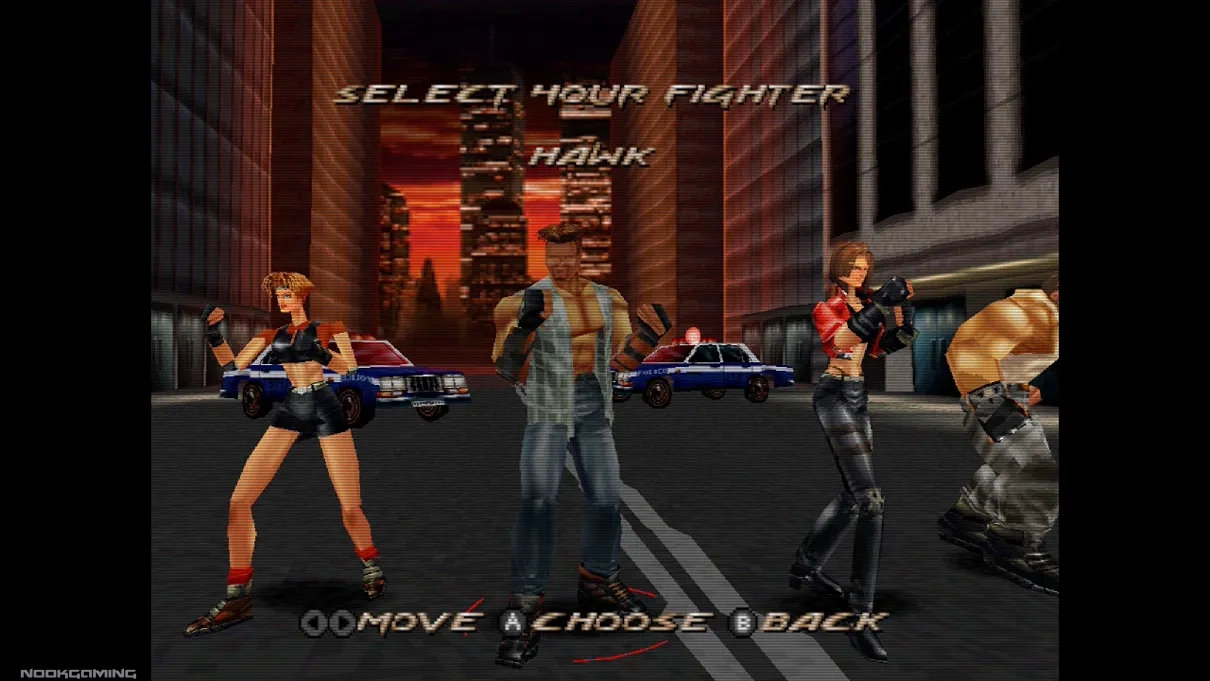
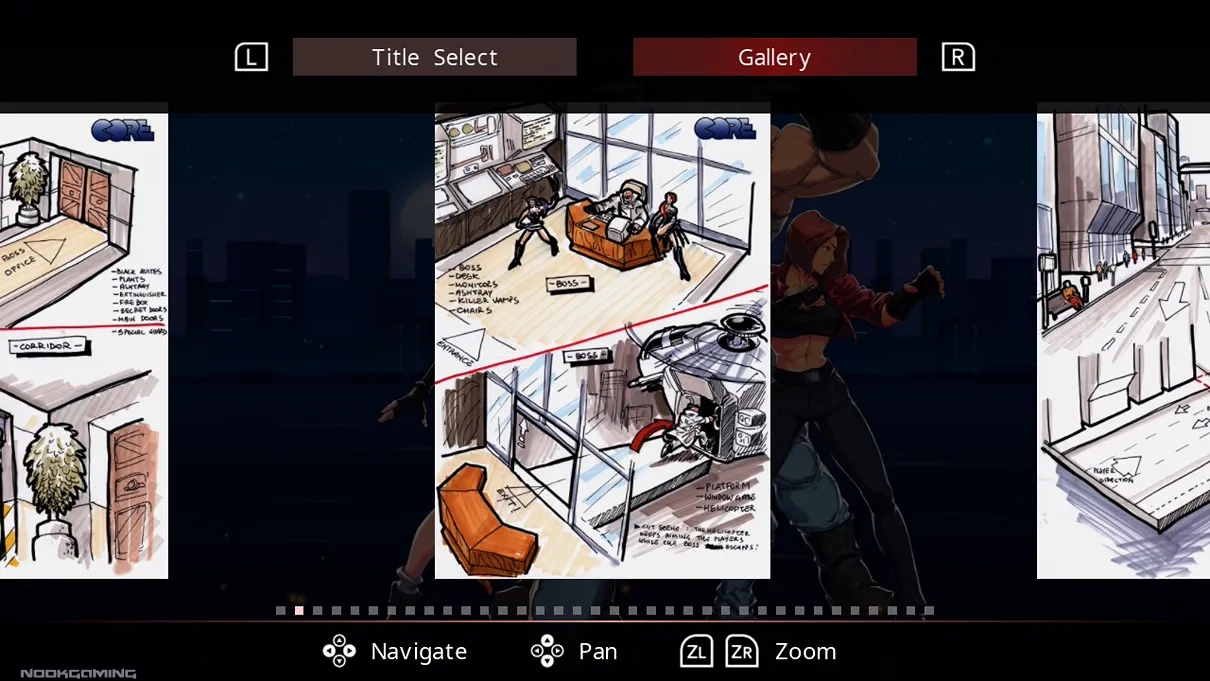
So what does the Fighting Force Collection contain exactly? It comes with both Fighting Force 1 and 2, though sadly, only the PlayStation 1 versions of both. As a fan of robust collections, I would have loved the chance to look at the N64 version of Fighting Force 1, and the Dreamcast version of Fighting Force 2 would have been more appealing for me. I guess I am just spoiled from previous collections, such as Mortal Kombat: Legacy Kollection, which has almost too many versions of the games contained within. Fighting Force Collection thankfully also contains a few quality-of-life features, such as save states, a gallery full of concept art, and the like.
Neither game is particularly well known for their story; Fighting Force 1 came out around the time games were only starting to spread their narrative wings outside of point-and-click, RPGs, or FMV games. It features a very genre-appropriate story in which the evil Dr. Zeng has decided that Y2K should have brought on the apocalypse and has taken matters into his own hands. Hawk, Mace, Smasher, and Alana are the members of Fighting Force who are on hand to dish out street justice to Zeng and his cult-like followers.
Fighting Force 2 really felt like a knee-jerk reaction to the titles I previously mentioned. It takes a different approach and tackles a corrupt corporation that has decided to ignore an international treaty involving human cloning. Hawk, being the multipurpose secret agent that he is, is tasked with bringing this corporation down. It emulates some popular titles of the time like Metal Gear Solid and Syphon Filter, but with less depth, resulting in a far from memorable story across the board.
Both are pretty par for the course with the genre, but the lack of care and forethought for the sequel really paints the title as something of a cash-in for the time.
Does it Pack a Punch?
So, the story isn’t exactly an attraction, but how about the main feature, gameplay?
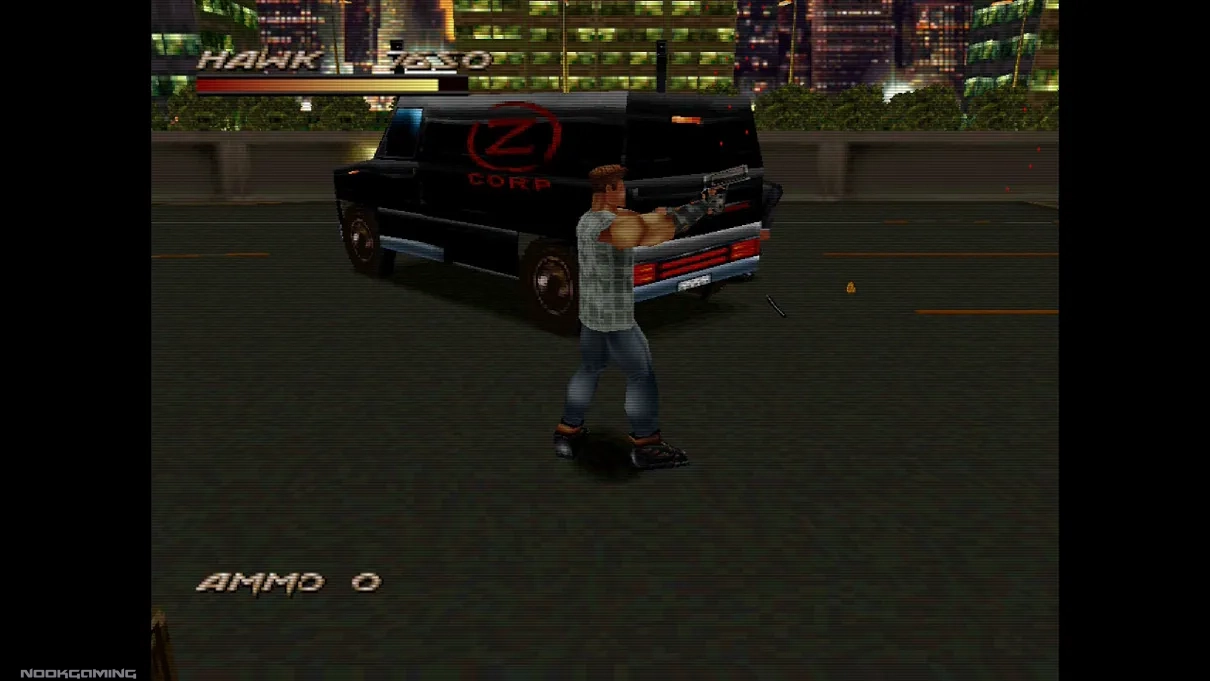
For the uninitiated, Fighting Force 1 is a beat ‘em up and had the honor of being one of the first true 3D titles of the genre. This does come with a number of issues, as you may expect for an earlier title in the genre, with a particularly notable one being that the game’s controls feel incredibly weighty, with quite a bit of lag with button presses creating a rather cumbersome affair when compared to the more celebrated 2D peers of the genre. You can also expect the camera to have a few wild moments where it gets stuck on parts of the level or swings wildly. Fighting Force is a product of its time, and while this isn’t too egregious, there are moments of frustration that come with it.
I won’t completely rain on the game’s parade. There are certainly positive aspects, such as having quite a few branching paths to take, which extend the replayability. The levels are quite interactive and varied, and the run time clocks in at about an hour, which is the sweet spot for the genre. All in all, it’s a fine game for its time, but it isn’t going to win over any new fans. Personally, I enjoyed the game back when it first released and still enjoy it now, but it’s far beyond a polished and perfect product. This new release hasn’t changed anything in terms of controls or balancing either, so there’s not much to entice new players.
Secret Agent Man
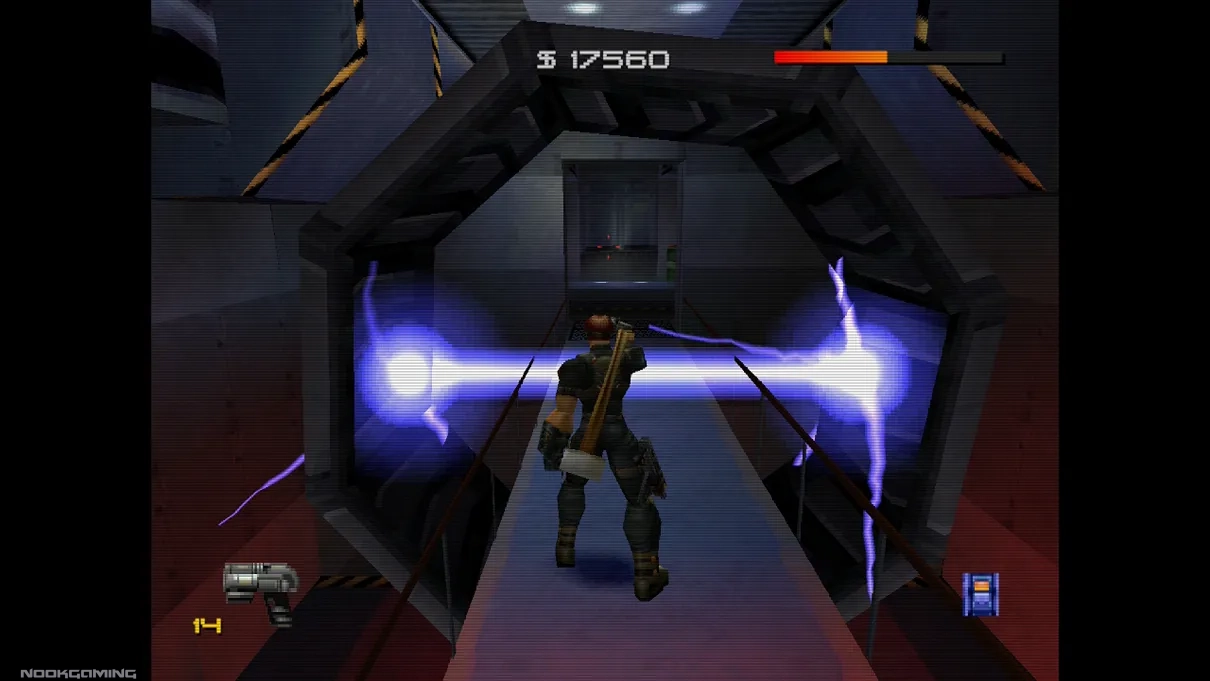
Fighting Force 2 steers hard in a different direction when it comes to gameplay. Instead of a 3D beat ‘em up, it’s a 3D action-adventure game much like the aforementioned Metal Gear Solid and Syphon Filter. In this title, series figurehead Hawk has a vastly improved mobility set while his combat abilities are stripped back. Fortunately for Hawk, the developers also decided to dial up his firearms skill in this one, making it much more of a shooter than a brawler this time around.
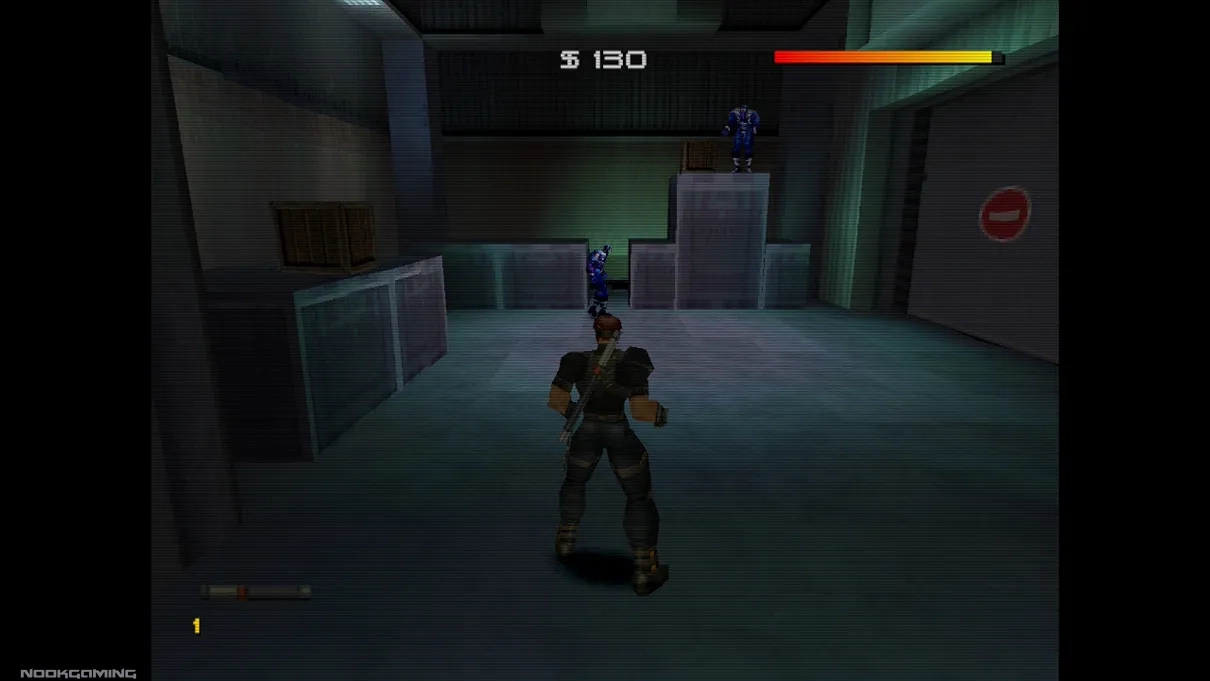
The focus in Fighting Force 2 is on exploration, shooting, and platforming. It lacks the replayability of the prior game in the series, due to the lack of multiple paths and only having one playable character. The level design, while more of an obstacle course for the player, feels much worse due to the majority of stages being set in bland sci-fi-esque labs and warehouses. The combat turns into mostly a shooter, with a pitiful 3-hit combo being your only melee option.
Despite the clunky platforming and changes to the combat, I did find I actually enjoyed my time with Fighting Force 2. It’s a rather forgettable fast-food-style game, but it doesn’t actually do anything really bad; it just stinks of the generic copycat behavior of the time. It feels like a guilty pleasure curiosity rather than an unearthed gem. Perhaps it was a game stifled by budget cuts, a shifting industry, and a rush to release.
Something Old
Graphically, both games are PlayStation 1 titles, and it seems that the bare minimum has been done here to present them to modern gamers. There isn’t an option for HD textures and other modern tweaks as in many other modern re-releases; there’s just been enough done to display the games on bigger, modern screens.
There is a rather healthy gallery of concept art and design documents, which is always worth spending some time in to really get a flavor for the development of these games. That said, a slight nitpick I had with the package is that the menus feel really slapped together rather than being designed for this collection.
The music and sound are fine. The music feels a little crunchier on Fighting Force 2 than it does in 1. Nothing here is really memorable. The type of music suits the genre well, and there are plenty of explosions and hit detection sounds, which is essential for Fighting Force 1, especially, but all in all, nothing in the score is really going to stick with you here. It’s a bit of a shame, especially coming from the team who made so many iconic tracks for the Tomb Raider series.
Verdict
Fighting Force Collection is a curious title. It seems solely aimed at people who enjoyed these titles back when they were released. Neither of them are particular cult classics and while I was happy enough to play both of them again, not enough has been done to bring in a new crowd . I feel the lack of different versions of the games or much in the way of other bonuses really just makes it feel like a bare bones product just thrown out for the few people craving their next retro fix.
If you enjoyed the Fighting Force games back in the day and have a hankering for jumping back in, I would say go for it. But in a market full of retro rereleases, Fighting Force Collection doesn’t even scratch the top dogs of the market. Much like the original releases, there isn’t enough here for it to be a true standout.
WAIT FOR SALE ON FIGHTING FORCE COLLECTION

If you like platformers with a ton of action, you might also want to check out our review of Shinobi: Art of Vengeance.
Many thanks go to Limited Run Games for a Nintendo Switch review code for Fighting Force Collection.
Pride of utopia & greatest thing ever, I found the One Piece, Collected the Dragon Balls & won the Mortal Kombat Tournament in one night, it was quiet for me that night! Follow me on Twitter @powahdunk