Back in 1993, Mortal Monday hit the world and the arcade behemoth Mortal Kombat came to the home console. Now, over 20 years later, Digital Eclipse and Atari bring us Mortal Kombat: Legacy Kollection, a curated collection celebrating the early years of the gory fighter with titles from the arcade, home, and handheld console releases.
The History of Kombat
As big as Street Fighter is, Mortal Kombat has always had the edge when it comes to the casual audience and multimedia. I would wager that more people are familiar with Scorpion and crew than Ryu and Ken. What a good chunk of the audience wouldn’t be aware of are the fascinating origins of not only Mortal Kombat but the rise of Williams and Midway, the companies behind it.
In the spirit of their Atari 50 and The Making of Karateka releases, Digital Eclipse has created an interactive documentary within Mortal Kombat: Legacy Kollection. You can find a plethora of materials ranging from artwork and documents, behind-the-scenes pictures, and interviews both old and new with members of the team who worked Mortal Kombat. If you ever wanted to hear the thoughts of not only Ed Boon, John Tobias, and Dan Fogle, but also members of the Mortal Kombat fighting game community such as Ketchup & Mustard, this is your chance.
This was the part of the title I was most excited for. As a ’90s child who lived through the glory days of Mortal Kombat vs Street Fighter, it was such a fascinating look into how Mortal Kombat escaped just being a Street Fighter clone and violently carved its own piece of the fighting game cake. Starting with the story of Ed and John meeting at Williams and the game’s origins in titles like Smash TV, I found myself captivated throughout the interactive timeline. It’s an essential watch for fans not only of Mortal Kombat but also of video games and their history.
Gather Your Khampions
Now, what good would a collection be if it didn’t have a bunch of games to go along with such an in-depth documentary? Digital Eclipse also has that covered and has technically included 23 different titles from the series from the first Mortal Kombat up until Mortal Kombat 4. While this sounds like quite a lot, there is the caveat that a bulk of them are variants from various consoles; you can find these within the collection:
- Mortal Kombat – Arcade, SNES, Mega Drive/Genesis, Gameboy & Game Gear
- Mortal Kombat II – Arcade, SNES, Mega Drive/Genesis, 32X & Gameboy
- Mortal Kombat III – Arcade, SNES, Mega Drive/Genesis
- Ultimate Mortal Kombat III – Arcade & SNES
- Ultimate Mortal Kombat III (Wave Net) – Arcade
- Mortal Kombat Trilogy – PlayStation
- Mortal Kombat Mythologies: Sub-Zero – PlayStation
- Mortal Kombat: Special Forces – PlayStation
- Mortal Kombat 4 – Arcade
- Mortal Kombat Advance – Gameboy Advance
- Mortal Kombat: Deadly Alliance – Gameboy Advance
- Mortal Kombat: Tournament Edition – Gameboy Advance
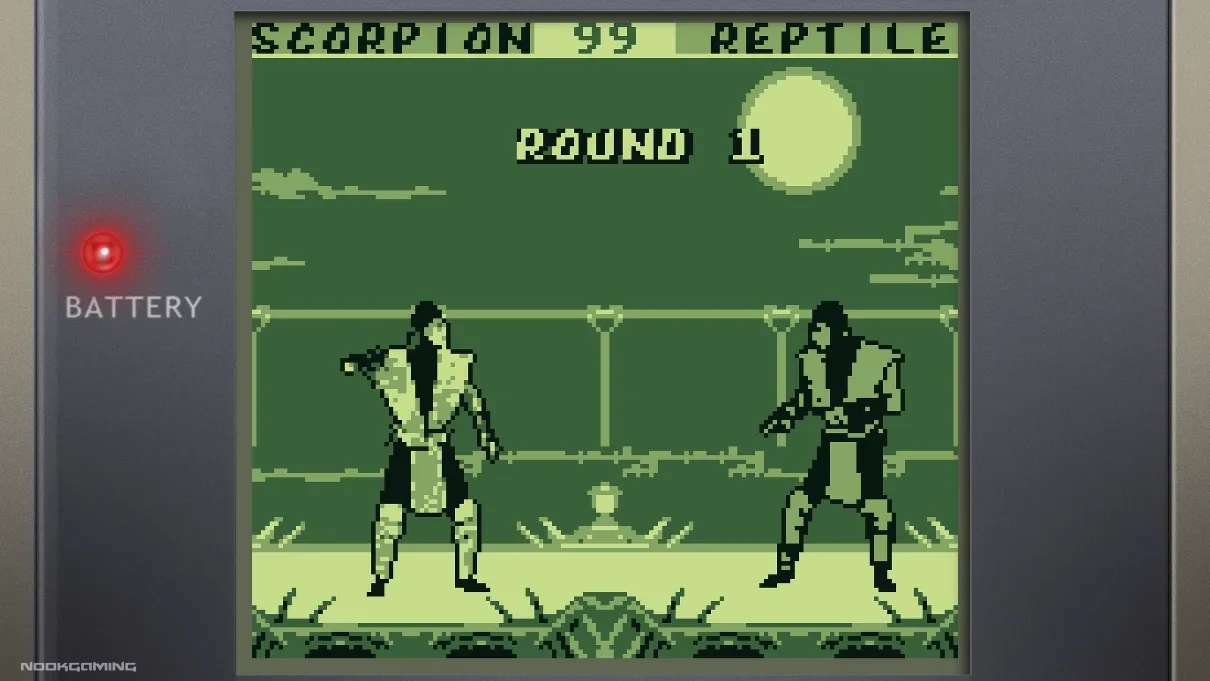
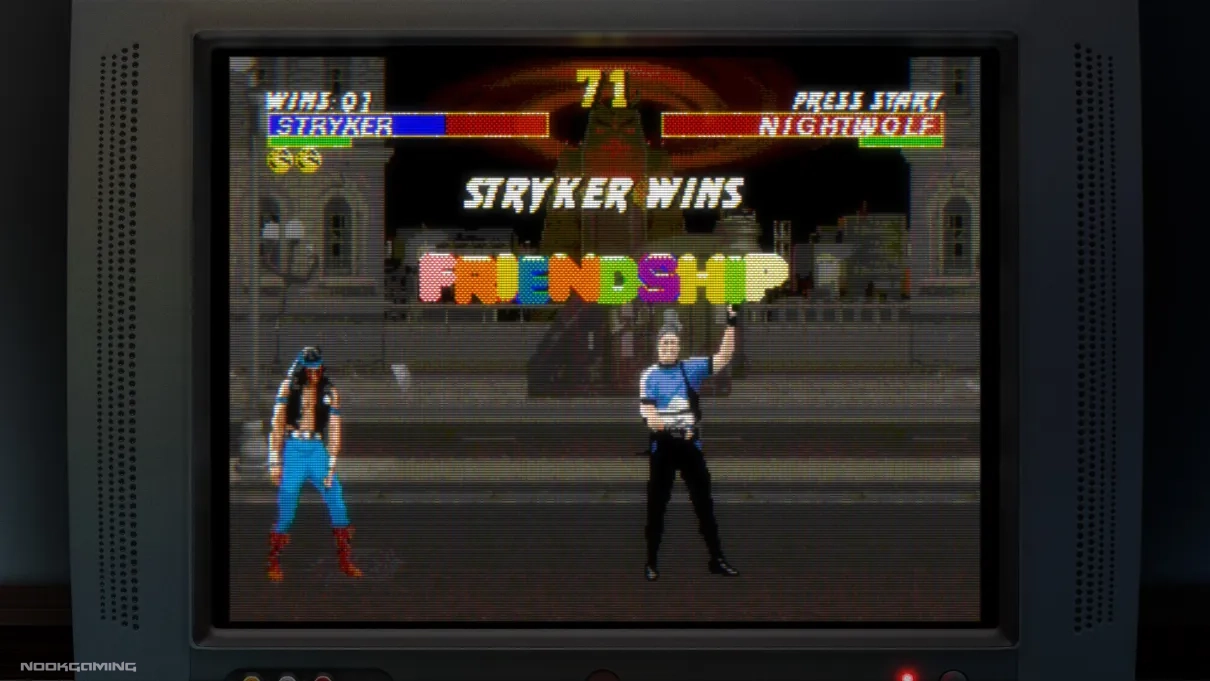
There are plenty of different ports of the games, a feature of this collection that heavily leans into the nostalgia of gamers for the time. I know when I was growing up, I only had access to the Mega Drive/Genesis and SNES versions of the games, along with the occasional trip to play the arcade version. It was fantastic to go back and see how these home console ports actually stood up compared to the Arcade releases. Now, I can spend enough time to really appreciate the differences between versions.
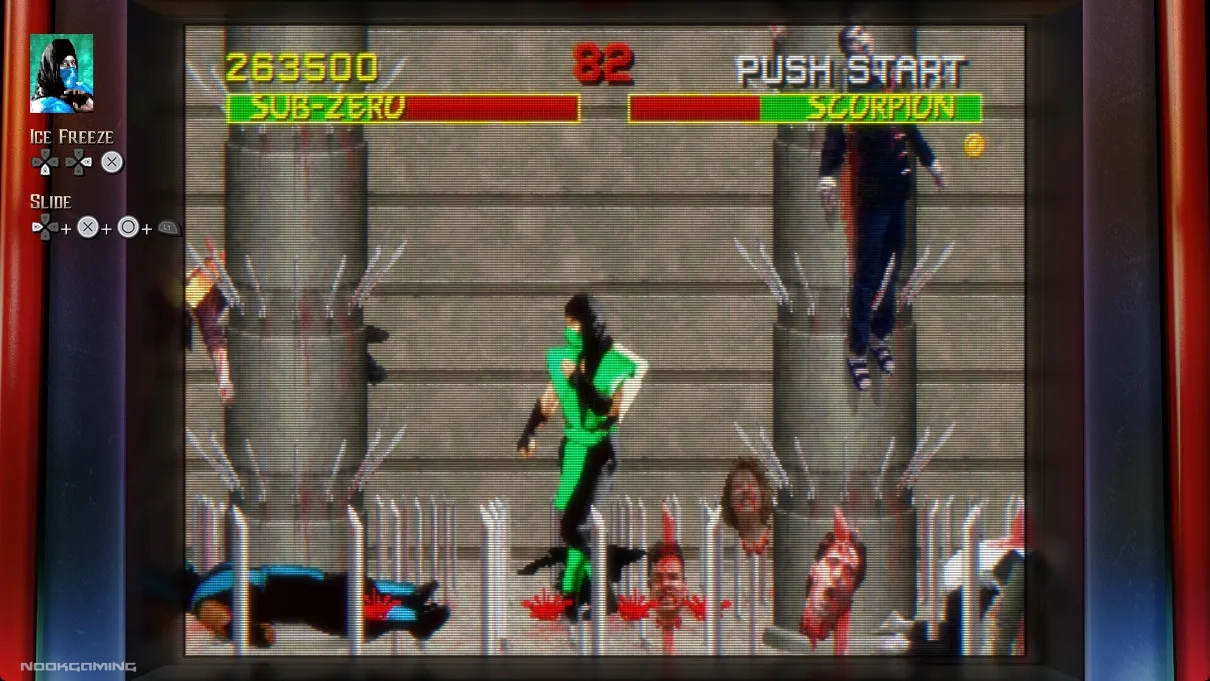
For example, the Arcade version is visually fantastic and controls are really responsive, but it has that nasty arcade AI that tends to button read you and cheat to keep you putting credits in. I tried the SNES version after that and was met with a ridiculous amount of lag with my inputs, compromised visuals, missing animations, and a distinct lack of blood, but some really good music in exchange. The Mega Drive version on the other hand had blood and felt much more responsive, but had some really iffy sound effects and music.
The above is the exact reason why so many versions of the games have been included. I feel every version of the game has something different to offer, be it nostalgia or something unique to that title such as Goro being playable in the Game Boy version. For Mortal Kombat fans, there is so much here to explore and discover with the titles that it makes it worth spending time with every title and version of the games to see the franchise’s ups and downs.
Enhancements Have Been Made
Ultimate Mortal Kombat III (Wave Net) was a surprising inclusion and a piece of what was thought to be lost media. It’s Ultimate Mortal Kombat III, but with the ability to fight people in other arcades across the country using a T1 line (a dedicated high-speed Internet line). While this might not seem impressive now, back in the day, it was high tech and only available in a handful of arcades in a very limited area. It is also the only version of the game where Noob Saibot is playable.
This leads me into the work Digital Eclipse has done with all the titles in the Mortal Kombat: Legacy Kollection. Rather than just straight-up porting the titles over, they have opened the hoods of the games and given gamers the premium treatment with these titles. For example, In Ultimate Mortal Kombat III (Wave Net) they fixed the Noob Saibot character to work properly, as he was in a beta state on release. As well as that, Mortal Kombat Trilogy no longer has those pesky loading issues it had whenever Shang Tsung transformed, making it a much smoother experience for all.

The developers have also given gamers the option to unlock any of the secrets instantly with an in-game menu, meaning that regardless of skill or luck, you can fight Reptile in Mortal Kombat, Jade, Smoke, or Noob in Mortal Kombat II, and so on and so forth. They have also given gamers easy access to alternative costumes in Mortal Kombat 4 and playable characters in almost all of the games. They’ve even added various cheats to Mortal Kombat: Mythologies and Special Forces to make them much more playable experiences. The former has quite a crippling difficulty throughout, so this is particularly helpful.
You can also find modern options in Mortal Kombat: Legacy Kollection, such as a save state feature. This will no doubt help you negate the difficulty of the games. There’s also a rewind feature, which I have no shame in saying I used quite a bit in Mortal Kombat Mythologies: Sub-Zero. It famously has quite a few instant death sections; platforming using Mortal Kombat controls and pixel-perfect jumps really wasn’t the best idea!
Online Krime
There is the option to play some of these games online against other people, and this is a major point of contention with this title. While this is a fantastic collection of titles absolutely oozing with history, as an online competitive title, it drops the ball big time.
First of all, there are no online lobbies or any way to invite friends to play against you; if you want to play someone you know, you have to enter matchmaking at the same time and pray you come up against each other. At the moment, your only option is “Quick Play” through Lobbies. Despite the promise that other online features are coming in later patches, it’s puzzling how they made the decision to ship the title with such barebones online multiplayer. On top of that, there are input and sound issues when playing online, making it feel and sound like you’re playing these games underwater.
Another major issue with the collection is that too many of the games are playable online. While this sounds good on its face, there’s a lack of crossplay with other platforms and an already small player base. A tiny number of players end up split across too many titles, which results in difficulty finding people online. I know it sounds odd to say that too many titles are playable online ,but did we really need the SNES, Mega Drive and Arcade versions of Mortal Kombat 1 all playable? With the current lack of lobbies and online features, you’ll spend so much time jumping between titles trying to find matches, an issue which could have easily been mitigated if they only left the arcade ports playable.
Noob Saibot Backwards
Graphics are authentic to the original games for the most part, with little work done in terms of additional textures and the like. This does mean that you will need to mess around when it comes to the Game Boy titles to make them actually visible on modern TVs. The franchise has always had a unique style, and this title allows you to see how the art direction evolved from heavily leaning on ’80s Martial Arts films to the style it has in modern day.
There are many different visual options to tweak to get the games looking as authentic or modern as you want, scanlines and all. Mortal Kombat 4 has an option to really smooth out the character models, making the game look outstanding too. Each game is fully tweakable to get it looking exactly how you want.
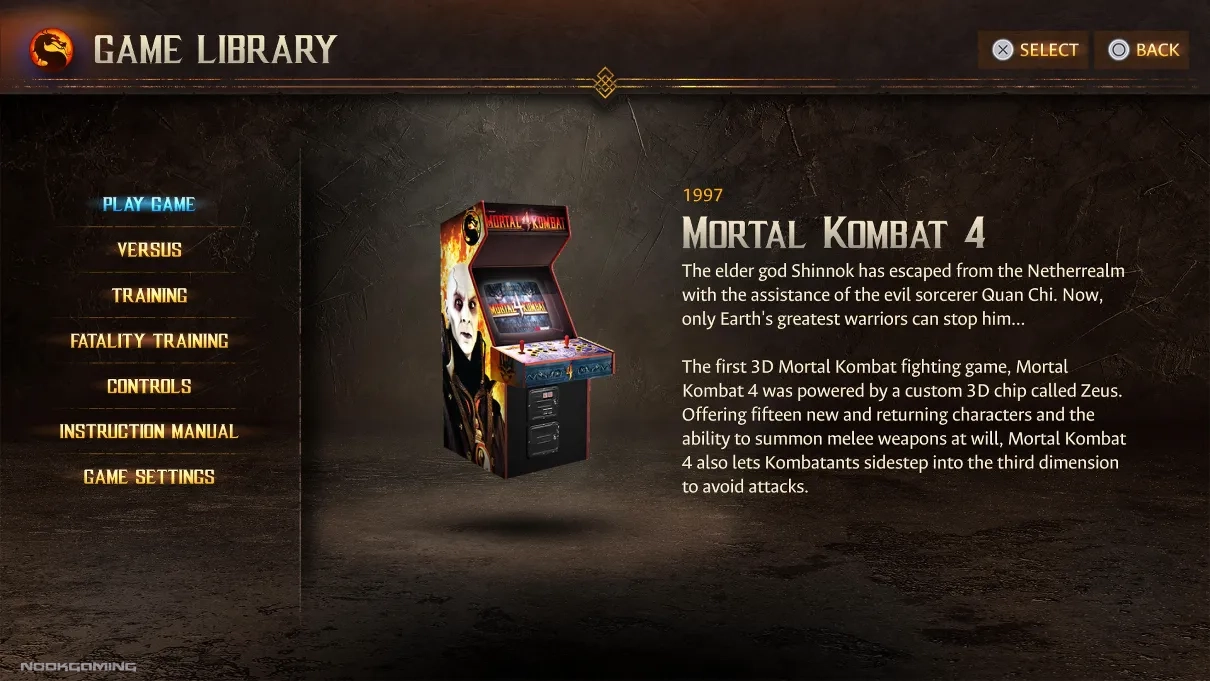
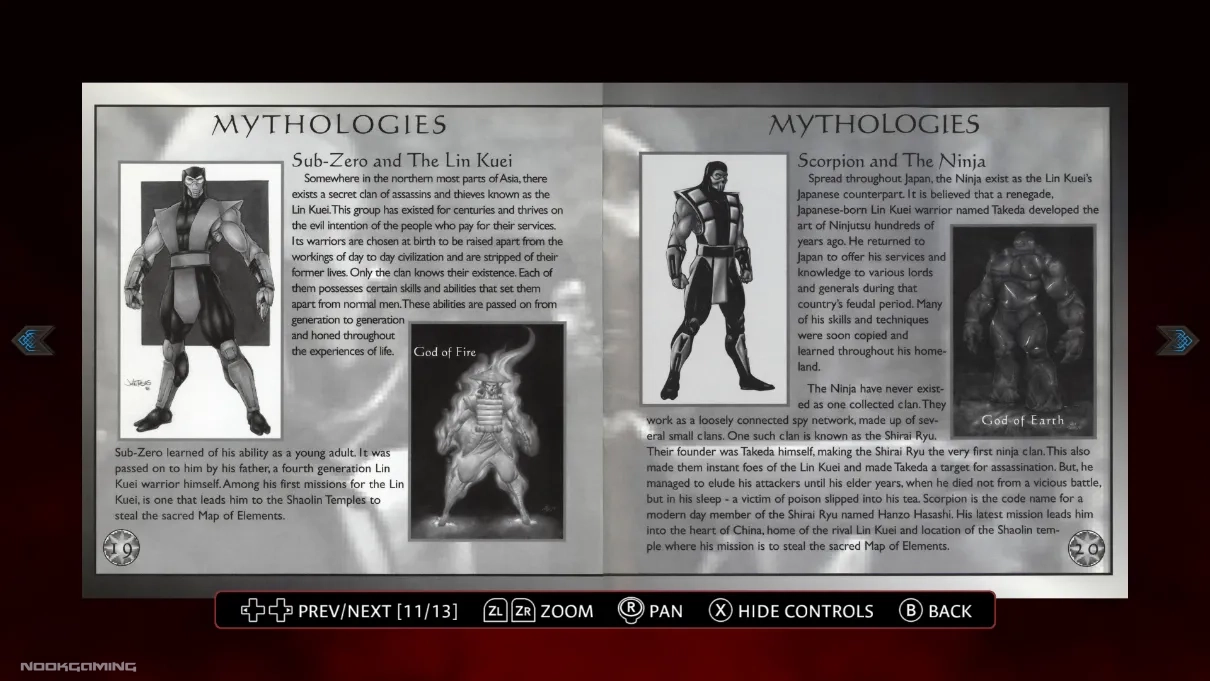
On the topic of graphics, you can also find 3D models of the arcade cabinets as an extra. These are accompanied by character bios to read, all the instruction booklets to sift through, and music from all the games to listen to while working through the gallery. Digital Eclipse plans to add more content to the “Krypt” in a future patch, which is something I am very excited to see. What is on offer here is already an amazing insight into the history of the franchise.

Verdict
As a collection of iconic titles through the early years of Mortal Kombat, Mortal Kombat: Legacy Kollection is a great package. It has some curious omissions such as Mortal Kombat Gold or Digital Eclipse’s own Gameboy Color port of Mortal Kombat 4, but all in all, there is enough here for any fan or curious fighter to get stuck into and find their new or old favorite death match.
As an online competitive fighter, it’s an unacceptable release. The lack of basic features such as lobbies and crossplay really hampers what could have been the definitive way to play these titles. As it stands, it may be the only way to play most of these online with other people, but it’s a far cry from what fans of the franchise wanted.
Mortal Kombat: Legacy Kollection as a Kollection is great, well worth the asking price and time for any fans of the legendary tournament. With patches in the horizon, I can only hope this game ends up a true champion, but if you don’t have much of an interest in the history or preservation of the series, it comes off as a chump.
MORTAL KOMBAT: LEGACY KOLLECTION IS RECOMMENDED

If you like blasts from the past in fighting games, check out our review of Capcom Fighting Collection 2! If you’re interested in reading about other Mortal Kombat titles, check out our review of Mortal Kombat 1: Khaos Reigns!
Many thanks go to Digital Eclipse for a Nintendo Switch 2 review code for Mortal Kombat: Legacy Kollection.
Pride of utopia & greatest thing ever, I found the One Piece, Collected the Dragon Balls & won the Mortal Kombat Tournament in one night, it was quiet for me that night! Follow me on Twitter @powahdunk