Goro Majima takes the helm in Like a Dragon: Pirate Yakuza in Hawaii, a spin-off game that directly follows the events of Like a Dragon: Infinite Wealth.
This review avoids spoilers for the previous Yakuza/Like a Dragon games as much as possible, but does assume a degree of knowledge of the series due to its nature as a spin-off and sequel.
Washing Ashore
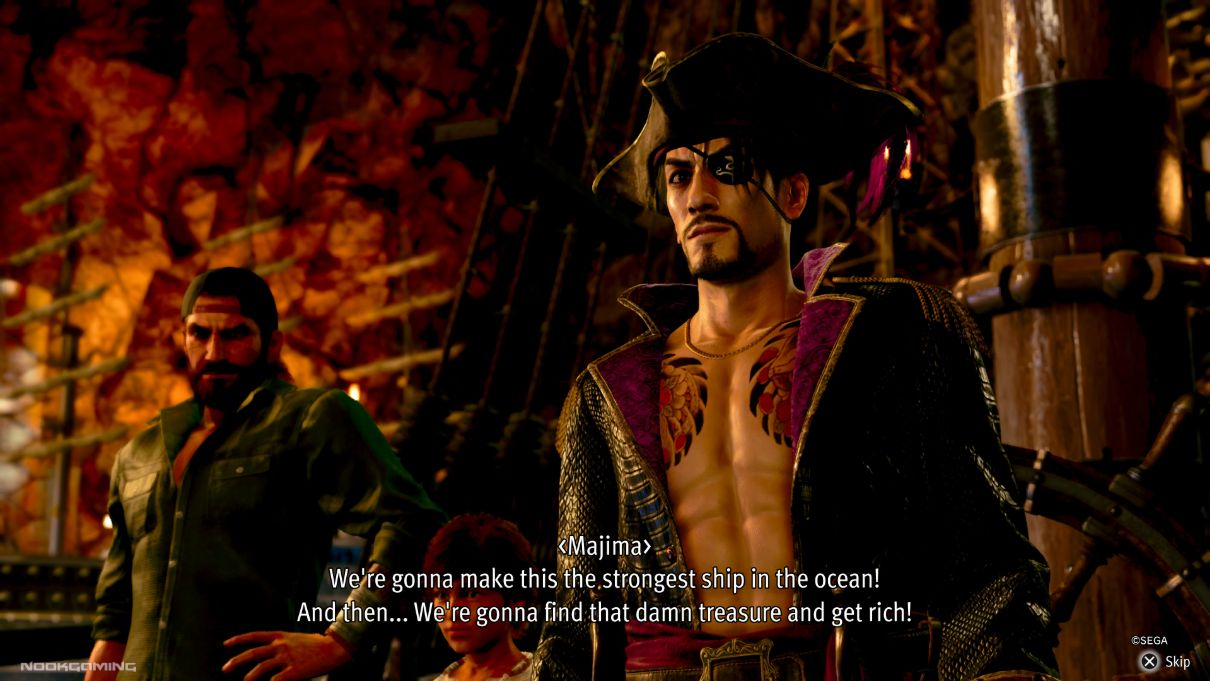
Like a Dragon: Pirate Yakuza in Hawaii opens with Goro Majima washing up on an island in the Hawaiian archipelago, having lost his memories. He’s saved by a young boy called Noah, who is sick of island life and wants to see what’s out there.
This gives Majima a blank slate, freeing him up for his own adventure. But it’s soon made clear that the events of Like a Dragon: Infinite Wealth are key to the story. Several of the big reveals are recapped and Pirate Yakuza in Hawaii works as a follow-up on the fallout from the decisions made or structures that were torn apart. This is definitely not the place to jump into the series.
Before it gets into the more serious elements, it introduces the idea that many of the local criminals are pirate imitators, dressing up as pirates, using old weaponry (though we do unlock some absurd stuff later on), and sailing. There’s even a local base where they compete in ship battles for sport. It feels even less serious than typical for the Yakuza/Like a Dragon series, but as it’s a spin-off, it never feels like this is a problem. It’s a fun idea and leads into what you might expect from a pirate story—a search for a lost treasure with plenty of allies, enemies, and shifting alliances along the way. That said, while the story is perfectly serviceable and has its good moments, it may not live up to the high expectations set by previous games.
Friendship and Letdowns
Like a Dragon: Pirate Yakuza in Hawaii is a fairly small-scale adventure and this hurts it in some ways. Despite being priced approximately the same as Like a Dragon: Infinite Wealth, it’s about a third as long and does a lot less with its story and characters.
Aside from Majima himself, the other important characters are Noah and his father Jason who is a washed-up former treasure hunter. A lot of the story revolves around their family drama and how Jason’s past associates are related to the current treasure hunt. Unfortunately, I didn’t find either character particularly interesting.
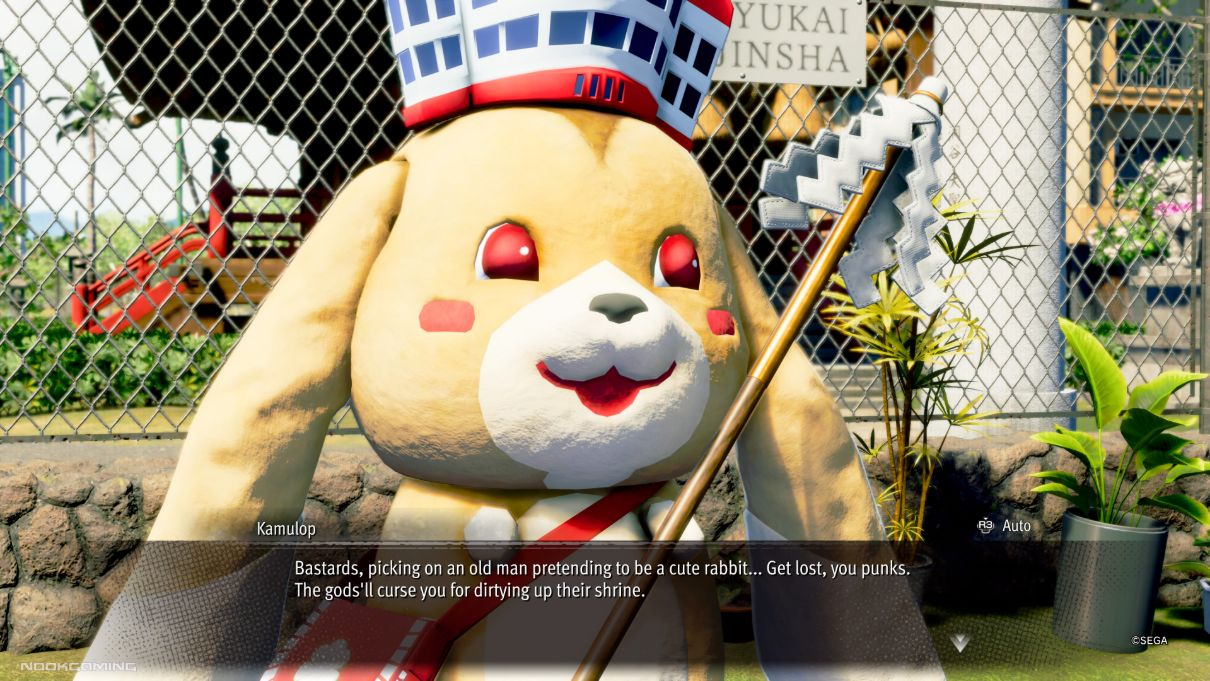
There are other members of the crew who are important to the story, but none of them feel central to it or particularly fleshed out. This wasn’t helped by not having many dialogue events to find in the world for any of the characters, with Noah being the only character to get a reasonable amount of them. Related substories are fairly limited too.
In the recent Like a Dragon games, exploring the stories of party members and connecting with them was an important factor for me. Here however, there’s a lack of an interesting dynamic between them and they’re not particularly captivating. Perhaps this story could’ve done more if there was more room to add further subplots, but perhaps the characters themselves are also just too bland to save. Either way, I just didn’t find myself caring about them by the end.
Exploring the Seas
Luckily, playing Like a Dragon: Pirate Yakuza in Hawaii remains fun primarily due to the gameplay, and this manages to overshadow the somewhat mediocre story.
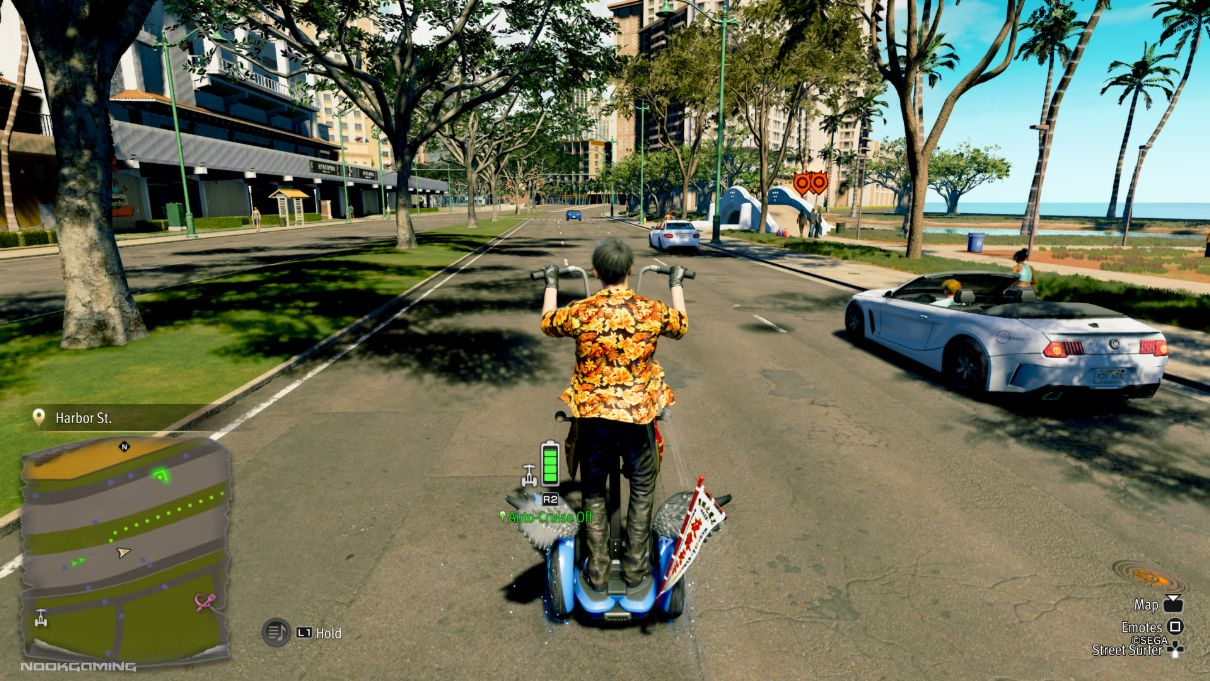
Similarly to Infinite Wealth, Hawaii is used as the main setting to explore, though it does add a few small but important locations. Much of the time is spent wandering around the land, getting attacked by thugs, and finding substories and minigames. As is typical for the series, it’s all too easy to get distracted from the main plot when things open up.
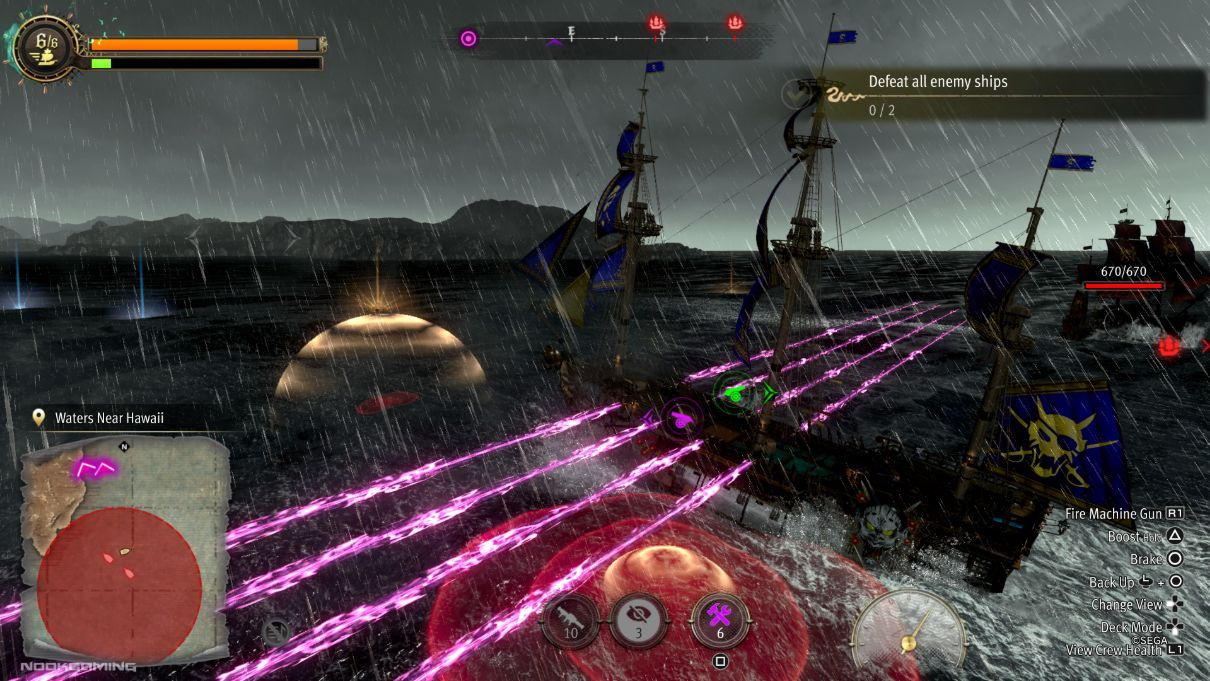
One of the new features is sailing on a pirate ship, which we can customize and upgrade. Sailing can be a little slow at times, but it lets us move between different islands, sometimes running into ship battles which are fun (if fairly simple) with the ability to attack from three points and the need to maneuver around each other to get the right angle. I did find these a little too easy in most cases.
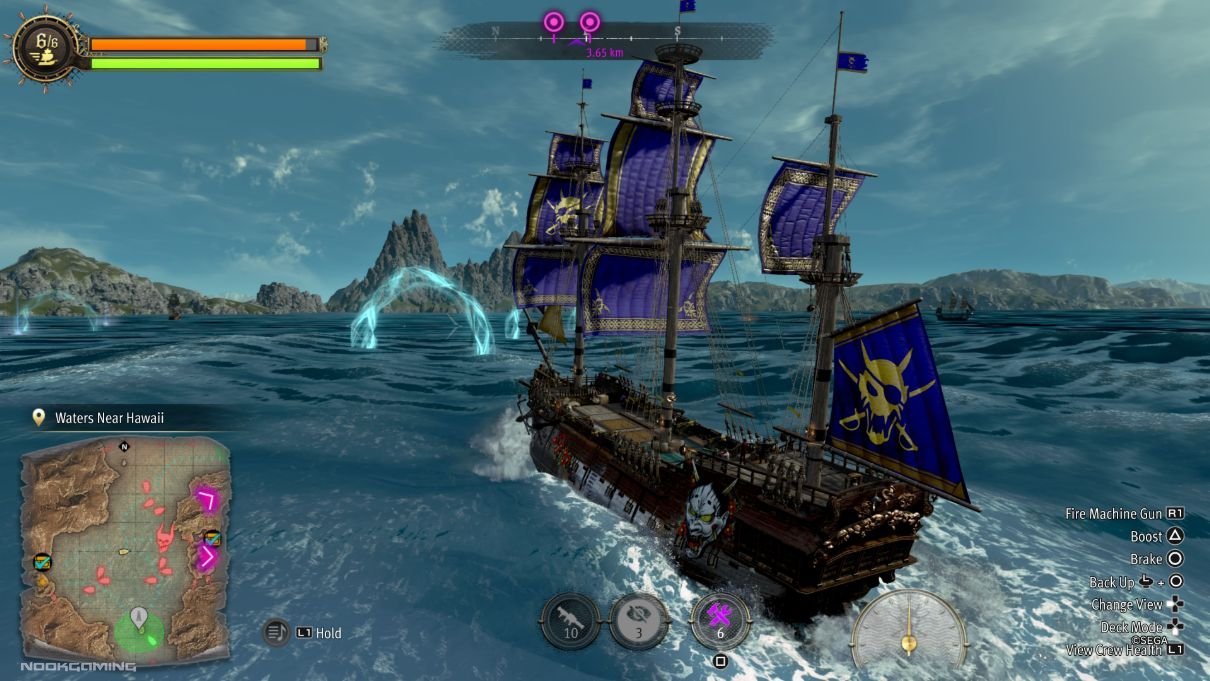
Recruiting crew for this often links into the optional content with them only joining if you complete said optional content or meet certain criteria, though sometimes it’s as simple as just giving them money. There’s plenty of side content generally, with standards like karaoke, darts, and shogi, as well as the extra missions and some new features like rescuing animals to take care of them on the island. This helps to upgrade the ship’s stats and add more fighters for occasions when the battle jumps to a second phase where everyone fights on the deck. I found myself enjoying finding and unlocking the better crew members who could be leveled up further.
There are also islands to visit with treasure, which either lead to an immediate battle or a path with a few enemies along the way. This was fun, but perhaps too repetitive.
Combat and Balancing
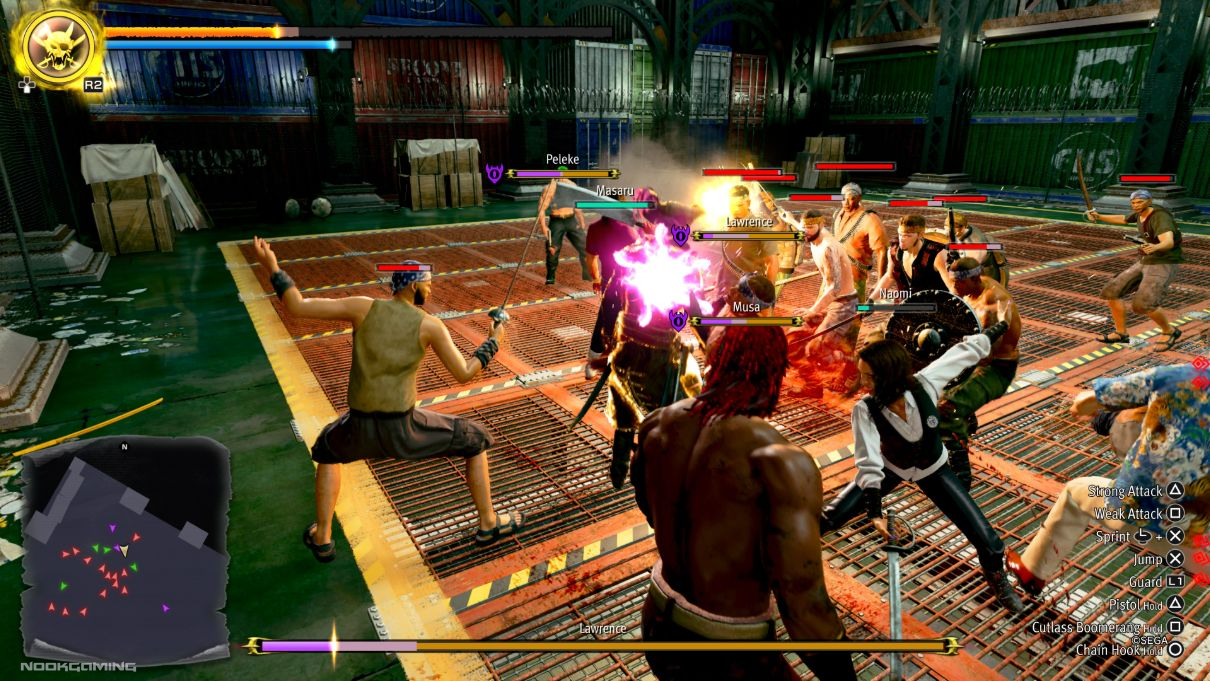
Like a Dragon: Pirate Yakuza in Hawaii returns to using an active combat style in contrast to the turn-based combat in Infinite Wealth and Yakuza: Like a Dragon. Majima can weave through dozens of enemies and allies, delivering a beatdown through combos and unlockable moves.
Two styles are available, Mad Dog and Sea Dog. The former is the most familiar, with a focus on using fists and the ability to pick up nearby objects as weapons. It’s fast and fluid. Sea Dog style uses two cutlasses and a gun, leading to a slower combo but a wider range of attack. It’s possible to switch between these at most points, but it can be frustrating on occasion that cutscenes come up and it automatically switches back to Sea Dog style.
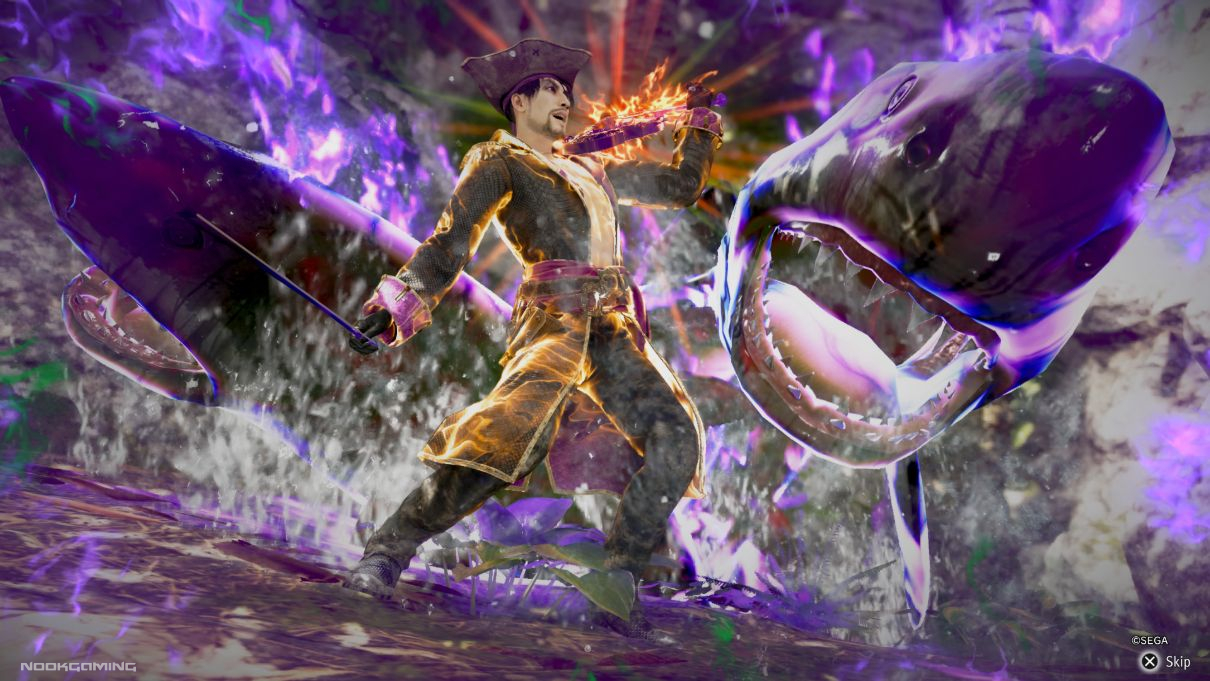
I preferred Mad Dog, particularly due to enjoying faster combat speed, and I also found opportunities to perform the big heat action attacks popping up more often with it. Both styles were fun to use however and worked better against different enemies.
There are plenty of new moves to unlock, with one set in particular being locked behind a rather lengthy quest around hunting down a certain band of pirates.
One issue I did find was balancing, more so than in other Yakuza/Like a Dragon titles. Like a Dragon: Pirate Yakuza in Hawaii at times jumped between incredibly easy and somewhat challenging. It didn’t help that some of the optional content was very rewarding and allowed for the unlock of powerful abilities such as increasing health and attack to high levels early on, despite a lack of challenge in the optional content itself.

Sound of the Sea
English, Japanese, and Chinese dialogue options are available in Like a Dragon: Pirate Yakuza in Hawaii. The Japanese dub was excellent as normal for the series and the English sounded good too. As with Infinite Wealth, even in the Japanese dub you’ll hear some English due to the setting.
Verdict
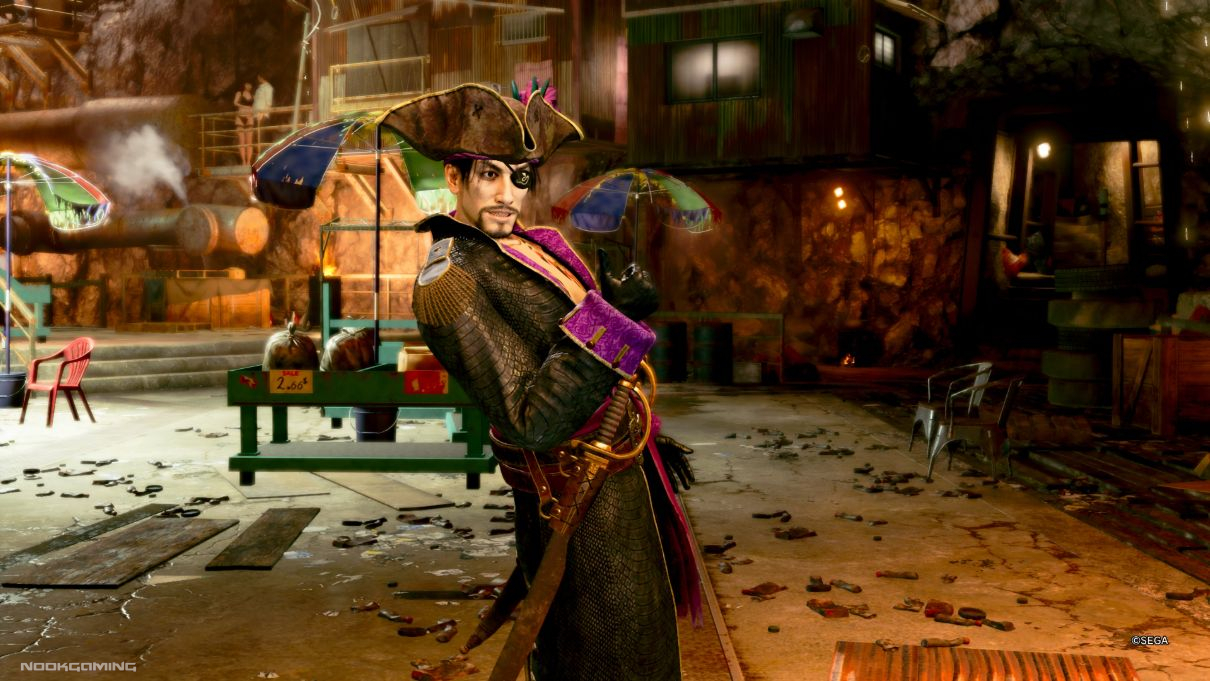
Like a Dragon: Pirate Yakuza in Hawaii is a great game, if one that doesn’t live up to those that came before it. It’s the same as several of its predecessors in many ways and can be incredibly fun at times as a result, but it falls down on certain new or unique elements. If you enjoyed Yakuza: Like a Dragon and Like a Dragon: Infinite Wealth for their gameplay or want to see what happens after the events of those stories, then you’ll likely enjoy this.
LIKE A DRAGON: PIRATE YAKUZA IN HAWAII IS RECOMMENDED

If you enjoy Yakuza games, perhaps you’d like to take a look at the spin-off series, Judgment.
Many thanks goes to SEGA for a PlayStation 5 review code for Like a Dragon: Pirate Yakuza in Hawaii.

A gamer since the days of Amstrad and DOS and someone who has dabbled in a variety of professions. He enjoys a wide variety of genres, but has been focusing on visual novels and virtual reality in recent years. Head Editor of NookGaming. Follow him and the website on @NookSite.