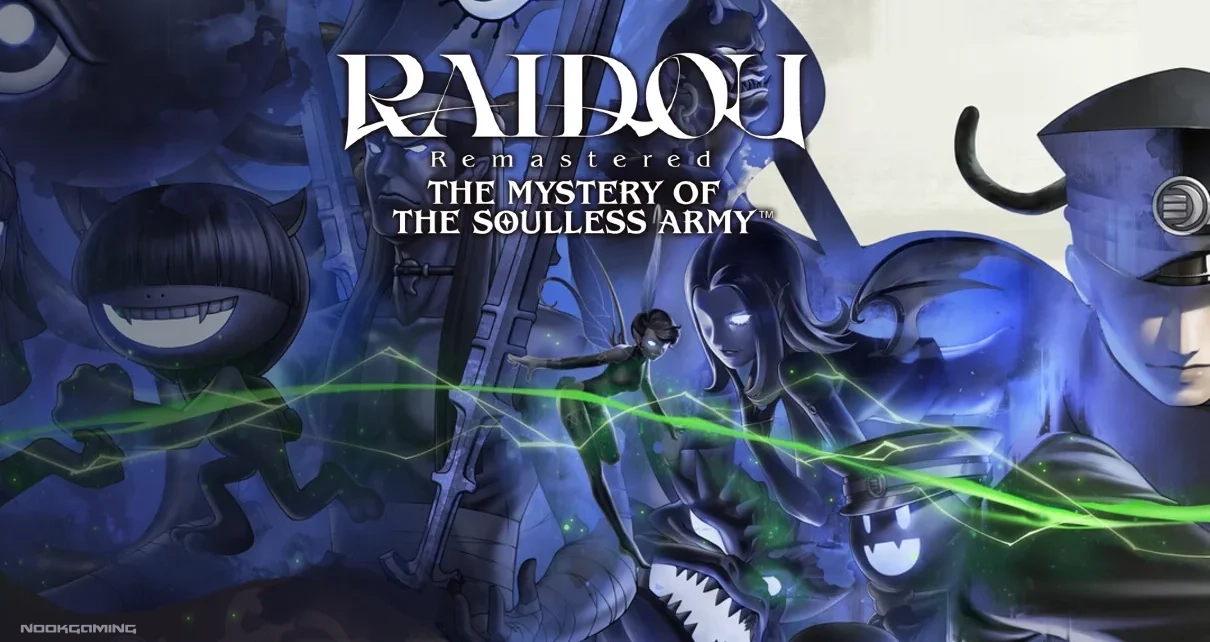
Released way back in 2006 for the PS2, Devil Summoner: Raidou Kuzunoha vs. The Soulless Army was one of the exceptionally rare Action RPGs by developer Atlus. As a spinoff to the broader Shin Megami Tensei series, it followed the exploits of the Raidou, whom some might recognize for his appearance in some versions of Shin Megami Tensei III: Nocturne. Since then, his original game received a sequel and he’s made scattershot cameos throughout Atlus’ history. Twenty years removed from that first outing, a sweeping upgrade has landed in the form of Raidou Remastered: The Mystery of the Soulless Army.
Featuring Raidou Kuzunoha from the Devil Summoner Series
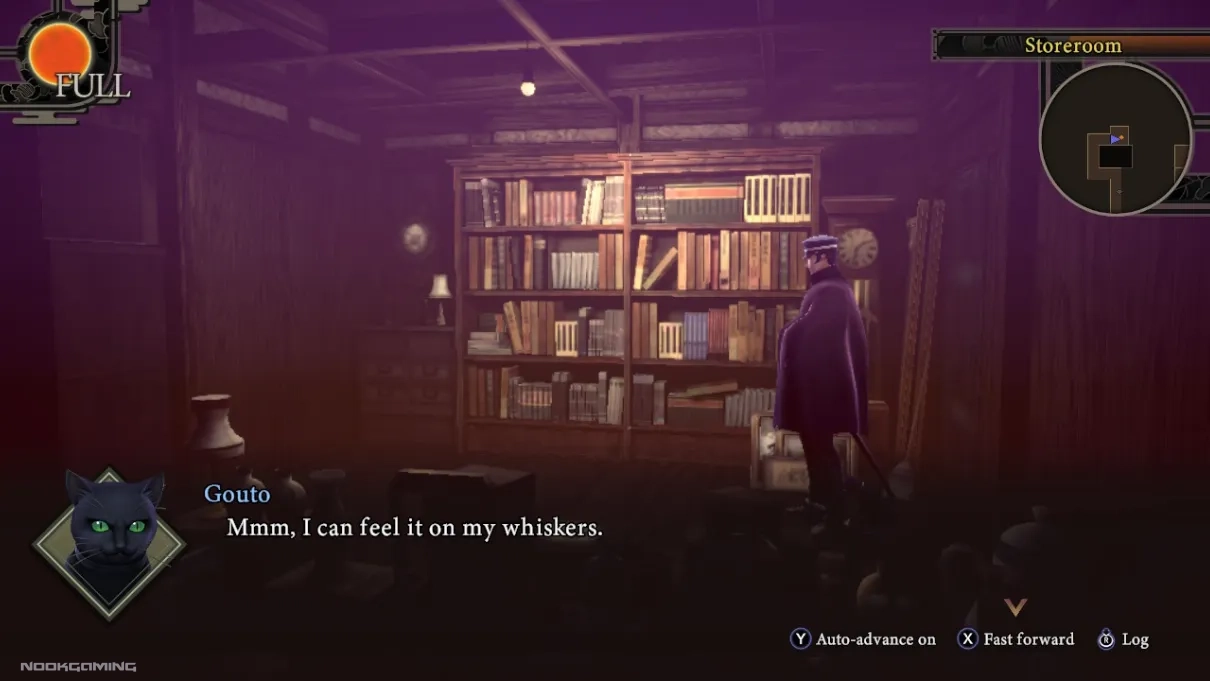
Japan is changing, and society is steadily allowing demons and religions to fall to the wayside in order to embrace something more modern. Of course, these things are very much real even if Japan has chosen to forget about them, but that’s where Devil Summoners come in. Devil Summoners, such as you yourself, are sworn protectors of society, keeping demons at bay from the shadow. After a final test to prove your mettle, you cast off your old name, becoming the fourteenth in a long line of protectors named Raidou Kuzunoha. Accompanied by a “talking cat” named Gouto, you blend in with daily life, working from the shadows to catch demons unawares before they can cause tragedies.
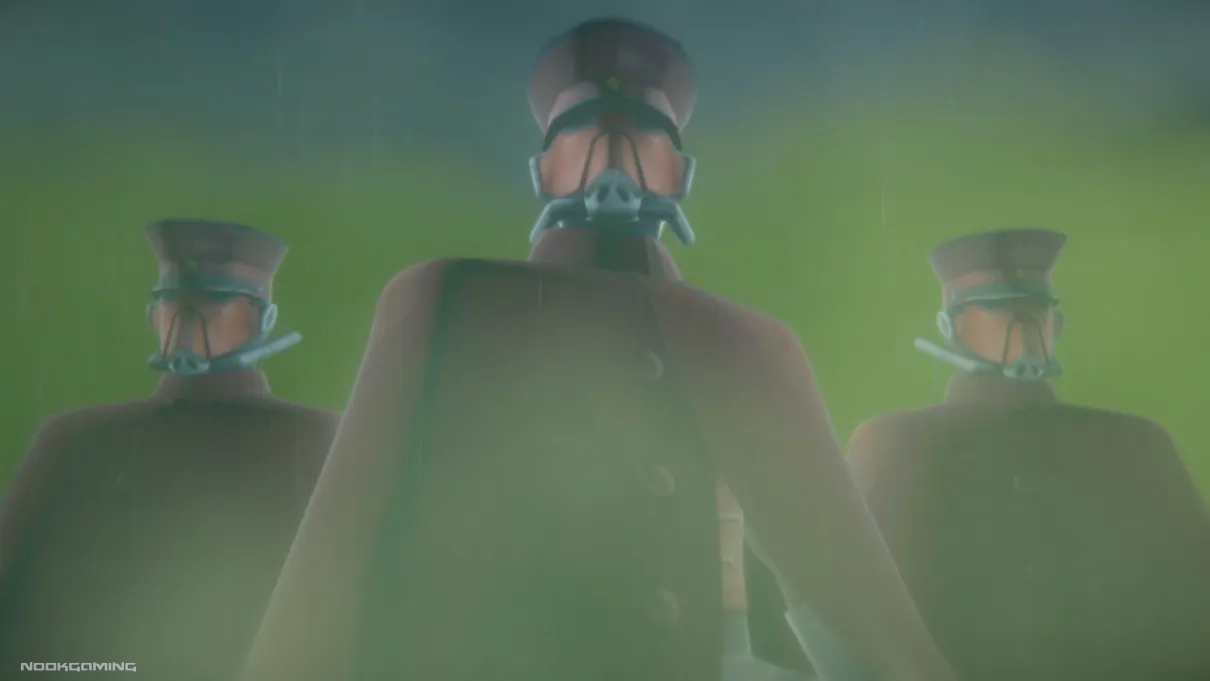
These days continue for a time, as you work to maintain the facade of a schoolboy while defeating demons. This is until a strange call is received from a schoolgirl named Kaya Daidouji, of the esteemed Daidouji family. Meeting her causes a chance encounter with the titular Soulless Army, a group of cyborg-like entities hiding in the shadows in pursuit of a particular goal involving Kaya. After utterly thrashing Raidou and kidnapping Saya, the story truly kicks off as you slowly work to uncover just what in the world is going on.
I’ll say it—this story is bonkers. One might say it’s even pretty unhinged, even for Atlus’s standards at the time. Due to its shorter-than-expected runtime, I can’t go into too many details without going into spoiler territory, but this is exactly the sort of game I would expect a “Shin Megami Tensei meets Columbo” story to be. The twists are sensible and it leaves enough breadcrumbs for the player to catch on to certain things, but it’s how far the game tends to go with these twists that really surprises me. While Raidou is a mute protagonist in typical Atlus fashion, I think that was the right call here considering just how loud and colorful the rest of the cast is.
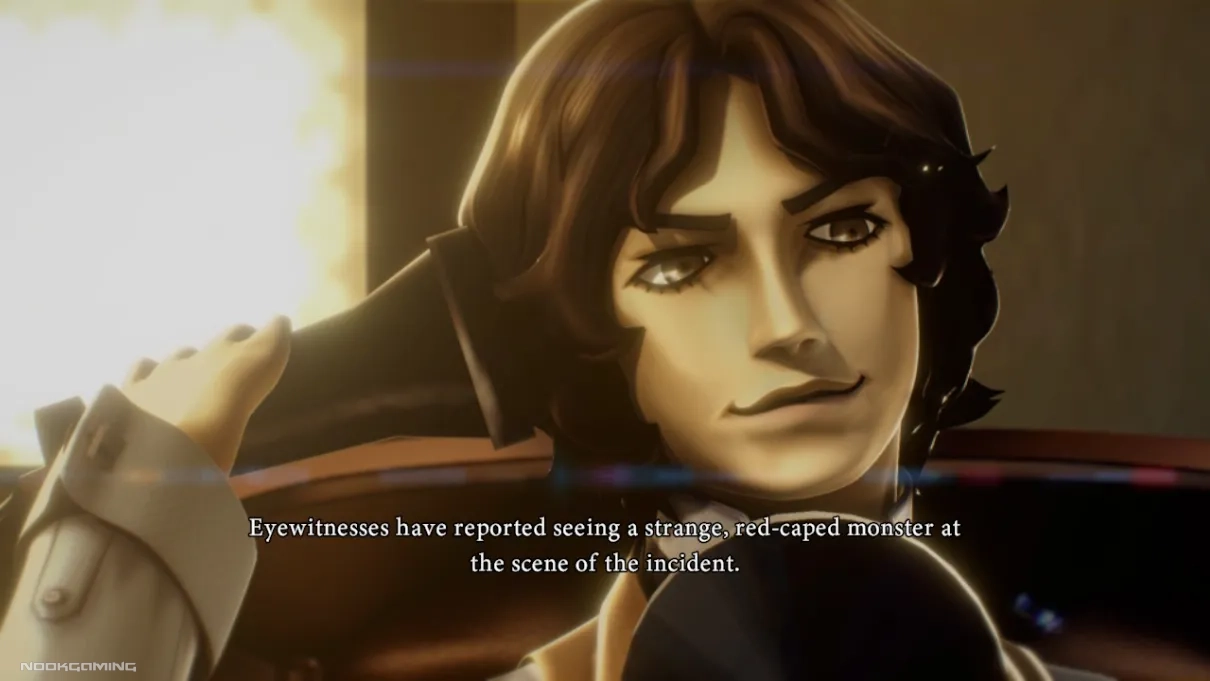
Some things to note on how the story has changed from the PS2 is the way certain things are arranged. While the text proper is mostly faithful, and you will be getting the same general story as before, what’s adjusted is the storytelling. There are some moments not in the PS2 version where the game will cut to a future event to get the player excited on what’s to come. While these are often presented without context, I think it’s a little misguided since the game already did a good job holding my interest without these moments. Atlus has a poor habit of spoiling the super interesting bits of their stories well before its time to reveal them, and unfortunately Raidou Remastered continues that trend.
“Oh, And Just One More Thing…”
A good amount of Raidou Remastered: The Mystery of the Soulless Army’s storytelling is placed squarely in optional dialogues and flavor text. Normal for an SMT game, but I was delighted at how much I enjoyed it, thanks partly to both the recurring cast of Tokyo and the one-off interactions with demons and humans alike. The game handles its tone really well, taking on an atmosphere similar to many noir films from the 70s and 80s. Given this is part-mystery and part-Action RPG, this was absolutely the right call, I feel. The end result is a game that is more emotionally subdued and less in-your-face about the state of things, which is a remarkable contrast to the kinds of stories Atlus tends to create nowadays.
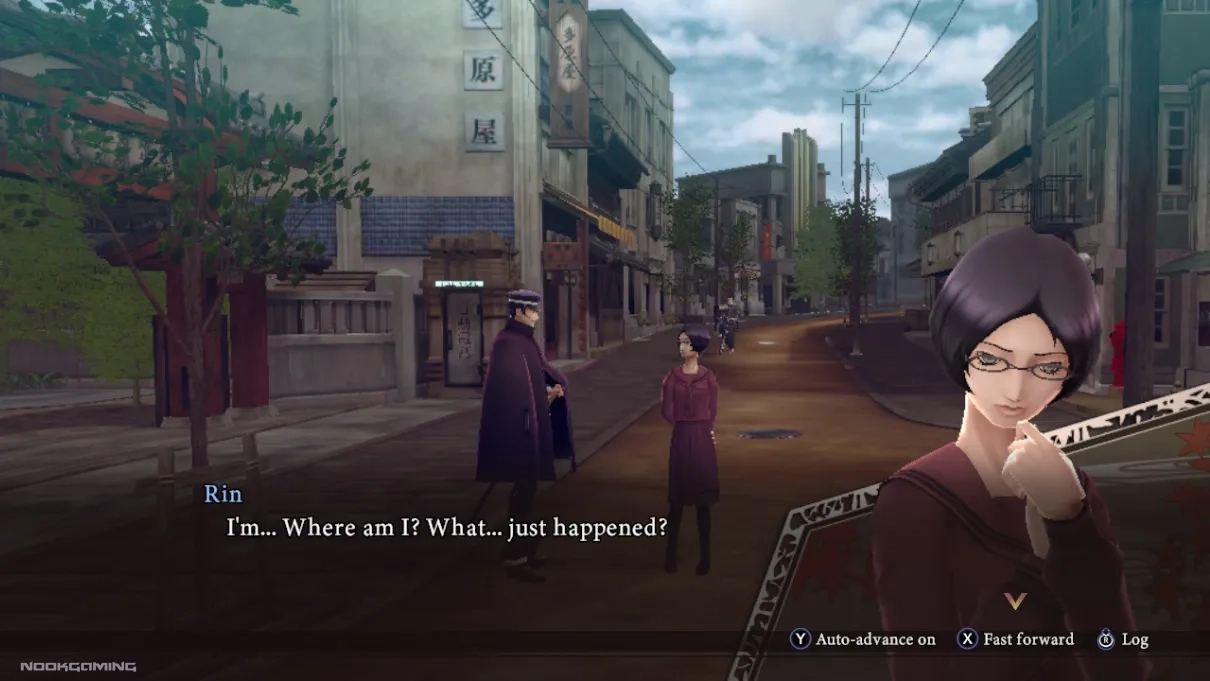
This sense of impartiality is carried through the main protagonist Raidou, who is always cool and stoic no matter the situation. The benefit of this kind of non-characterization is that it lets Raidou fit into a wide range of scenarios, be they goofy or deadly serious, and he doesn’t feel out-of-place or like he’s suddenly acting differently in any of them. While his companion Gouto does most of the talking, he does it in a way that still makes it feel like the writers wanted to respect the player’s interpretation of what can occasionally be some very morally complex situations.
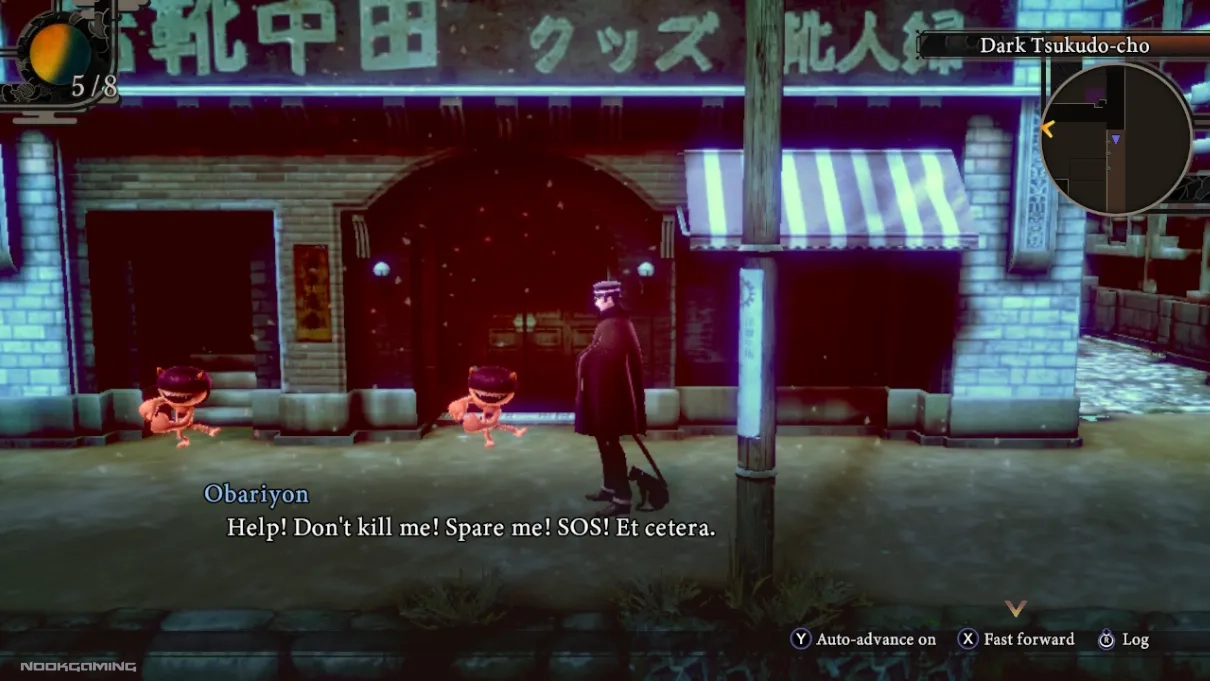
Of course, that’s not to say that the game doesn’t have its share of larger-than-life characters. The demons themselves remain playful, deadly, and full of charm like always. They don’t have as much to say this time around due to the game lacking a conventional negotiation system (more on that later), but the ones you can meet inside dungeons or as part of the main story are great. Some will barter, some will want to fight you for fun, or some will be monsters who are following what they feel is their natural instinct. Due to the mystery aspect of this game, its focus is more on the human cast and what’s going on in human society.
The human characters are generally good, bouncing off of Raidou’s unchanging face in ways that are pretty amusing and endearing. Gouto generally gets ignored since, being a spirit in disguise of a cat, he can’t be understood by normal people. That said, he is witty and his dialogue usually aligns exactly where I’m thinking, especially in regards to how flat-out insane the story can get in later junctions. Narumi, of the Narumi Detective Agency, and Kaya Daidouji are also very fun characters by themselves too. This story is an Atlus oldie by this point, but overall I think it’s in the higher tier of the ones they’ve crafted thus far.
Hit It ‘Till It Dies
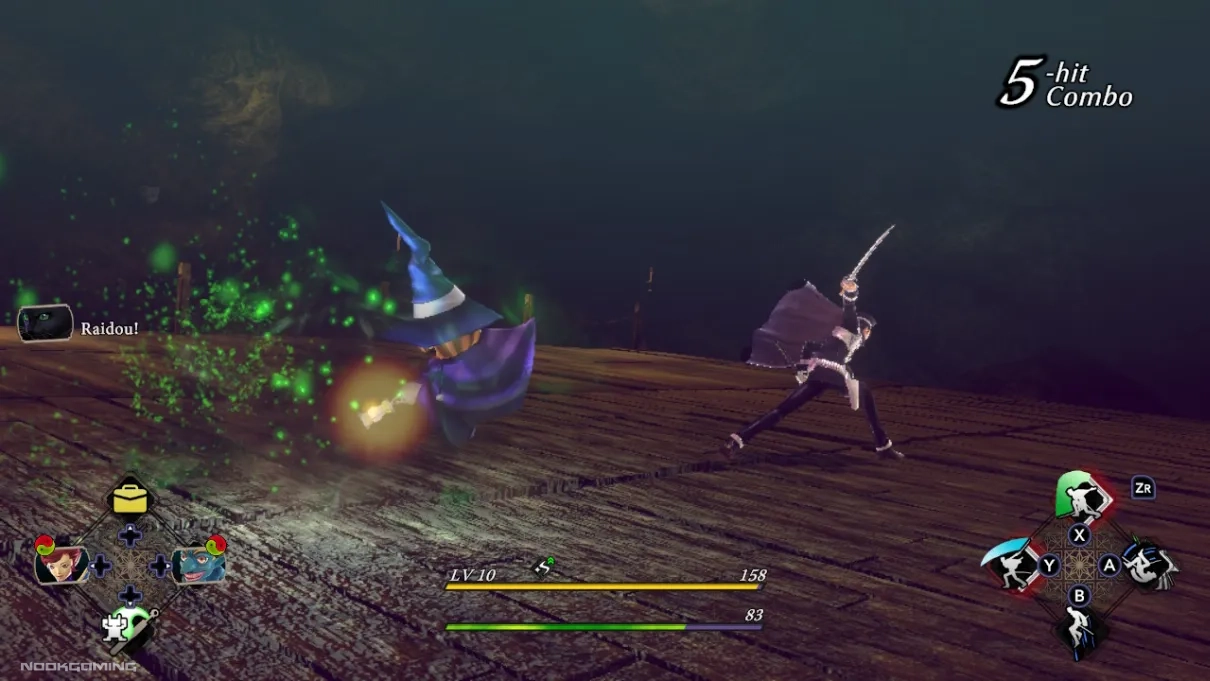
When you’re not out in the streets investigating and chatting up the locals, you’re fighting demons out in the streets or in dungeons. On the outset, Raidou is equipped with a basic quick attack and heavy attack. Heavy attacks do more damage and stagger enemies, while quick attacks save MP and deal what is effectively chip damage. Raidou also has a gun to shoot down enemies from a distance, but it did so little damage for most of my playthrough that I tended to forget it even existed until Gouto reminded me mid-battle. Though it’s possible I was simply using it wrong.
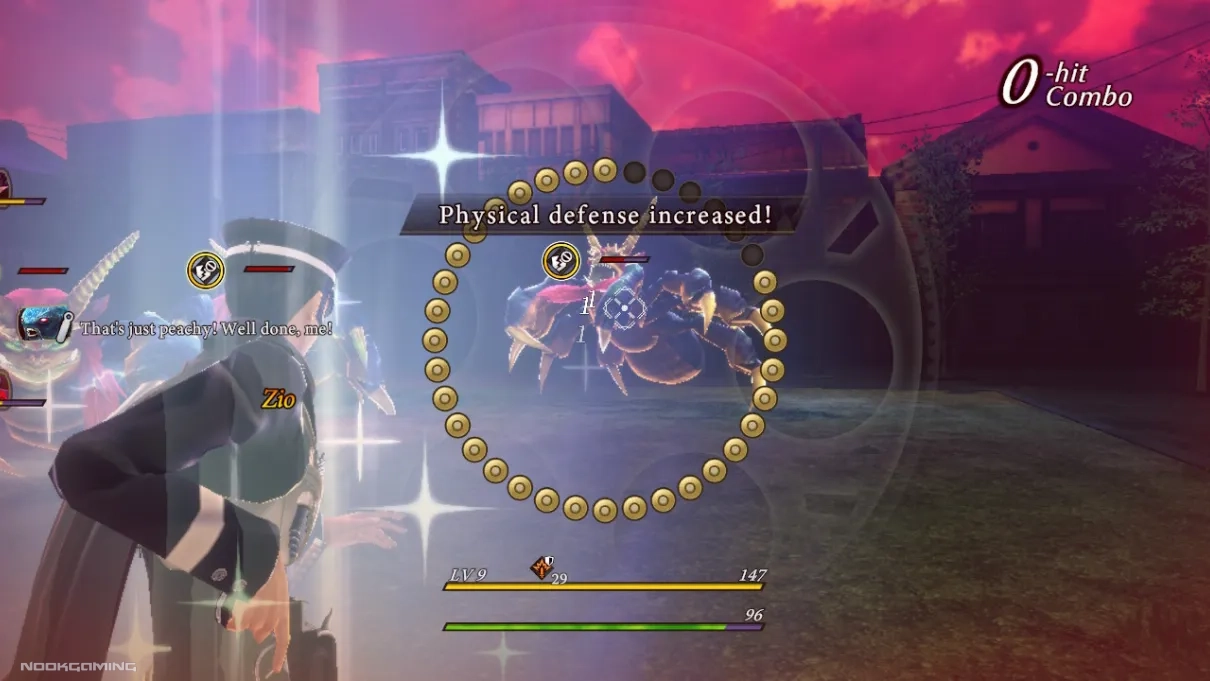
Besides this, Raidou can also jump, dodgeroll, and use Magic attacks. Magic attacks cost MP, which can be restored mid-battle through using light attacks on enemies. Magic doesn’t typically deal much more damage than heavy attacks do, but they do exploit elemental weaknesses in enemies. Like in Megami Tensei proper, exploiting weakness is critical in getting a leg-up in battle, as they will temporarily stun enemies and let you deal more damage for a period of time. Lastly, Raidou has the Devil’s Bane skill, an attack that can deal massive damage and restore MP upon either dodging an attack or causing staggers. The timing for dodging to activate a Devil’s Bane skill is extremely tight, and getting hit by even a single attack can be very punishing, so this never felt exploitable.
I had something of a false start with the combat system due to its overall weightiness, but this eventually turned into admiration as battles grew more complex and positioning became more important. Really, my main issue with it is that I wish enemy demons felt more distinct in how they fought. It would be asking too much of the developers to make unique movesets for everyone given the roster’s size, yet there is something left to be desired with how enemies spam the same attacks and generally have tiny movesets. Even a fair number of bosses, rather than having unique movesets, will instead have you fight several copies of them simultaneously. That’s not to say that it isn’t still a lot of fun thanks to the overall difficulty curve and flexibility in how you can customize both Raidou and his demons.
Putting the “Devil” in Devil Summoner
Of course, Raidou never has to fight alone. Demons can be “contained” mid-battle by approaching them and having enough MP to contain them. Rather than negotiation, you contain them by mashing the attack button in time. The higher the level of the demon in proportion to Raidou’s own level, the harder you’ll have to mash. It’s… honestly quite brainless, and I wish they at least made it more difficult to begin this containment process to compensate for how little you actually have to think or engage with things to capture a demon.
Some demons will initiate a process similar to negotiations from SMT, where you’ll answer a single question for them. Depending on your answer, this demon may receive a buff or a debuff as they join your party, or they may instead help you mid-combat by topping off your HP or MP or raising a certain stat. This can be useful in fights against several demons where one of them is already in your party, so you can automatically initiate this without any hassle.
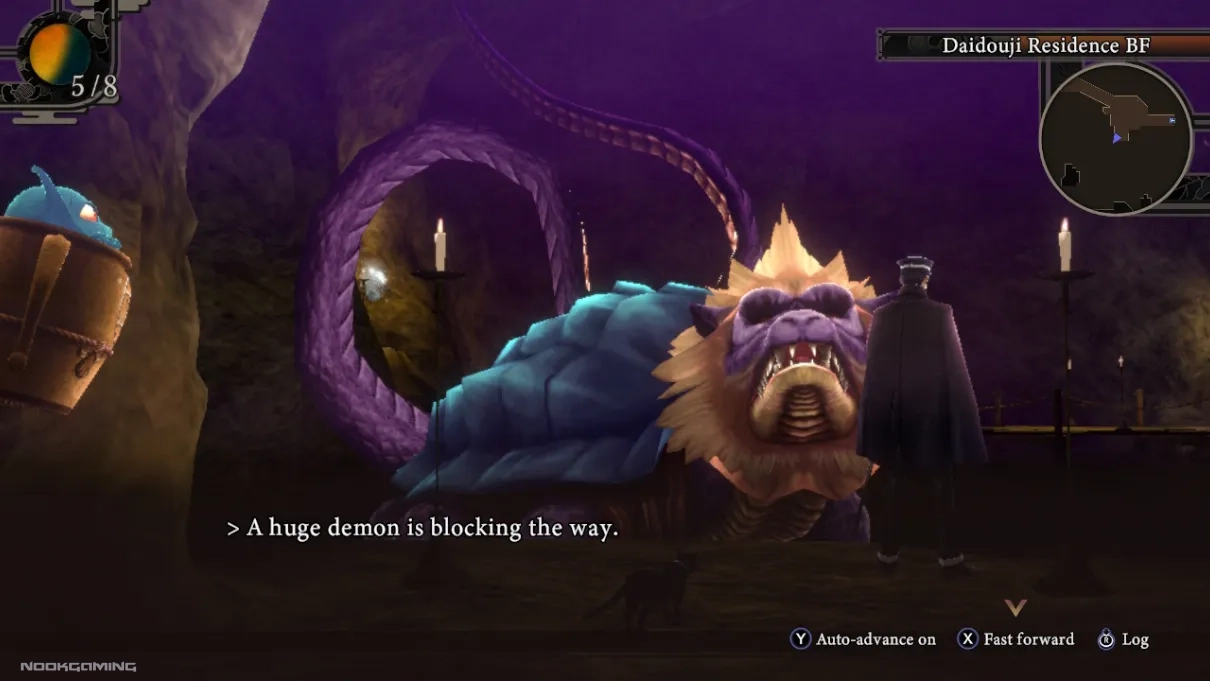
You can have up to two demons fight alongside you at once, where they’ll either attack physically or use your own MP to cast spells. Usually the AI does a good job aiming for weaknesses, but some of the time they’ll be quite brazen in what spells they use, wasting precious MP for no real reason. It’s a lot of the typical problems you’ll run into with AI party members in ARPGs, where they’ll teeter between being too useful or completely worthless. Here, at least, you can assume direct control on them and command them to perform certain attacks on certain enemies, so it’s mitigated somewhat when you really need it. It’s especially necessary against Nethergates, roadblocks that you’ll encounter in dungeons, who only have a weakness to a single type of attack.
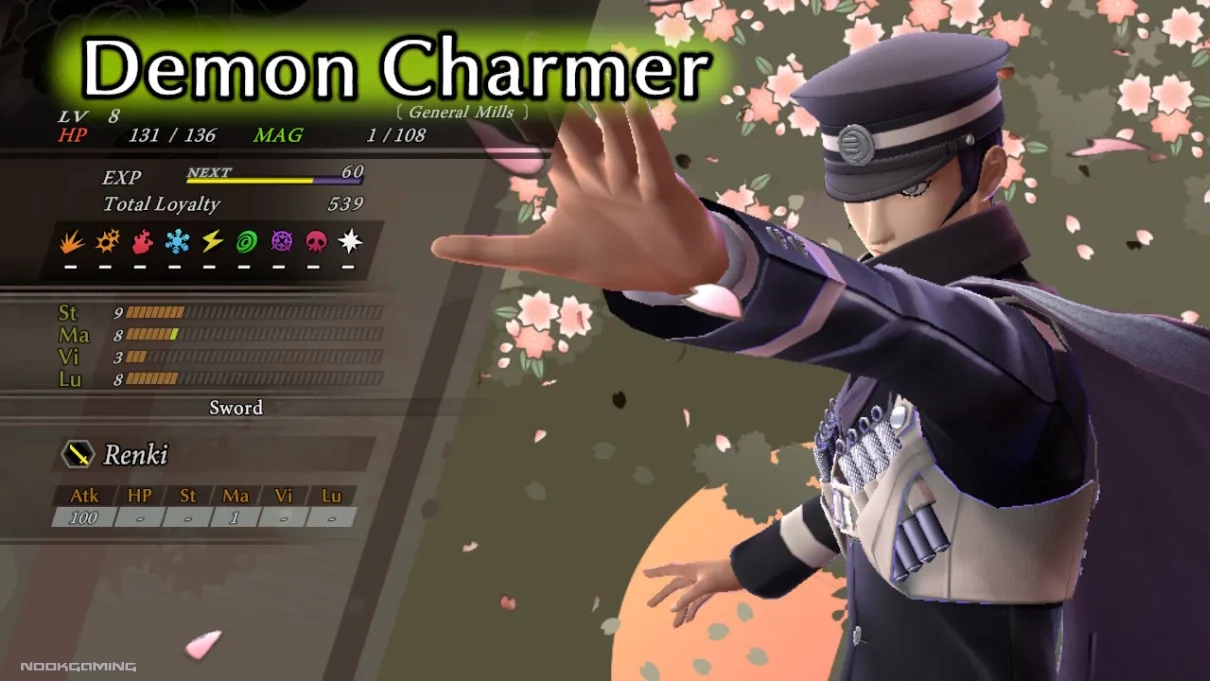
This game also carries many of the great progression systems you’ll find in mainline Megami Tensei or Persona. On top of recruiting demons directly, you can also gain more through Demon Fusion, combining two or more demons to make a much more powerful one. Raidou himself can also be spec’d to your liking, as each of his level ups will allow you to allot a stat to any specific one that you wish to raise, just like in the mainline games. It’s not without its issues, but as someone who was massively skeptical of an action-based Megami Tensei title, the end result is surprisingly very compelling.
Investigations
During most story beats, you’ll be investigating a lot of different areas and chatting up with locals about the mystery of the Daidouji family and the whereabouts of the Soulless Army, among other things. This is where both your wits and the demons themselves come into play. Rather than just helping you in battle, demons can be used to investigate, where you can either send them off to access areas Raidou himself can’t normally reach, or use their abilities to get different responses out of NPCs. Which demon you send is also important, as their differing abilities will come in handy in numerous ways. With this, the potential for puzzle-solving and lateral thinking should multiply, right?
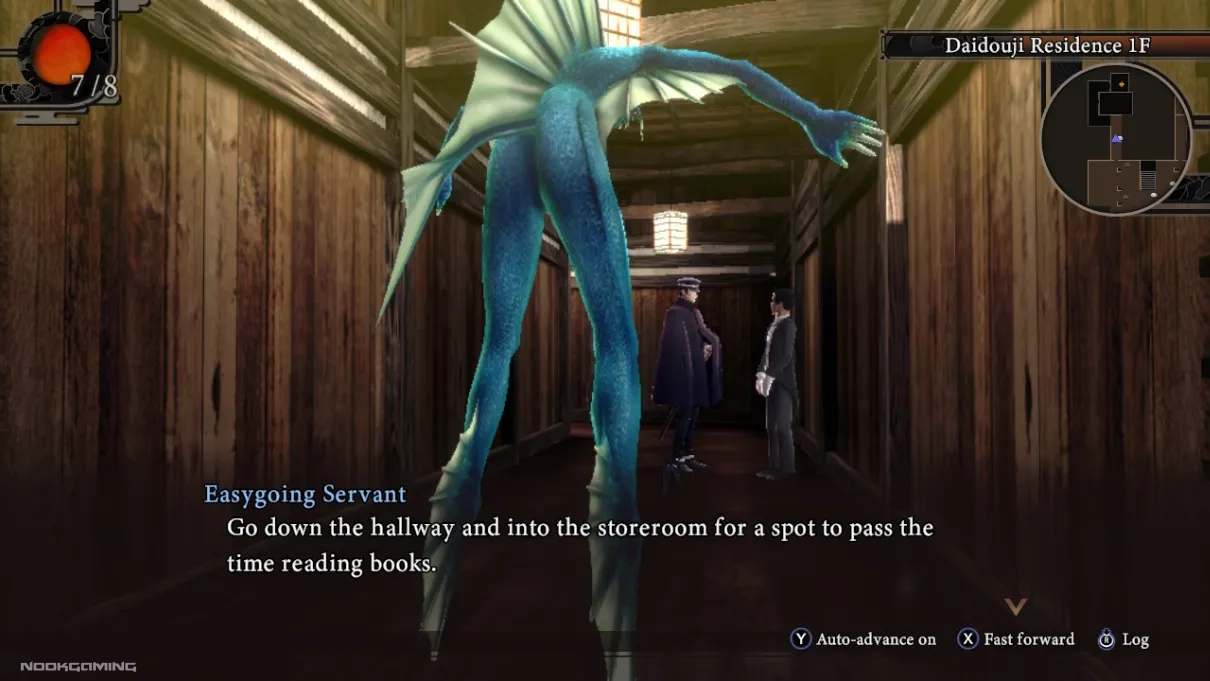
Wrong. The biggest undercut to the potentially satisfying mystery-solving element of this game is Gouto. Since he just can’t keep his trap shut, he winds up spoiling most of the solutions to problems by telling you when and where you should use a specific sort of demon to help you out. In other places like side quests or areas in dungeons that require a specific ability to reach, the game will streamline things to a point that you almost never have to figure things out by yourself. This isn’t even accounting for how most of the hints that the game does give you are incredibly generous as-is. Perhaps I’m a little too versed in these sorts of games to judge it fairly, but even the likes of Professor Layton tended to put up a bigger intellectual challenge than this did in its later stages.
It doesn’t really get in the way, at least. Plus, I think the mystery-solving elements are still worthwhile for how they contribute to the overall storytelling of the game. Something would definitely feel missing if the story was told in a more conventional, linear format. That said, I’m hoping that the next game is a lot better about this sort of thing. It feels like a half-step towards wanting to be an approachable RPG, while also being a compelling adventure game, and in the end it winds up not really being either.
Remastering Overview
Raidou Remastered: The Mystery of the Soulless Army is one of those not-quite-remake but not-quite-remaster sorts of releases that can be hard to really define. It is unquestionably a different experience from the PS2 release in many areas, though it’s not quite different enough for me to deem it as a total overhaul, either. Most of the changes I’ve technically already discussed, as it made many small and large changes to core gameplay, especially combat. I think these are better, for the most part, and I can see players who were turned off by the original game having a much smoother time here.
There’s also voice acting in both English and Japanese, and I think the English voice track is on the standard of Atlus’s best dubs like Catherine or Shin Megami Tensei IV. Everyone performs with a smooth, but rarely over-acted, performance that fits the story’s more quiet intrigue quite seamlessly. Gouto in particular got A+ casting, which is critical since he has the most lines in the game by a good margin. Even many incidental NPCs are voiced, which makes it easy to get immersed in the setting. There’s also a redone soundtrack, which I thought was good, if decidedly unspectacular for Atlus’s lofty standards.
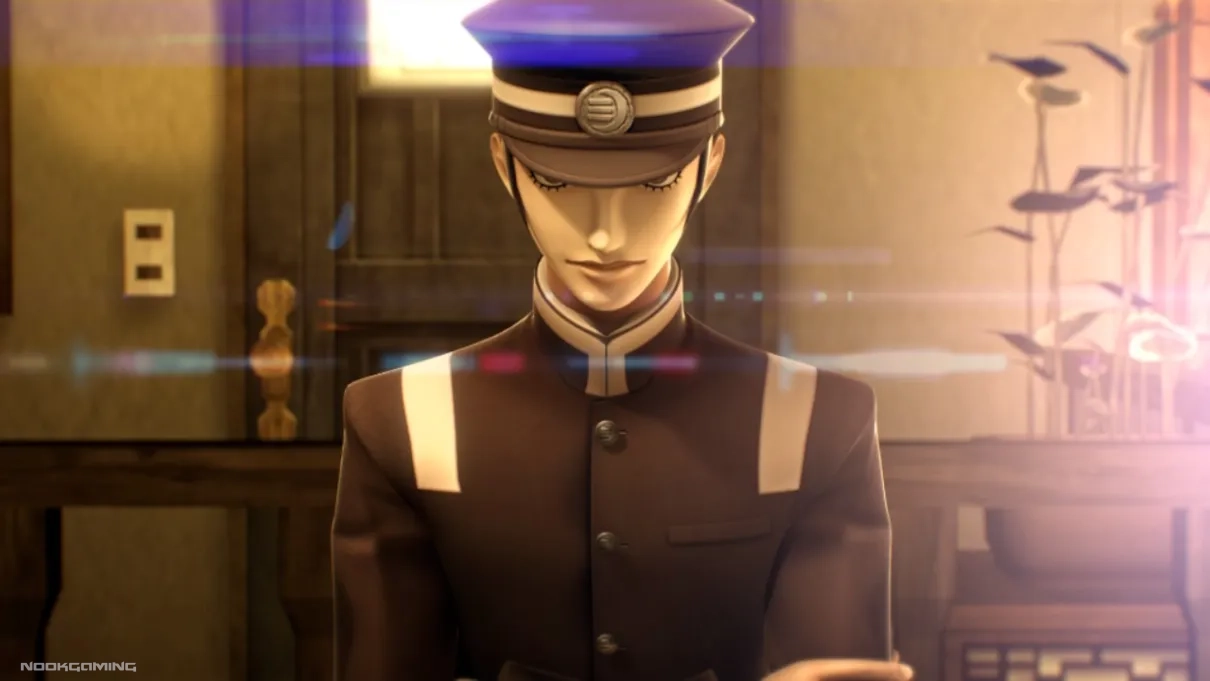
The part that’s almost certainly going to be met with the most criticism are the changes made to the visuals. Both games suffer from a lack of budget, leading to a pretty jarring number of repeat locations and some poor looking NPC models. The original Raidou title used a very subdued color palette, while Raidou Remastered uses a brighter one that incorporates more sophisticated lighting techniques. This extends to both the maingame and the CG cutscenes, all of which were redone. For the most part, I enjoyed the new visual style and I think it still looks reasonably distinct from current Atlus games, but the original game was undoubtedly the more consistent of the two. I think this is something that only fans of the original will really care about, as the remaster never actually looks bad outright, but it is something to keep in mind when trying to analyze the game from a more holistic lens.
Verdict
Raidou Remastered: The Mystery of the Soulless Army is a smooth blend of many of Atlus’s best traits. In terms of tone and premise, it’s rather masterfully executed and I think even among their enormous and storied library, it remains distinct for largely good reasons. As a game, certain elements leave something to be desired. While I praise the combat for being a surprisingly successful blend of action gameplay and the turn-based systems present in mainline Megami Tensei, I don’t feel the same way about the investigation portions. It feels like they wanted to do more with the adventure game element, but it feels quite basic and solving things is easy. It would only take a few adjustments for it to really come together, but as it is now it’s kind of a neat time-waster and not much else.
Overall, I enjoyed what I played and I think there’s great untapped potential in more of Raidou’s yet untold stories. While I think a remaster of the second PS2 game is a matter of “when” and not “if”, a third game with modern graphics and a rethought investigation system could potentially make it an Atlus hallmark. As it is now, I would still recommend it as a nice time capsule of when Atlus got really daring.
RAIDOU REMASTERED: THE MYSTERY OF THE SOULLESS ARMY IS RECOMMENDED

If you are looking for another JRPG remaster, check out LUNAR Remastered Collection.
Thank you to Atlus for a Nintendo Switch review code for RAIDOU Remastered: The Mystery of the Soulless Army.

A hobbyist who took up the pen to write about their favorite pastime: games. While a lover of many genres, Isaiah Parker specializes in Platformers, RPGs, and competitive multiplayer titles. The easiest way into his heart is to have great core gameplay mechanics. Self-proclaimed world’s biggest Sonic fan. Follow him @ZinogreVolt