If you’re thinking of getting into The Legend of Zelda, then the Nintendo Switch 2 is a great place to start. Thanks to both its flexible form factor and accessibility, you have a lot of options on what games you want to play and how you want to play them. However, Zelda is a large and storied series, so looking at where to start can be a daunting task. This guide is here to help newcomers out with where to start and what to look out for.
Of the 21 mainline installments, Switch 2 is currently capable of playing 15 of them. The games missing are as follows:
- The Legend of Zelda: Twilight Princess
- The Legend of Zelda: Four Swords Adventures
- The Legend of Zelda: Phantom Hourglass
- The Legend of Zelda: Spirit Tracks
- The Legend of Zelda: A Link Between Worlds
- The Legend of Zelda: Triforce Heroes
While I believe every game in the series is worth playing in some form or fashion, you can still get a very comprehensive look at its strengths with only a Switch 2. With this in mind, here is a look at each set of games and what you should look out for.
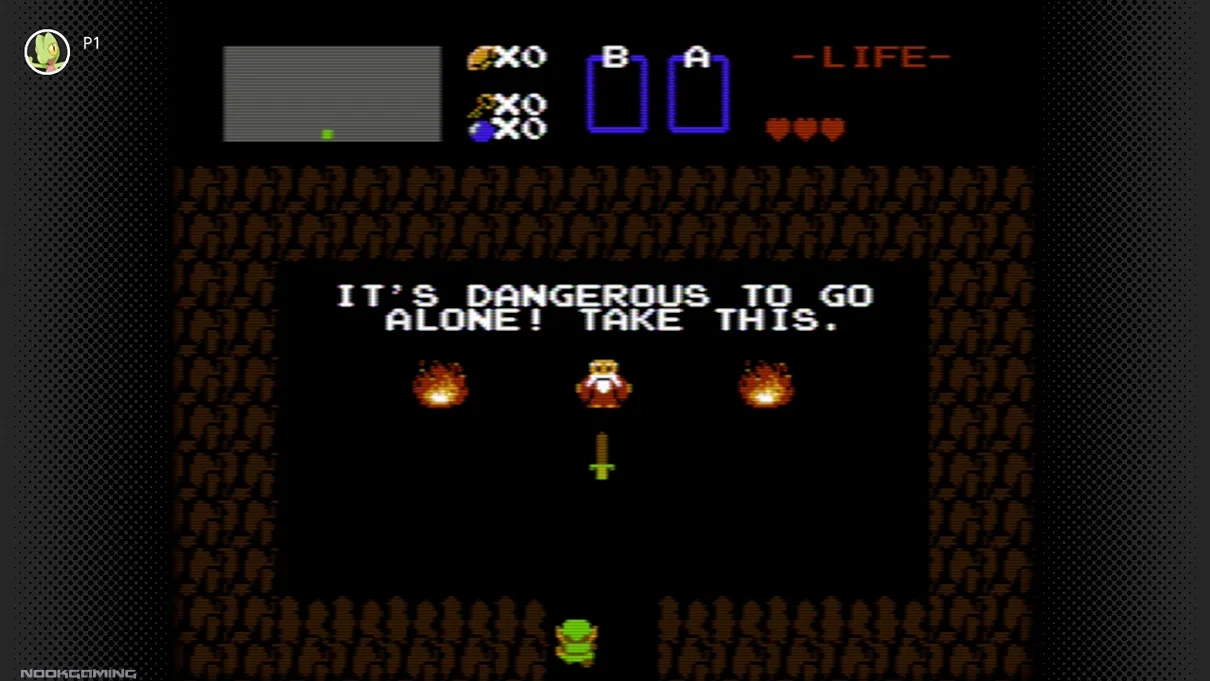
NES Zelda
If you’re more familiar with Zelda through its modern open world entries, you may be surprised to find that the NES Zeldas are arguably the closest to that. While naturally not as sophisticated in their make, they offer up compelling worlds to explore and some surprisingly high difficulty. While Zelda 1 is a top-down game that is effectively the series’ main template, Zelda II is a more unique game. Zelda II features an RPG-style overworld with RPG mechanics like spells and level-ups, as well as 2D sidescrolling combat reminiscent of Castlevania. To this day, it’s still the hardest game by a fair margin, thanks in part to also being the only one to feature a lives system instead of the usual game over screen.
Both of these games are more focused on figuring things out piecemeal, and certain parts of them can be somewhat esoteric if you’re not used to playing older titles. If you’re feeling lost, Nintendo has officially uploaded manuals for many of their older titles, including Zelda 1 and 2. These feature tips, maps, and clues on where to go if you get lost or stuck.
The manuals can be found here and here.
The Legend of Zelda and Zelda II: Link’s Awakening can be played via the “Nintendo Entertainment System – Nintendo Switch Online” application, which requires an active Nintendo Switch Online membership to play.
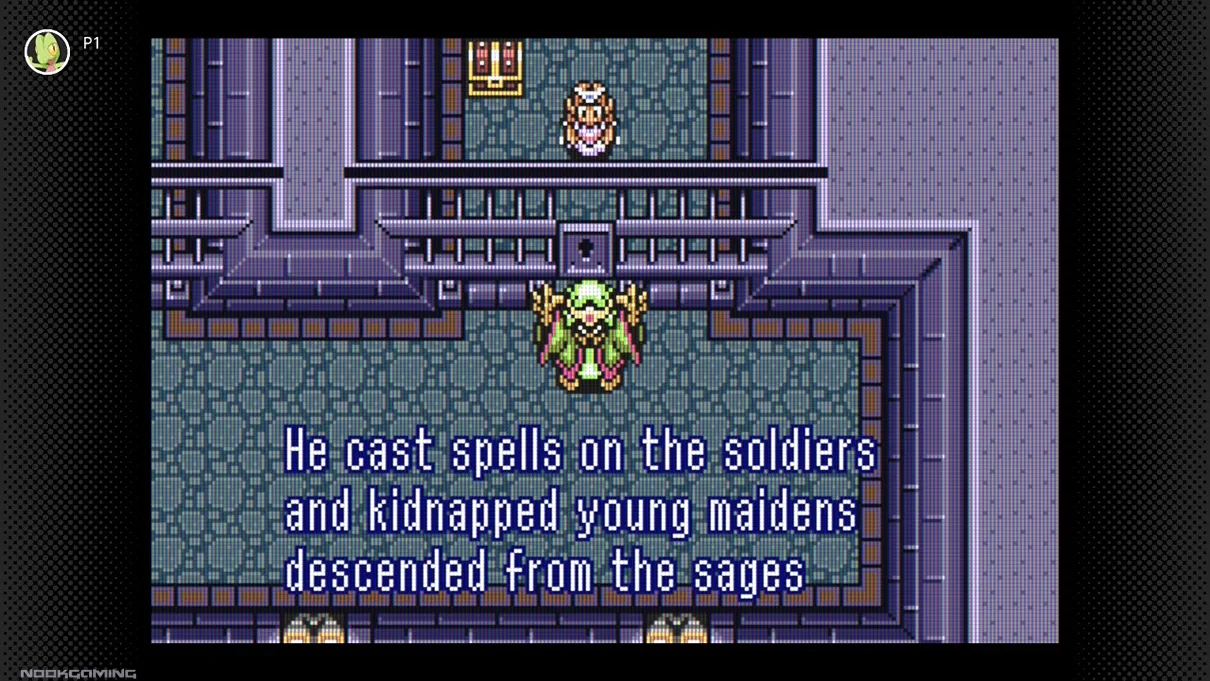
A Link to the Past, Link’s Awakening, and Four Swords
These two games are responsible for creating a lot of the trends you find in current Zelda titles. A Link to the Past’s overall structure has been used across most Zelda titles following it, and it introduced recurring gimmicks like puzzle-solving items mostly being found within dungeons centered around their themings. Link’s Awakening is a much more linear, puzzle box-like game that introduced locked doors and keys to main dungeons, which has been a series mainstay ever since. Both of these games are excellent looks into when Zelda steadily became more focused on intuitive puzzle-solving and narrative.
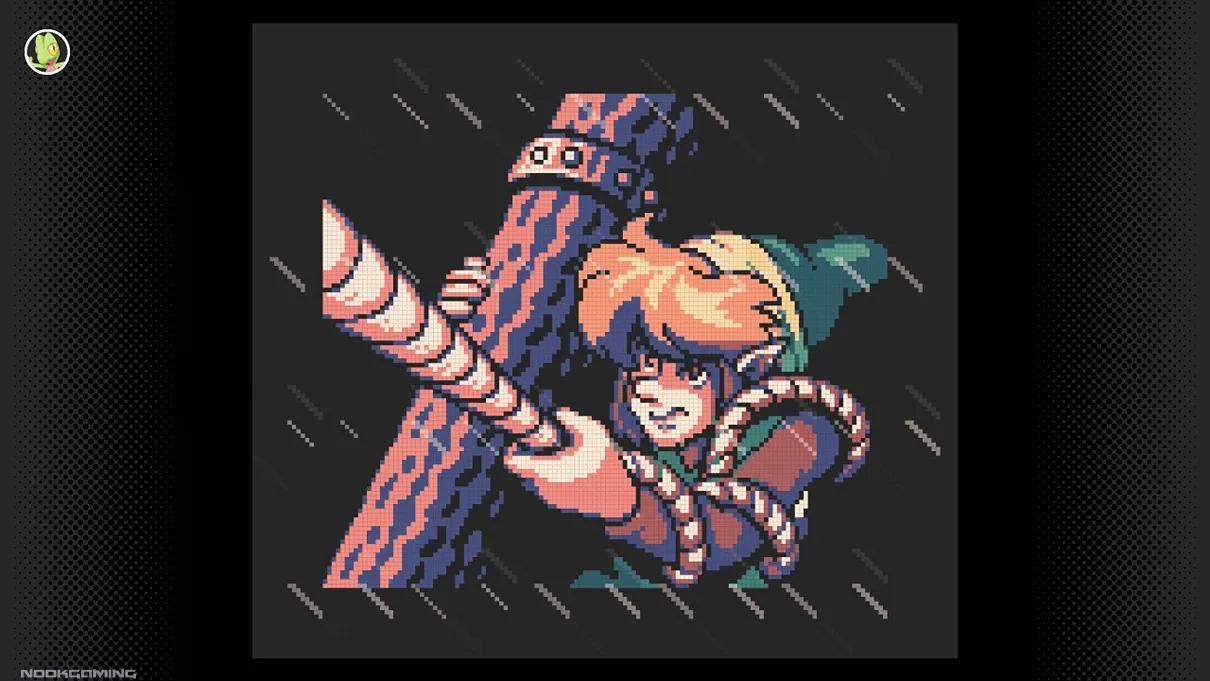
With both of these games, you have two options on how to play them with Switch 2. For Link’s Awakening, you have the Game Boy Color “Link’s Awakening DX”, which is a colorized version of the Game Boy original version. As well, you have the top-to-bottom remake from 2019, featuring completely redone graphics, sound, and a few extra features. The remake is nearly 1:1 in terms of level design, progression, and overall gameplay, with only a few things thrown in like the use of more buttons to smooth out gameplay. The Switch 2 also received a patch to smooth out its performance, speed up load times, and increase the resolution, making it a much more comfortable experience than on Switch 1. If you had to pick one, I would say play the remake for its added control features, but I would encourage anyone to play both for their distinct artistic merits.
A Link to the Past is somewhat more clean-cut, with the GBA and SNES versions being a lot closer. The SNES version features richer sound, a more vibrant color palette, and a wider field of view than the GBA version. The GBA version is still perfectly playable by comparison, but this is mostly worth playing for the added content in the form of Four Swords. Four Swords is a multiplayer title that can be played online with NSO, featuring randomized dungeon layouts and a breezy campaign that can be completed in one sitting. It must be noted that the original GBA release of Four Swords required a minimum of two human players to play. Unlike the Anniversary Edition from 2011, the version featured on Nintendo Switch cannot be played solo. If you give this one a try, be sure to bring a friend or three along for the ride. Completing both the GBA version of A Link to the Past and Four Swords will unlock a bonus dungeon in the former title, which can be found near the end of the game.
The Legend of Zelda: A Link to the Past (SNES) can be played via the “Super Nintendo Entertainment System – Nintendo Switch Online” application, which requires an active Nintendo Switch Online membership.
The Legend of Zelda: A Link to the Past and Four Swords can be played via the “Game Boy Advance – Nintendo Switch Online” application, which requires an active Nintendo Switch Online + Expansion Pack membership.
The Legend of Zelda: Link’s Awakening DX can be played via the “Game Boy – Nintendo Switch Online” application, which requires an active Nintendo Switch Online membership.
The Legend of Zelda: Link’s Awakening (2019) can be purchased physically from retailers or purchased digitally on the Nintendo eShop.
3D Zelda
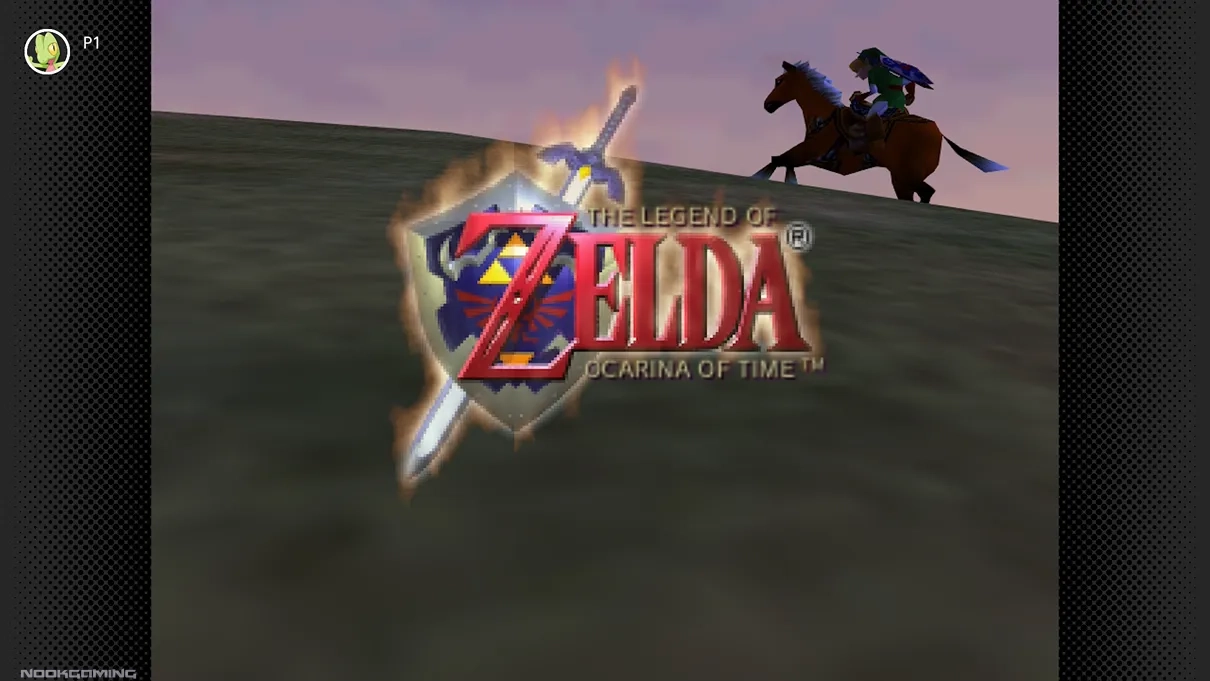
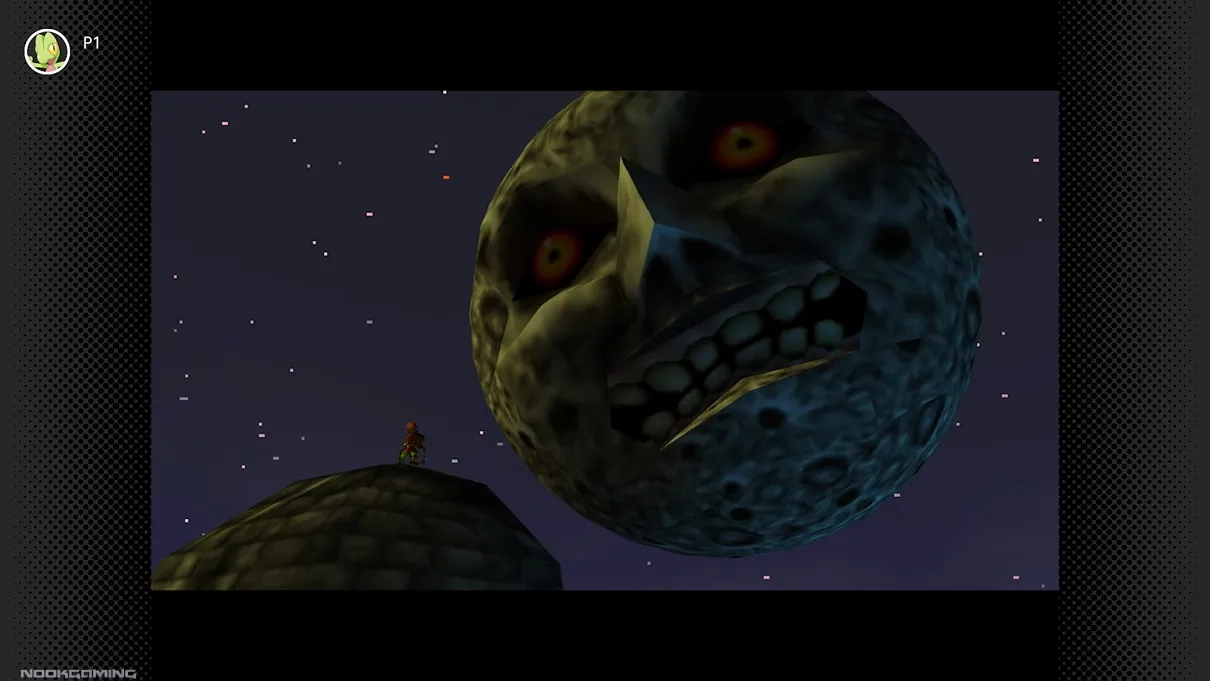
With the exception of Twilight Princess, nearly every 3D Zelda title is playable on Nintendo Switch 2. Most of these carry the general mold set up by Link’s Awakening and A Link to the Past, being quite linear and far more focused on story and puzzles. Ocarina of Time also started the trend of having many more sidequests, with more lively NPCs that have their own little storylines and quirks. This carries over into all 3D games, and in fact becomes the focus of Majora’s Mask, the direct sequel of Ocarina of Time. I wouldn’t recommend starting with Majora’s Mask first, since it has a timer that’s always running down, and that pressure might not gel well with newer players. Ocarina of Time and Majora’s Mask are both played using their original N64 versions. These are still quite playable, though it may take a bit of adjusting to a lower-than-usual framerate.
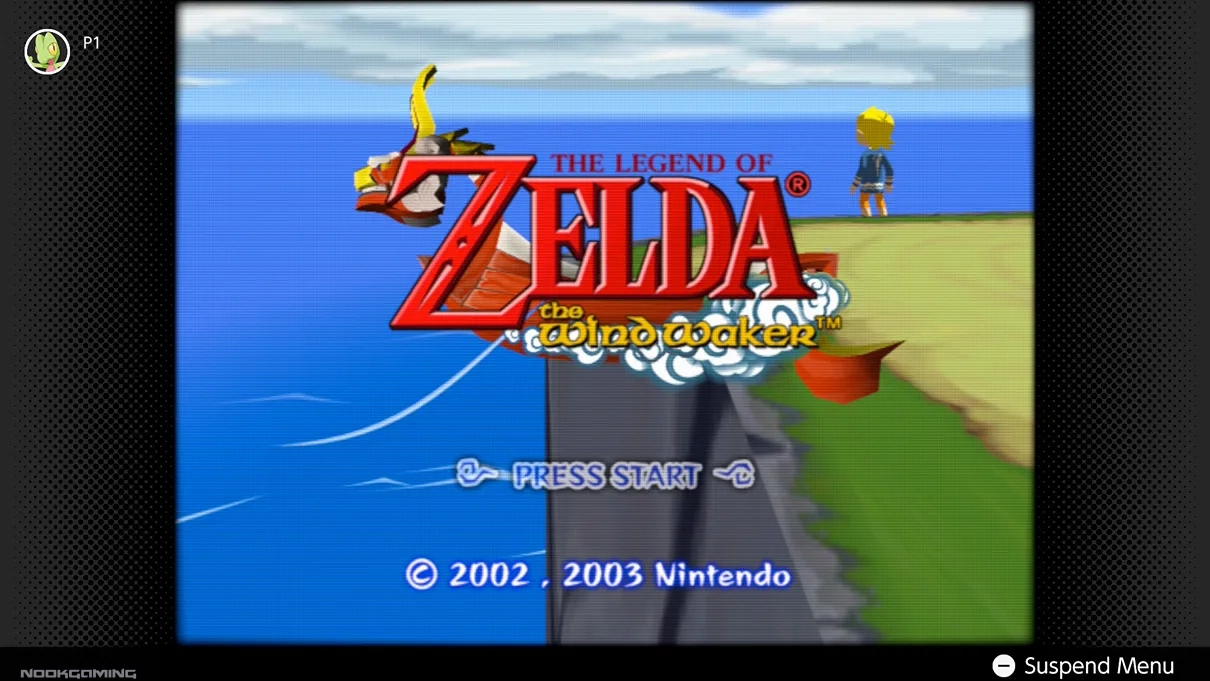
The Legend of Zelda: The Wind Waker offers a more vast world through its seafaring premise, though much of its mechanics and structure still borrow heavily from Ocarina of Time. It’s a somewhat shorter game if you only do the main story, and I feel it’s the ideal Zelda for getting people comfortable with the older game style if it’s their first time playing one. It’s also a much easier game than most of the other ones in both puzzle design and combat, so players who are new to games in general shouldn’t risk getting stuck on it. On Switch 2, The Wind Waker is played via its Nintendo GameCube version. While the HD version released for the Wii U offers better overall playability, the GameCube version is still perfectly enjoyable and it doesn’t take long to get adjusted to its quirks.
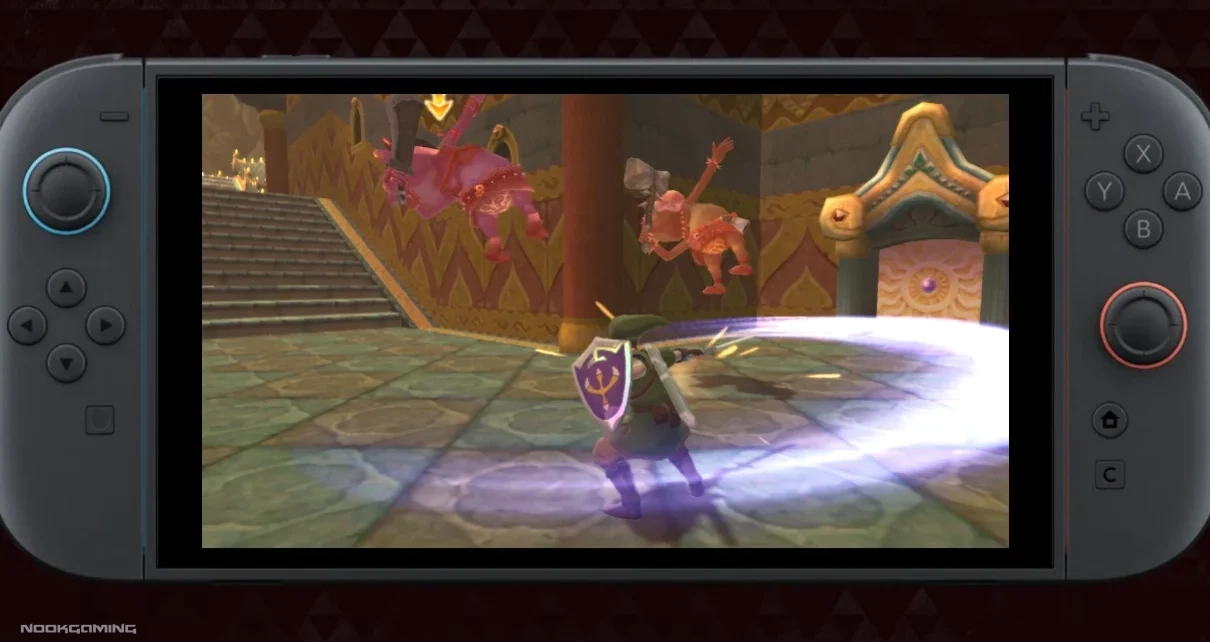
The Legend of Zelda: Skyward Sword can be played via its HD version, which can be played using the Switch 1 version via its backwards compatibility. This is the most story-driven game in the series, and can be viewed as the culmination of all of the 3D Zeldas preceding it. I would recommend playing this one after playing the other 3D games. Skyward Sword HD offers smooth 60FPS gameplay on both Switch 1 and Switch 2, but the improved gyrometers in the Switch 2 Joycons allow for more precise and less error-prone motion controls if that’s how you would prefer to play it. It can also be played with a regular controller, instead.
The Legend of Zelda: Ocarina of Time and The Legend of Zelda: Majora’s Mask can be played via the “Nintendo 64 – Nintendo Classics” application, which requires an active Nintendo Switch Online + Expansion Pack membership.
The Legend of Zelda: The Wind Waker can be played via the “Nintendo Gamecube – Nintendo Classics” application, which requires an active Nintendo Switch Online + Expansion Pack membership.
The Legend of Zelda: Skyward Sword HD can be purchased physically at retailers or purchased digitally from the Nintendo eShop.
Oracle of Ages, Oracle of Seasons, and The Minish Cap
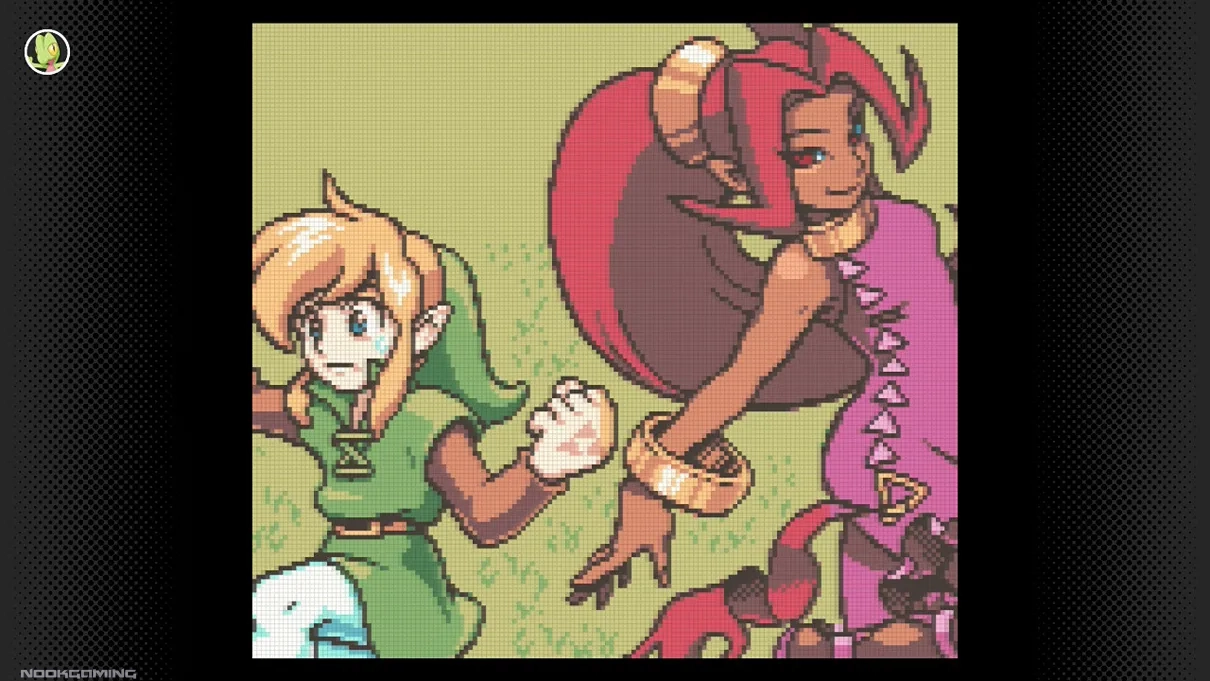
These three games all form a trilogy of sorts, having been made by the same team with assistance from Capcom. Oracle of Ages and Seasons build directly off of Link’s Awakening DX, featuring many of the same graphics and music tracks, coupled with more robust gameplay ideas and level design. Oracle of Ages is focused heavily on puzzles, and is in my opinion, the hardest game in the entire series in that sense. Oracle of Seasons meanwhile is a more even spread, focusing on both combat and puzzle design, and additionally featuring many callbacks to Zelda 1. Both games can link up to form one story, where you fight an additional boss at the very end of the second game you clear. Which order you play them both in can also affect the storyline and dialogue a small amount.
The Minish Cap is a shorter, but more detailed game. It takes place in an early iteration of Hyrule and features a surprisingly small amount of its iconography, instead going for something more original and wackier. It’s easier than both of the prior games, and does more to resemble the Zeldas on home consoles, especially The Wind Waker. It’s a good idea to keep a strategy guide open when playing this game, since there are a few permanently missable items that are very easy to skip over by accident. I would recommend playing this set of 2D Zelda titles after completing both A Link to the Past and Link’s Awakening.
The Legend of Zelda: Oracle of Ages and The Legend of Zelda: Oracle of Seasons can be played via the “Game Boy – Nintendo Switch Online” application, which requires an active Nintendo Switch Online membership.
The Legend of Zelda: The Minish Cap can be played via the “Game Boy Advance – Nintendo Switch Online” application, which requires an active Nintendo Switch Online + Expansion Pack Membership.
Modern Titles
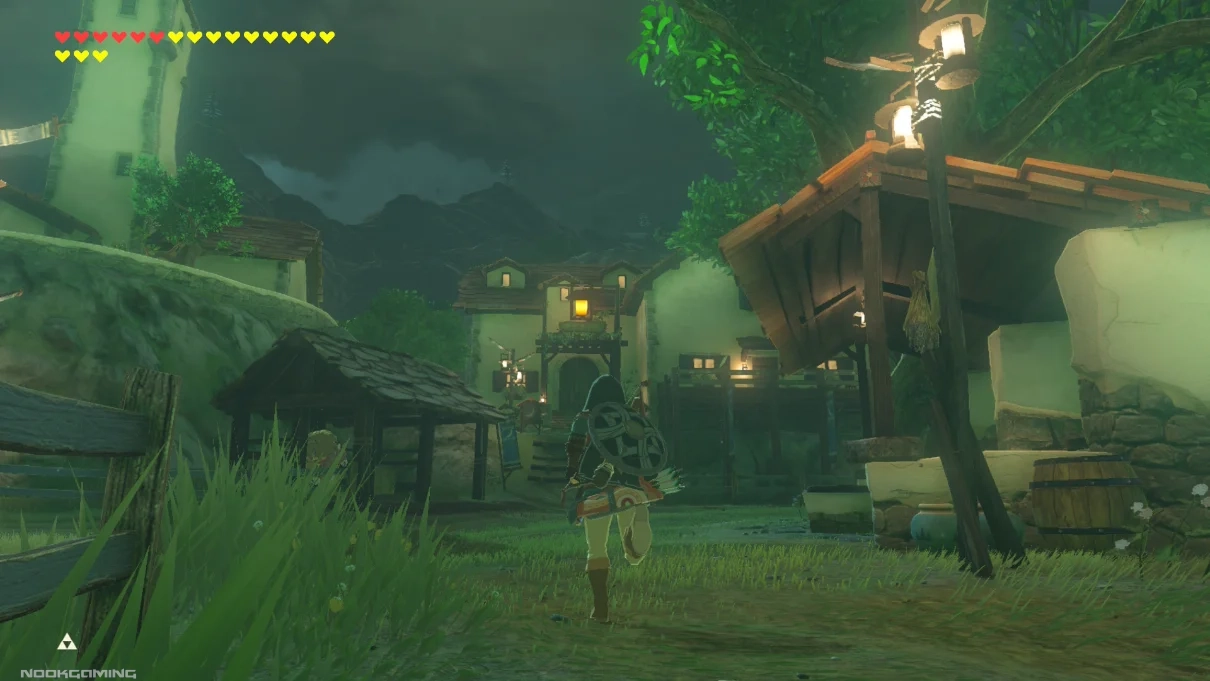
The modern Zelda titles include Breath of the Wild, Tears of the Kingdom, and Echoes of Wisdom. These games are all much more open-ended and physics-oriented, featuring puzzles that allow you to solve them with whatever approach you wish and higher overall difficulty compared to many prior titles. For players who prefer lateral thinking over linear thinking, these titles are definitely for you. These games feature a far greater amount of content and longer runtimes compared to any prior title, so if you want something that is bang for your buck, these are good titles to consider.
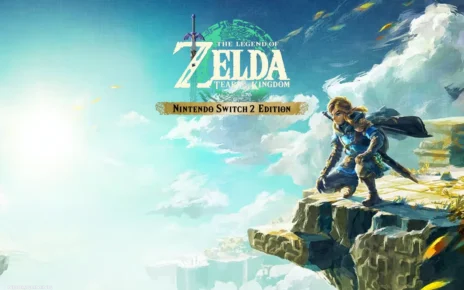
Each of these games have also received sweeping improvements with the transition to Switch 2. While Echoes of Wisdom received a free update that boosts resolution, decreases loading times, and vastly improves framerate stability. It’s in a much better state than that game, to a point where I could never recommend playing it on Switch 1. Breath of the Wild and Tears of the Kingdom received bespoke remasters in the form of their Nintendo Switch 2 Editions, which vastly improve resolutions, improve texture and shadow quality, make the games more colorful, cut down on load times, and double the framerate from a shaky 30FPS to a solid 60FPS for both titles. Both titles also have an additional save slot for whenever you want to replay them without deleting old data. These are paid upgrades (costing 10 USD/8 GBP each), but you can access them both for free if you own the base games and have Nintendo Switch Online + Expansion Pack.
These games also come with the Zelda Notes companion app on smartphones, which can be found in the Nintendo Switch app. By syncing your account, you can have Zelda Notes on hand to help you out in several key places. These include helping you find items, Korok Seeds, using your phone like a typical map navigation system for both games, and being able to share or upload Ultrahand creations in Tears of the Kingdom via QR codes. They also include daily reward items like food, an Achievement system, and the ability to share certain items with other players. There’s also Voice Memories, which contain extra story for both games, but I would heavily recommend that newcomers not use this until they’ve completed most of the main story for both games, as some Memories contain heavy spoilers.
Even without the paid upgrades, both Breath of the Wild and Tears of the Kingdom can run as backwards compatible Switch 1 versions on Switch 2, which run the games at their original specifications (900p/30FPS) more consistently and with somewhat improved load times. I do think the proper upgrades are worth the price of admission, however.
The Legend of Zelda: Breath of the Wild and The Legend of Zelda: Tears of the Kingdom can be purchased physically at retailers or purchased digitally from the Nintendo eShop. Anyone who owns either game can purchase their Upgrade Packs to play their Nintendo Switch 2 Editions. Players with active Nintendo Switch Online + Expansion Pack memberships can receive these upgrades for free.
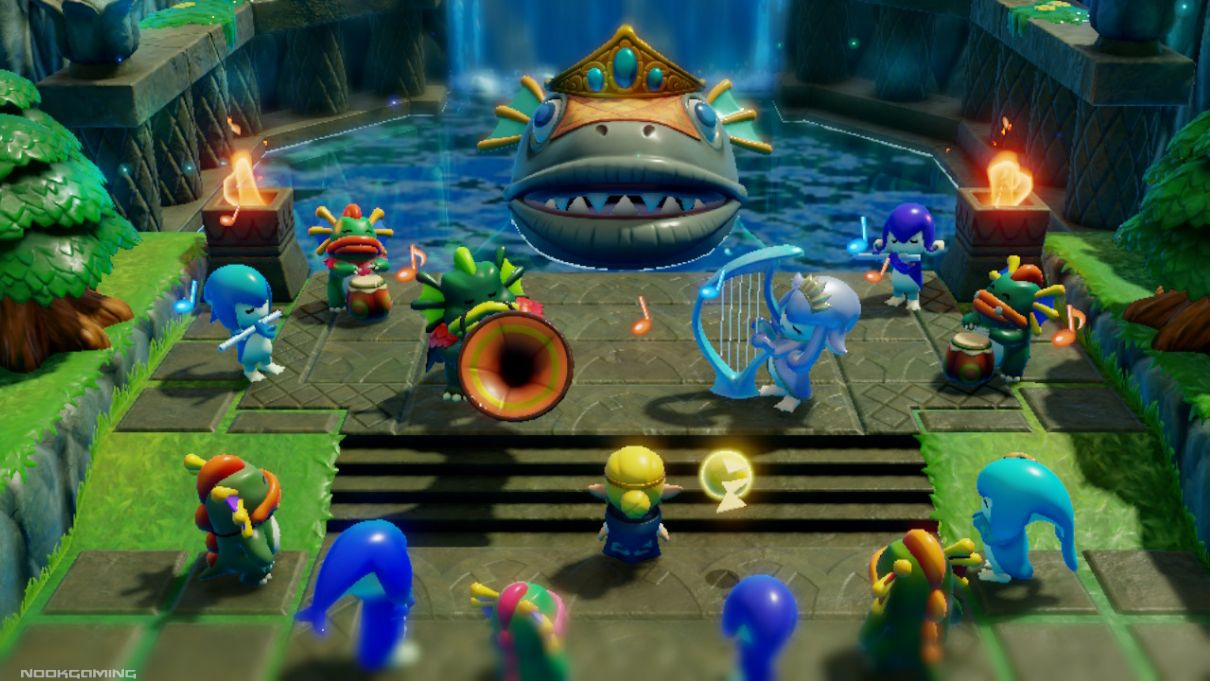
The Legend of Zelda: Echoes of Wisdom can be purchased physically from retailers or purchased digitally from the Nintendo eShop. The Nintendo Switch 2 performance enhancements come as a free update.
Hyrule Warriors
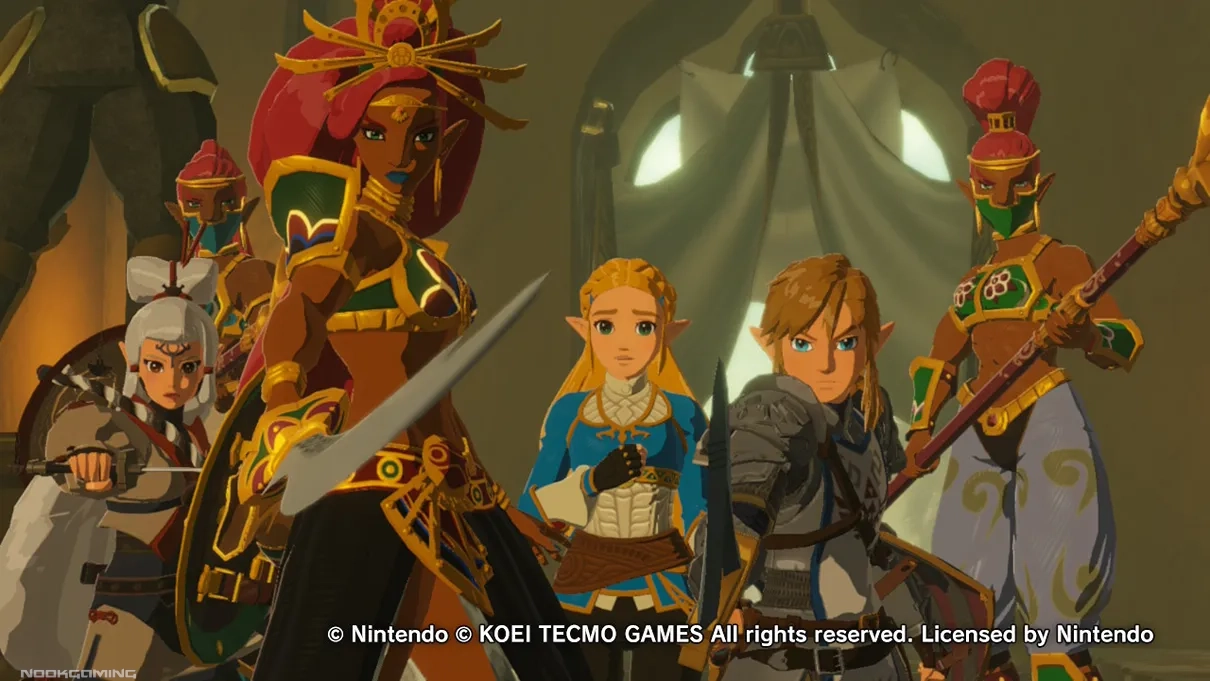
Hyrule Warriors is a series of Zelda-themed Warriors games with two released entries, and a third scheduled for this winter. These are very different, action-focused games that will have you wiping out hordes of enemies rather than doing puzzle-solving. They feature a lot of fanservice and callbacks to their respective games, and can keep players busy for a very long time. These are great choices once you’ve grown experienced with the series and want to see it in a new light.
Hyrule Warriors: Definitive Edition is the culmination of the contents from the original Hyrule Warriors on Wii U, all of its DLC, and Hyrule Warriors: Legends on 3DS. These games combine elements from across all of the major 3D installments up to Skyward Sword, as well as some of the handheld games. Definitive Edition rallies it all together in a single, seamless package with improved performance and graphics. It presents a new story with a new version of Link, Zelda, and other familiar faces alongside brand new ones. It is fully backwards compatible with Nintendo Switch 2, running at a smoother framerate, having shorter load times, and running at a higher resolution in handheld mode.
Hyrule Warriors: Age of Calamity presents itself as a prequel to The Legend of Zelda: Breath of the Wild. Naturally, this means that this game heavily spoils that one, and should not be played until Breath of the Wild is completed. It focused almost solely on that game in terms of content, featuring characters, locations, and music from only it, rather than having any crossover elements. Gameplay and aesthetics also takes some cues from Breath of the Wild as well, though it is very much still a Warriors game at heart. I wholeheartedly recommend playing Age of Calamity on Nintendo Switch 2, as it is naturally a much smoother game on it compared to Switch 1.
Hyrule Warriors: Age of Imprisonment is a canon prequel to The Legend of Zelda: Tears of the Kingdom, and as such it naturally spoils many of the mysteries present in the latter game. Age of Imprisonment is very story-driven and gives a lot of context as to what’s happening in the past of Tears of the Kingdom, and how it relates to that game’s events unfolding. As such, I would recommend waiting to play Age of Imprisonment until after completing Tears of the Kingdom. Like Age of Calamity, the aesthetics and tone of the game take after its source material, but it is still a proper Warriors game in terms of how it plays.
Hyrule Warriors: Definitive Edition, Hyrule Warriors: Age of Calamity, and Hyrule Warriors: Age of Imprisonment can be purchased physically at retailers or purchased digitally from the Nintendo eShop.
Where Do I Start?
For players who want something humongous and modern, I would recommend starting with The Legend of Zelda: Breath of the Wild – Nintendo Switch 2 Edition, and then working your way towards The Legend of Zelda: Tears of the Kingdom – Nintendo Switch 2 Edition.
For players who want something top-down and old-school, I would recommend the original The Legend of Zelda game on NES Classics. From there, you can work your way to Zelda II: The Adventure of Link, and then The Legend of Zelda: A Link to the Past.
For players who want something puzzle-oriented, I would recommend starting with The Legend of Zelda: Link’s Awakening, and then moving on to The Legend of Zelda: Oracle of Ages and Oracle of Seasons. The Legend of Zelda: The Minish Cap is also a fine beginner’s pick.
For players who want something more story and character-focused, starting at The Legend of Zelda: Ocarina of Time and working your way up through the 3D games is a fine choice.
For players who are new to action-adventure games in general, start with The Legend of Zelda: The Wind Waker.
If you wanna check out more on the Nintendo Switch 2, take a look at our review Donkey Kong Bananza (Switch 2 exclusive) or Donkey Kong Country Returns HD (now with improved load times on Nintendo Switch 2!). Or you could check out our review of the Nintendo Switch 2 console itself.

A hobbyist who took up the pen to write about their favorite pastime: games. While a lover of many genres, Isaiah Parker specializes in Platformers, RPGs, and competitive multiplayer titles. The easiest way into his heart is to have great core gameplay mechanics. Self-proclaimed world’s biggest Sonic fan. Follow him @ZinogreVolt