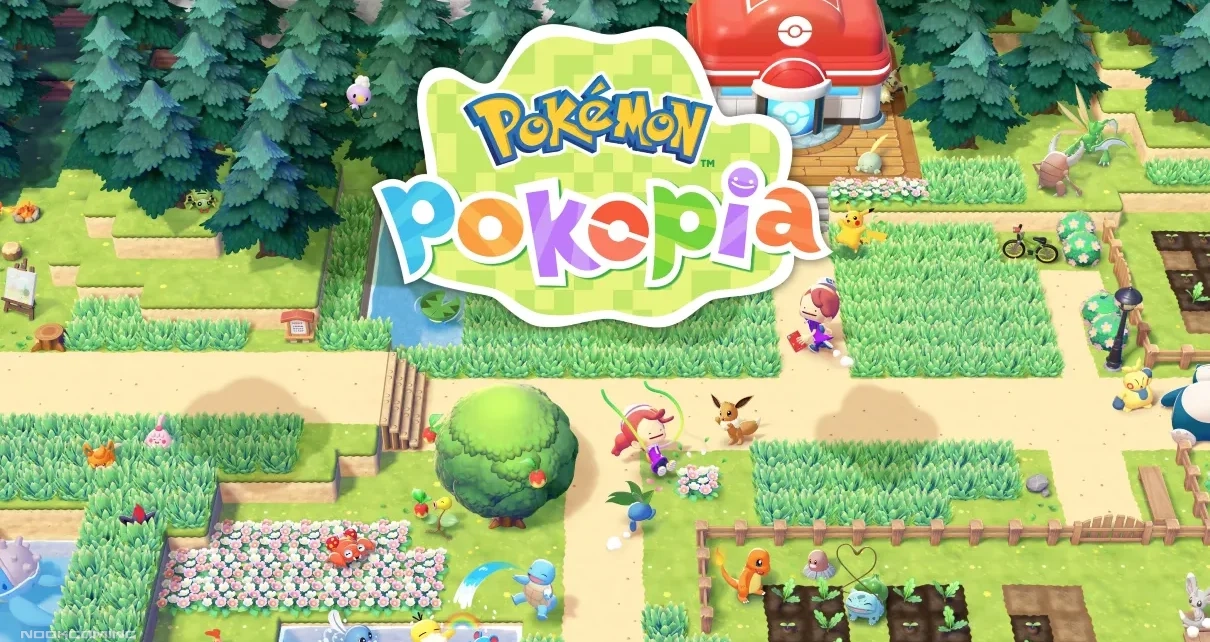
The first new Pokémon game exclusively for the Nintendo Switch 2 is finally here. And while we have to wait a bit longer for Generation 10’s set of RPG adventures, Game Freak have collaborated with Koei Tecmo’s Omega Force team to bring us a bit of a different kind of Pokémon adventure: Pokémon Pokopia.
Much of the team behind Pokémon Pokopia are the same as the group that brought us Dragon Quest Builders 2 (including one of the co-directors), bringing the blocky sandbox simulation gameplay to the Pokémon franchise. Here, you play as a Ditto that uses its signature transform ability to turn into their original trainer and explore a world where Pokémon trainers have mysteriously disappeared. As someone who considers Ditto to be one of my favorite Pokémon, that fact alone had me intrigued enough to express interest in the game, but what I got from Pokopia was…certainly a lot more than I had expected.
A World of Pokémon Awaits!
I’ve said for many years that many of the best Pokémon spinoffs are the titles where Pokémon are allowed to feel like the true stars of the show. Outside of the cult-favorite Pokémon Mystery Dungeon spinoffs, most of the RPGs focus on the human characters, with the Pokémon often feeling more like a means to the end that is the battle system than a deeply integrated component in the moment-to-moment situations of those games. Pokémon Pokopia is an entry that falls into that less-filled column of Pokémon games that truly feature the Pokémon as the focal cast and let you interact with them as their own characters. Each Pokémon speaks basically the same language here when you talk to them, with their signature cries (often of their name) being more used for occasional flavor text rather than their sole speech.
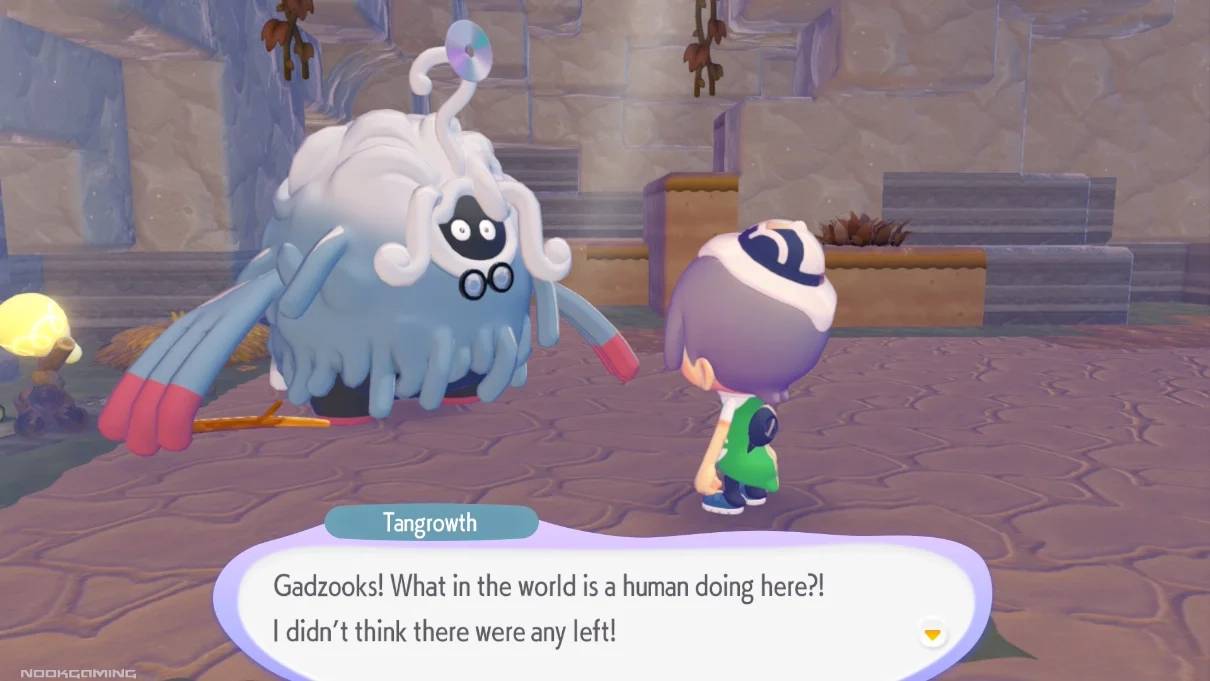
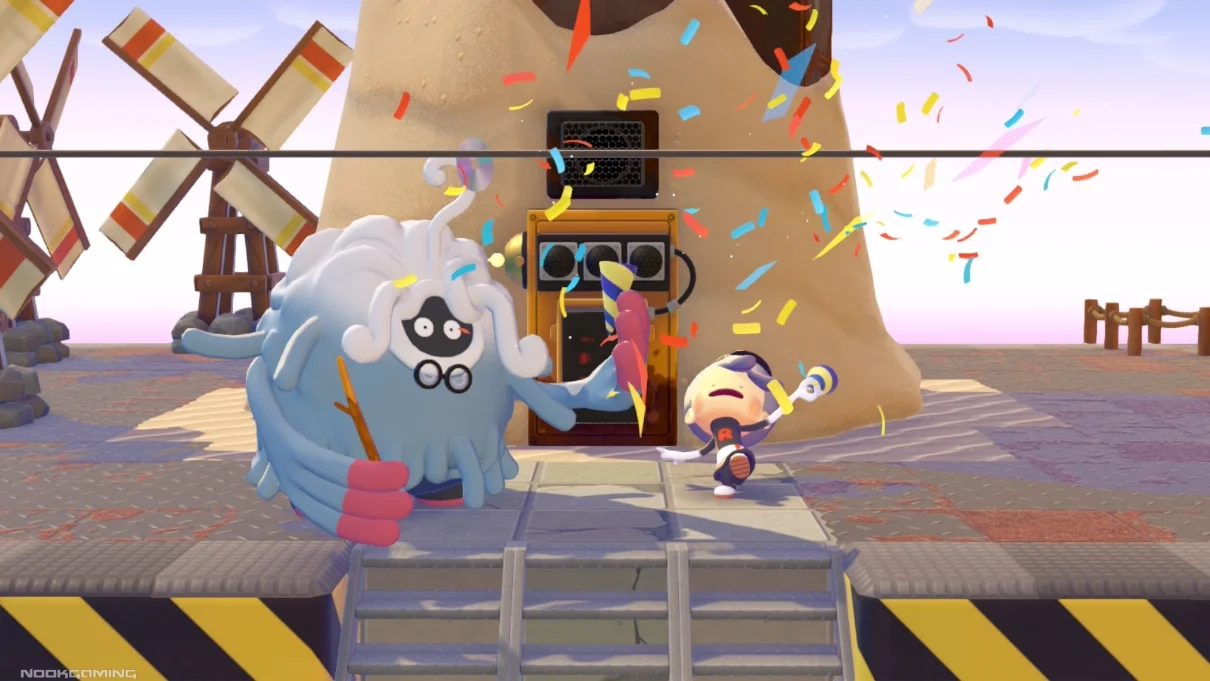
Your player character is the beloved transforming blob Ditto who takes the form of a rather cartoonish-looking human stated to resemble this Ditto’s original trainer, though like recent main games you can customize your appearance somewhat. Not long after you wake up, you meet the obligatory professor character, only this time it’s the vine bundle Pokémon Tangrowth. Tangrowth informs you that the world you live in is largely withered and dry, and the human population is suspiciously absent. With that said, it’s up to you to use your transforming powers and all the resources you can gather to turn this barren land into a thriving habitat once more for all kinds of Pokémon.
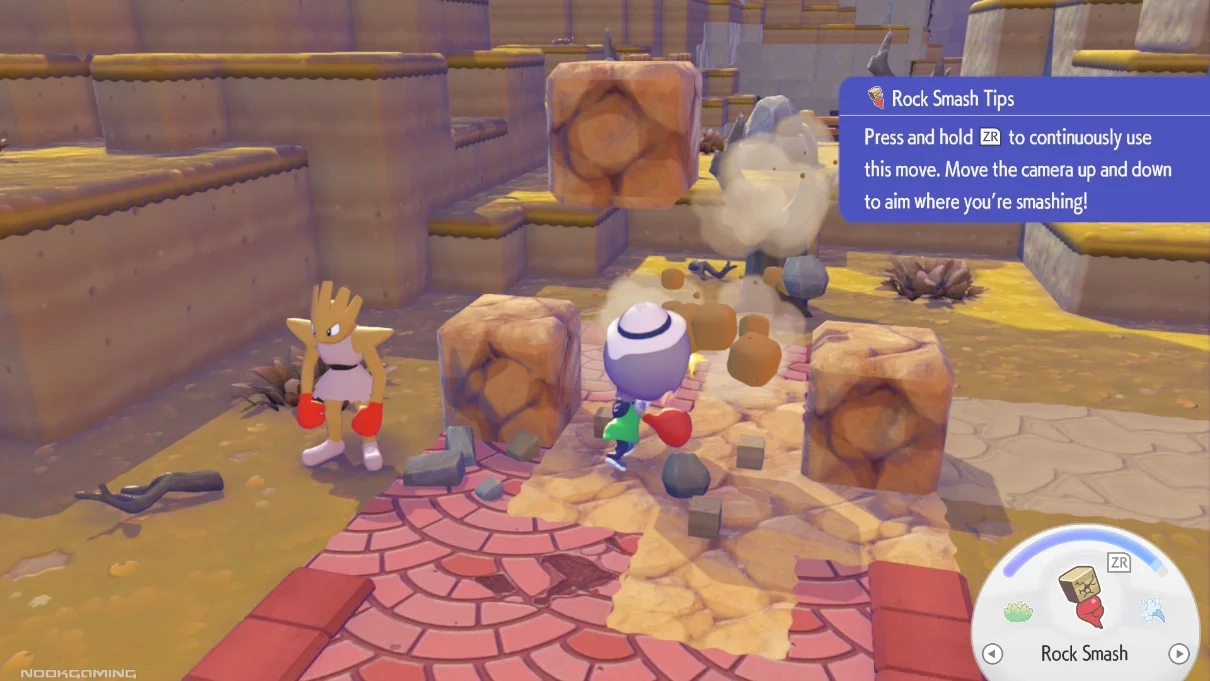
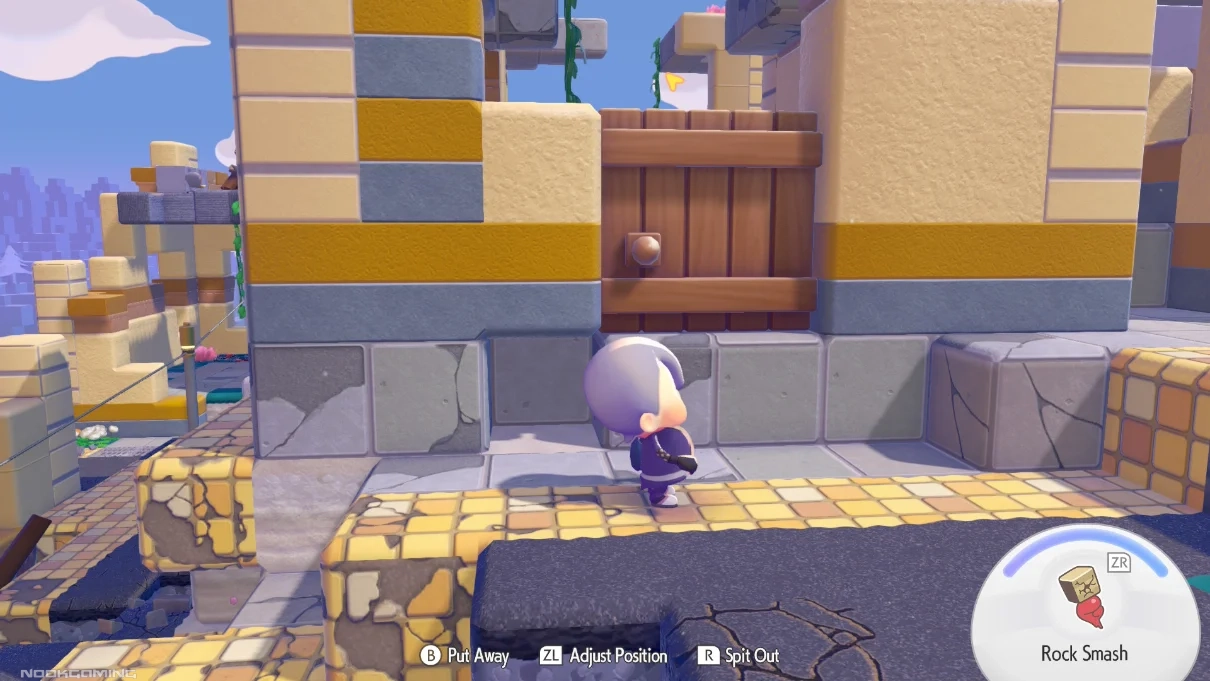
Pokémon Pokopia operates somewhere in between that of an Animal Crossing-type sim game and a Minecraft-esque exploration/crafting sandbox game. You start off by building habitats that bring various Pokémon to whichever area you set them up in. Being the malleable morpher that Ditto is, you gain access to a variety of moves for the purposes of altering the land by learning from Pokémon you come across. Water Gun waters the soil for Rototiller to till, Cut lets you slice foliage, and so on, and these moves can be surprisingly fun to use for how seemingly mundane their purposes are. Scattered across the game are crafting workbenches wherein you can craft resources, tools, decorations, and more workbenches. You can also make kits to build various housing facilities.
While simulation games usually are about getting out what you put in, and thus the work you put in is sort of the point, Pokopia has some neat little quality of life aspects and options to make that experience flexible and rarely annoying. Your inventory space is limited (though it can be expanded over the course of the game), but crafting tables allow you to at least also use resources that you put into any storage boxes you set up next to the workbench. You can craft multiples of anything you have the resources in your inventory to make all at once rather than one at a time, and it’s rather quick to do so. You can hold down the grab button to suck up any loose objects on the ground around you like a vacuum rather than having to pick them up one by one. You can power up your moves to augment their usefulness later on, and you can use Rototiller to move small plants (e.g. flowers, grass, vegetables) around easier rather than having to cut them out of the ground and plant new seeds just to shuffle them around. You also unlock several really neat moves for moving around quicker, and there are some really cool devices you can set up in your towns to connect things easier.
Building a Community
I’ve never been the biggest fan of actually catching Pokémon en masse since they usually just end up taking up a permanent residence in PC storage. Pokémon Pokopia is perhaps the game in this franchise that I’ve enjoyed the collecting aspect of more than any other. There’s a certain joy to setting up dozens of habitats and coming back to find a rustling bush or an excited tenant pop up to take residence in the area . Pokémon actually talk to you and feel like they become a part of whatever community you have set up in a given area. Pokémon are by and large very jovial with their dialogue, and while there isn’t a massive range of expression here, each Pokémon has at least a little bit of personality to separate them somewhat. You also see them interacting with the Pokémon around them quite frequently, playing with them and talking about them as friends. They also have a variety of functions and skills to contribute.
While Ditto can do much of the work, there’s only so much the player character can do by themself, so you’ll have to ask for assistance from nearby inhabitants. Each Pokémon has a special ability to allow them to perform functions that only a select few Pokémon have available. Fire type Pokémon can be used for things like smelting and turning clay into bricks, recycling Pokémon (e.g. Trubbish) can turn waste into useful building materials, Pokémon with the chop ability (e.g. Scyther) can turn logs into lumber, et cetera. Large structures also require not just building materials but many Pokémon to work on them at once, which means that having more Pokémon in an area to work on projects is quite handy. These projects often take real time to finish (unless you decide to alter your Switch 2’s system clock), though you can thankfully still interact with the Pokémon you’ve assigned to a project for a more limited range of purposes. If you need a lot of a resource very quickly, you can also just give multiple Pokemon with the same ability the same task to split the work.
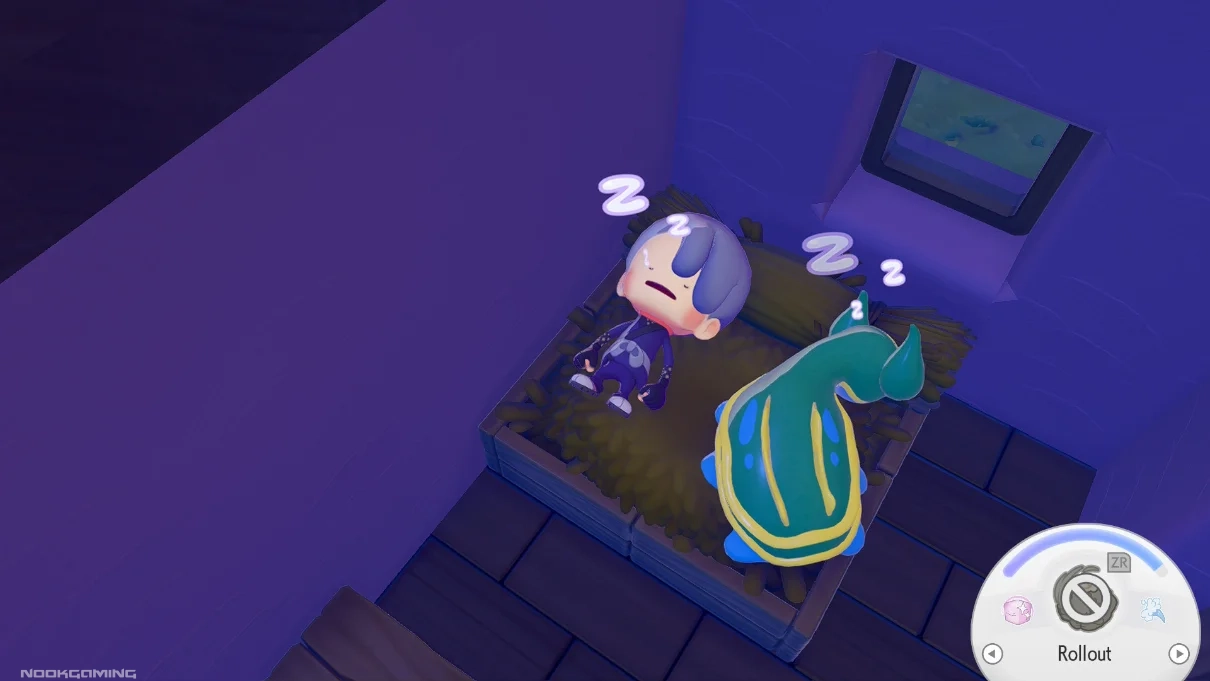
There are a few hundred different Pokémon available, with representation from each of the nine generations thus far. Most of them maintain a fairly standard appearance, though there are a few unique ones like Professor Tangrowth or a Greedent with a cooking pot on its head named Chef Dente. You’re bound to find at least a few of your favorites in this game. It’s worth noting that you can only have one Pokémon of each species in your game at any time, although different stages of an evolution line (e.g. Bulbasaur and Ivysaur) are treated as separate species.
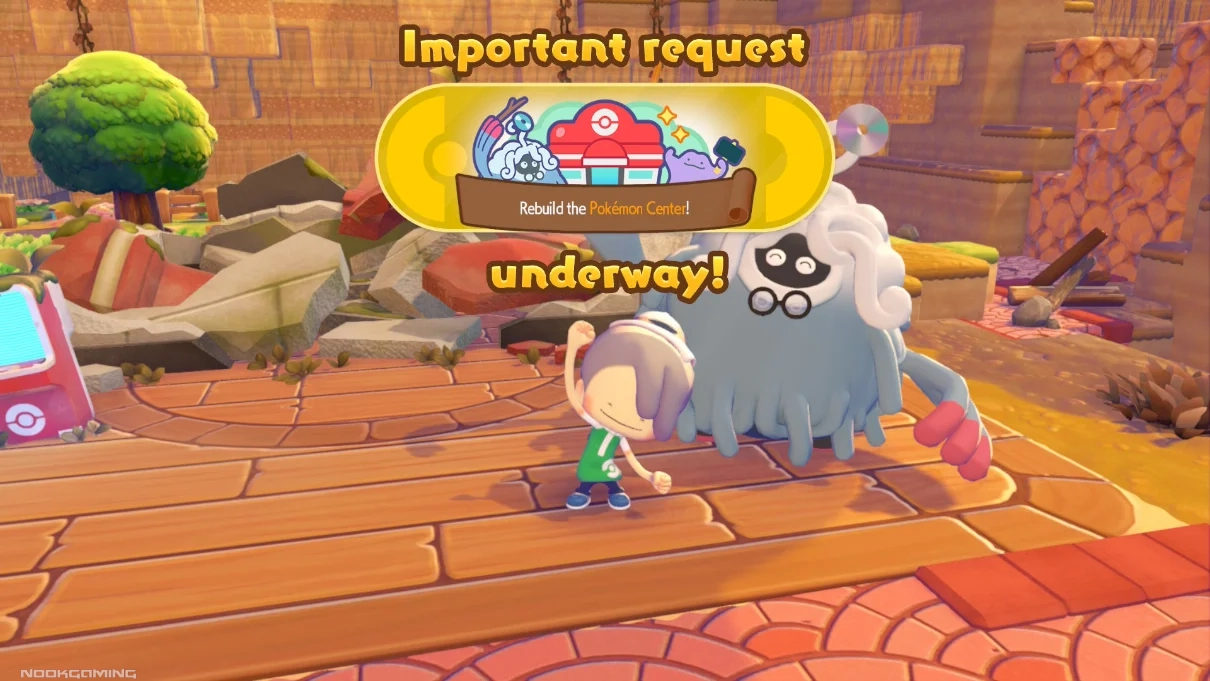
There are several different areas which offer you the opportunity to find various different Pokémon, with each area having conditions and little sections that make it much easier to find certain species there than the others. If you want you can also relocate Pokémon from one area to another. While you can enjoy standard simulation game activities like cultivating resources and building houses in addition to filling out your Pokédex, there are various different requests you can take along the way. Each area has a few “Important Requests” that effectively serve as your main objective for the game and that you need to take care of to access the credits and “post-game”, but many Pokémon also give you optional quests like getting them some desired item or altering their dwelling spaces. As you make each Pokémon happier with their living situation, you build up the community level of each area, with level 5 being the benchmark for “completing” an area for story purposes (though it can go higher). It’s also just a nice thing to do and Pokémon will often give you little gifts to thank you for your friendship.
For the most part, everything works well. I ran into a couple issues here and there, such as my recurring problems with the way water works when trying to set up irrigation and a seemingly glitched side request that I wasn’t able to complete despite meeting the conditions, but these were infrequent problems and didn’t diminish my enjoyment of the game all that substantially.
Is It All Worth It?
The question at the front of my mind when I saw trailers for Pokémon Pokopia was whether or not this game was worth shelling out 70$ USD / £59 GBP for. After all, simulation games are a lot less about spectacle, cinematics, or “next gen” excitement than most other genres. I can tell you that playing through to the credits gave me a solid 25–30 hours of playtime, but I’m generally a function-over-form player who is less interested in whittling away hours on development projects and making everything look extremely clean than many when it comes to this genre. I can tell you it’s a very well made game on the whole, but being well made does not by itself make a game worth a full price purchase on its own.
A lot of the appeal to this genre is that you get back what you put in and you can make your own fun. Many of the tasks in these games can have a seemingly mundane feel to them, but it’s fun and rewarding to see the fruits of your labor when you finish something you set out to do. But this is true of many games in the genre, and you’re not hurting for choice on good ones. Pokémon Pokopia is a charming looking game, and offers a pretty decent sense of size and scale when you look at things from above, but its visual style is relatively simple so as to not be overly distracting.
The game has a number of Switch 2 related features to add some nice perks to the experience. You can visit other peoples’ worlds, take note of their habitat setups, and there’s even an additional area of Palette Town which operates as a multiplayer sandbox. You can also use the Switch 2 Joycon’s mouse controls to have a bit of finer control on where you place blocks and objects, though it’s obviously not quite as robust as doing it on a PC game.Especially for a portable system like the Switch 2, this is all well and good, and particularly in line with the Pokémon franchise’s historic emphasis on community and interacting with other players.
What truly makes Pokémon Pokopia worth playing is that it is just fundamentally a really good game. It does so many things it sets out to do right. It also makes for some of the most well thought out uses of the Pokémon IP I’ve seen in a Pokémon spinoff and keeps true to what makes Pokémon so fun and beloved. Although Pokopia maintains obvious similarities to other games, it always feels distinctly and creatively Pokémon. From the moves, the roster, the items you find, the “oh that makes sense” way things operate, it’s all intrinsically Pokémon in the best ways possible. While I can say that if you enjoy simulation games, I imagine this game will be fun for you even if you’ve never played Pokémon because of its innate charm, chances are if you’ve read this far you’re already very familiar with this franchise. Thus, I think it’s a great game for fans especially. And I have to talk about the particular way this game speaks to me as a fan of in particular.
I’m Getting Older Too
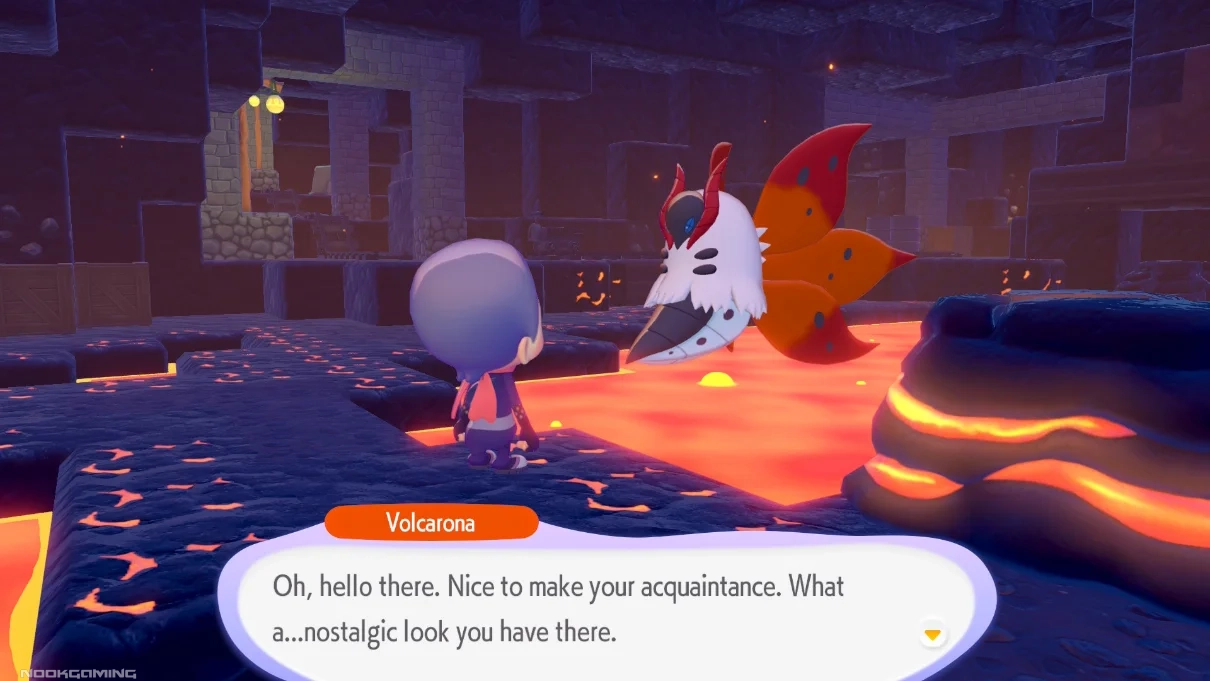
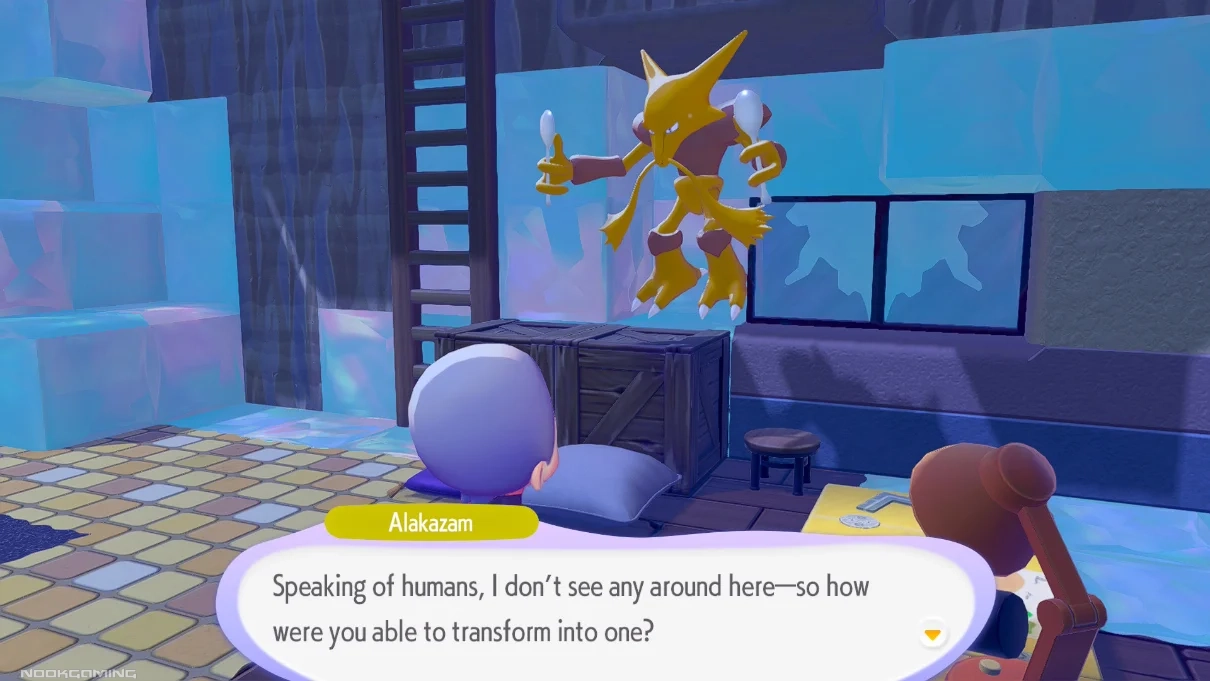
Within a short time of playing Pokémon Pokopia, it becomes clear that the location you’re in is supposed to be the Kanto region from Generation 1. Pokémon has never been shy about revisiting Kanto, but this is Kanto unlike you’ve ever seen it. The areas are all run down and feel completely abandoned, even getting names like Withered Wasteland and Bleak Beach. While the Pokémon you meet are usually quite chipper, there’s a slight underlying air of melancholy that permeates throughout much of the experience. The music is usually relatively relaxed and easy to listen to, but there’s a subtle pensive layer to many of the remixes and arrangements of many familiar tunes. The Pokémon often speak about humans who lived here, often with adoration and sometimes with a bit of contempt, but it’s clear that people are just not here anymore.
Throughout your adventure you can find notes, memos, tablets, and all sorts of scattered writings left by the human population. Some of them are of the day to day activities of the people who lived around here, some are the writings of adults and children about the Pokémon they live with, but some of them really start to paint the picture of what happened here and where they all went. There’s a somber feeling to reading these writings, and just as important as what is said here is what goes unsaid as you’re left to ponder what happened. As you start to piece together the puzzle, Pokopia hits close to home on a very real, harrowing, and existential subject that many people growing up in the 21st century have felt.
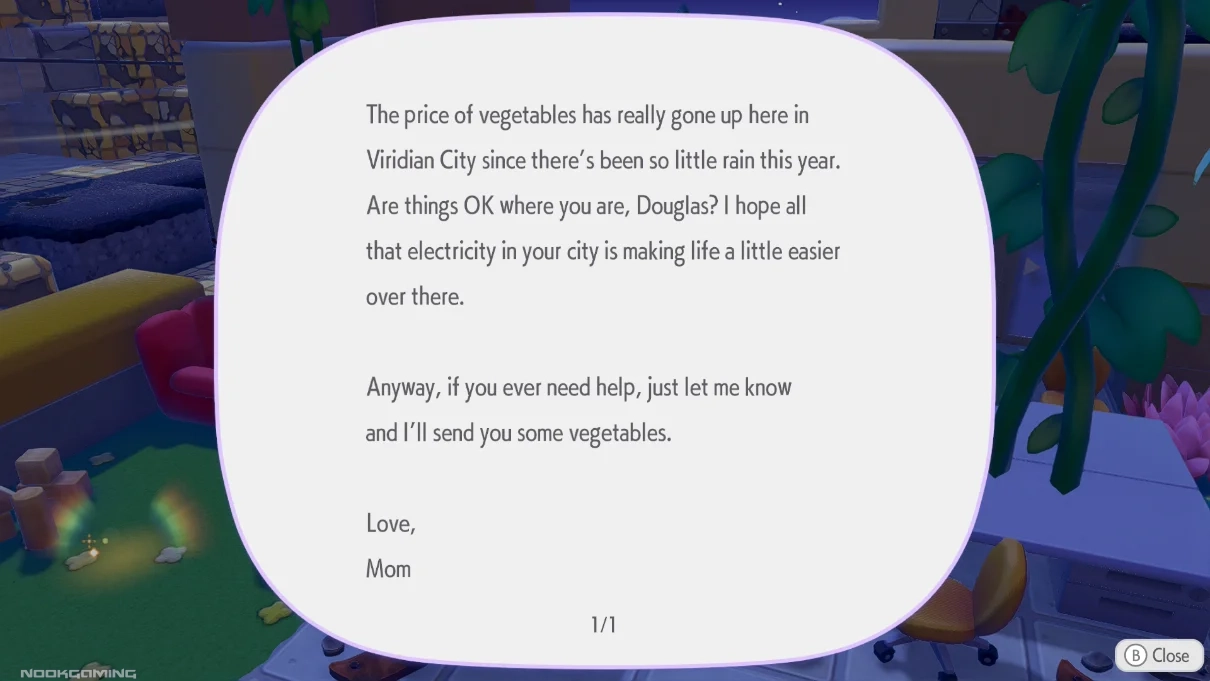
This is the second time a Pokémon game has ever made me actually tear up from playing it. While Pokémon Mystery Dungeon: Explorers of Sky accomplished this with its message that you matter and deserve to exist, Pokémon Pokopia did so by really getting me to evaluate my relationship with this franchise and everything it has meant to me over the years. Though the last new release before Pokopia that I played was Legends Arceus four years prior and I’ve not felt the same love for Pokémon in recent years as my tastes have shifted, it has nonetheless been an inseparable part of my life for nearly thirty years now. I’ve made some of my closest friends bonding over this series with our experiences, from trading with each other in the RPGs to going to local parks during the early Pokémon Go craze. Hell, I’m wearing my Eeveelution tee while typing this, and the dresser behind my desk has no less than seven plushes of these creatures below some prints of Magikarp and Gyarados.
This iteration of Kanto is both familiar to and yet very distant from the one I know and love. It offers a speculative look into a different world of Pokémon than the series has really ever gone for. While Pokopia is still very much upbeat and at times silly for much of its playtime, there were times I’d just read a log, put my controller down and sit there to really think about both this world of Pokémon I have spent so much of my life in, as well as the world I live in outside of video games. A lot in this game is left for you to decide how to feel about, and for me a lot of it involves contemplating how the passage of time has shaped me as a person, both in general and in my relation to this series. The final scene and credits moved me in a way I did not and could not have expected, and will probably stick with me for a very long time.
Verdict
As a simulation game and as a sandbox game, Pokémon Pokopia does a lot of things very well. Time just melts away as you get immersed in doing all sorts of tasks and hanging out in this world of Pokémon. It uses the Pokémon very IP well in how it uses theming in its aesthetic and gameplay to create a world that is both familiar yet quite unlike anything I’ve seen thus far in the franchise. Its story hits in a way I never saw coming, in a way this series has only ever once done before for me. In all, it’s one of the first true “must own” games for the relatively nascent Nintendo Switch 2’s library.
Pokémon Pokopia reminded me just how much love I have had for Pokémon across my life. I’ve never had a game confront me on what it means to be a fan of it quite like this one did. And for all the fun I had playing the game, I think that’s going to stick with me more out of anything.
POKÉMON POKOPIA IS HIGHLY RECOMMENDED

If you are looking for another Switch 2 Pokémon game, you might want to check out our review of Pokémon Legends: Z-A. If you’re looking for other simulation games, you might also be interested in Rune Factory: Guardians of Azuma.
Many thanks go to Nintendo for a Nintendo Switch 2 review code for Pokémon Pokopia.
Been playing games since my papa gave me an NES controller in the early 90’s. I play games of almost all genres, but especially focus role-playing, action, and puzzle-platform games. Also an enjoyer of many niche things ranging from speedrunning to obscure music from all over the world.