Mixing the hack ‘n’ slash action of Warriors/Musou gameplay with roguelite progression, Warriors: Abyss came out of nowhere to put a new spin on the Warriors series. It lets you run through the four levels of hell as over 100 characters from Dynasty Warriors and Samurai Warriors, no run being quite the same as the last.
Fighting an Ancient God
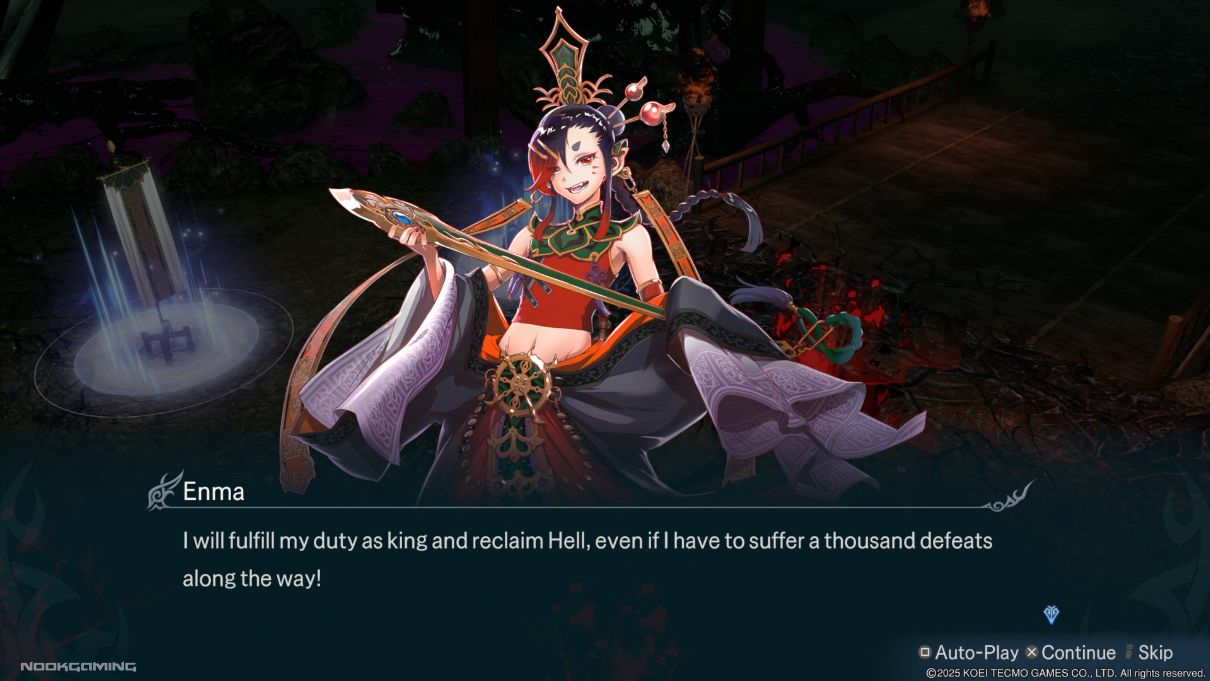
Summoned to hell by King Enma, the ruler of the underworld, it’s explained that hell has been taken over by Gouma, an ancient god. Enma was ambushed, and his power was weakened so much that all he can do is summon heroes from another world and give them some help.
While we see occasional dialogue expanding on King Enma’s history and what happened with Gouma, this is kept to a minimum. Likely due to the interchangeable role of the summoned hero, they don’t play much of a role. It’s a fairly minimal story, which is all that’s really needed for this type of title. It points you toward the boss and gives you a good reason to slaughter the hundreds of thousands of enemies in your way.
Four Layers of Hell
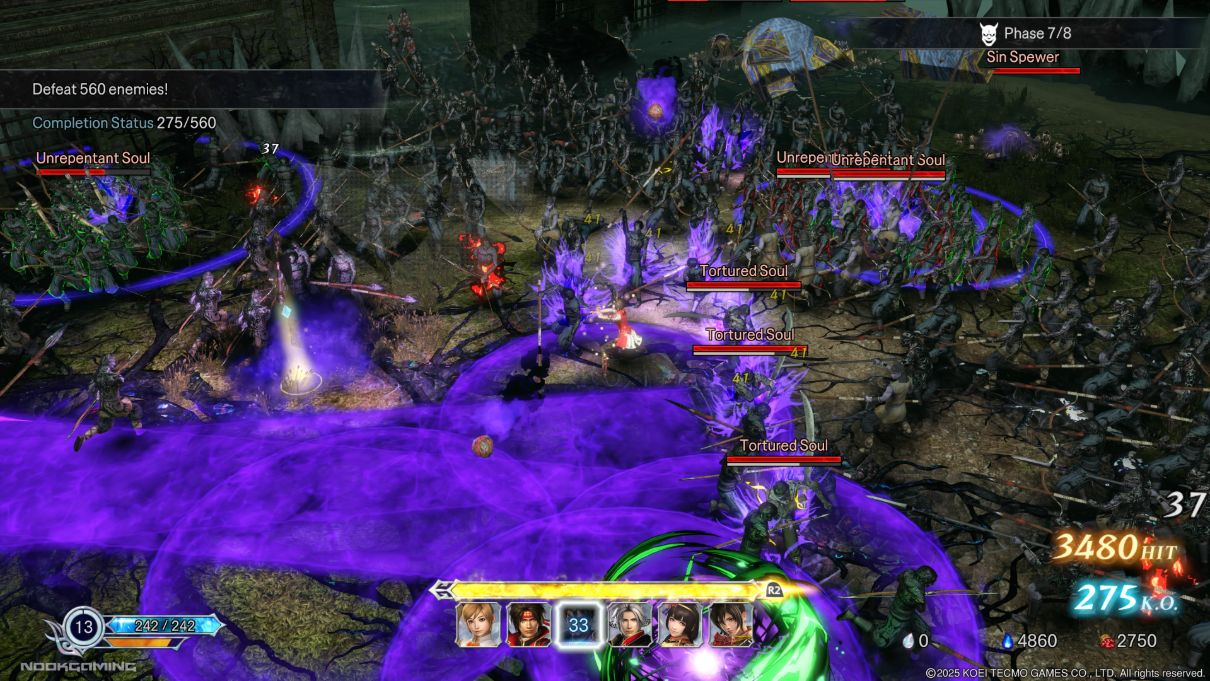
The gameplay loop of Warriors: Abyss has you fight through four levels of hell, each of which has eight phases, with the final one being a boss level. The objective of most stages is to defeat a number of enemies, the amount of which constantly increases as you proceed. It also sometimes throws in harder levels and missions with additional enemies or mini-bosses as well.
At first, it seems like fairly typical hack ‘n’ slash Warriors/Musou gameplay. You can use combos of normal and strong attacks mixed with the occasional special attack to deliver a beatdown to tons of enemies. The roguelite elements soon make an appearance though in a few forms, which nicely expands things.
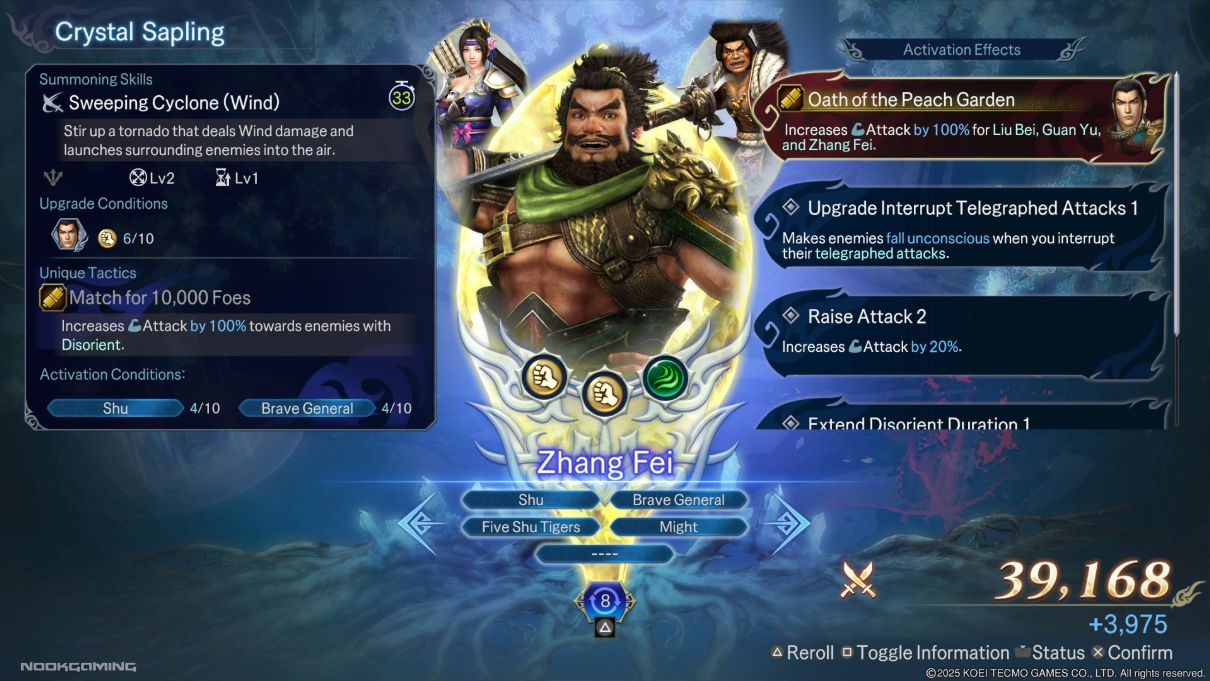
At the end of most phases, you’ll get the chance to choose one of three unlocked heroes. This has them join your formation, letting you summon them as a finisher attack as part of a combo. Heroes also have their own unlock ability conditions, which lets you improve their abilities by having several specific heroes in your party or heroes of a certain type. Finding a group with good synergy is both part of the fun and where a lot of the randomness of a run comes from. Later stages let you choose up to six of the heroes you’ve found, giving you the flexibility to experiment.
After choosing a hero, you can choose one of three routes. These lead to battle phases or occasionally health restoration points/a shop. The battle routes sometimes note certain types of heroes being available or additional challenges with their own rewards.
Deciding on your route has you balance both the more immediate difficulty with the path your growth takes. Is getting a good hero or going to the shop more important? What heroes are you most likely to get? Should you take the chance to heal and increase your maximum health but miss out on improving your skills? It’s these kinds of decisions you’ll need to make and ones that feel like they have real knock-on effects.
As well as choosing a route, you’ll find occasional opportunities to choose between three options which can affect your playthrough. One of these types of opportunities appears randomly at times and gives you options ranging from temporary attack boosts to the ability to buy an incredibly rare revival chance. The other type appears after every boss, offering you choices between different types of treasures with powerful effects. Some of these have downsides in exchange for a power up which you’ll need to consider how to handle.
The levels aren’t really particularly different from each other and most phases will end in you choosing another hero and to move onto another battle, so I can’t say there’s a huge amount of variety in terms of gameplay loop. Still, the choices made introduce enough differences to mix things up a little with having some weight to the decisions made, and the battle gameplay is satisfying no matter the route you take on a run.
Skill Up
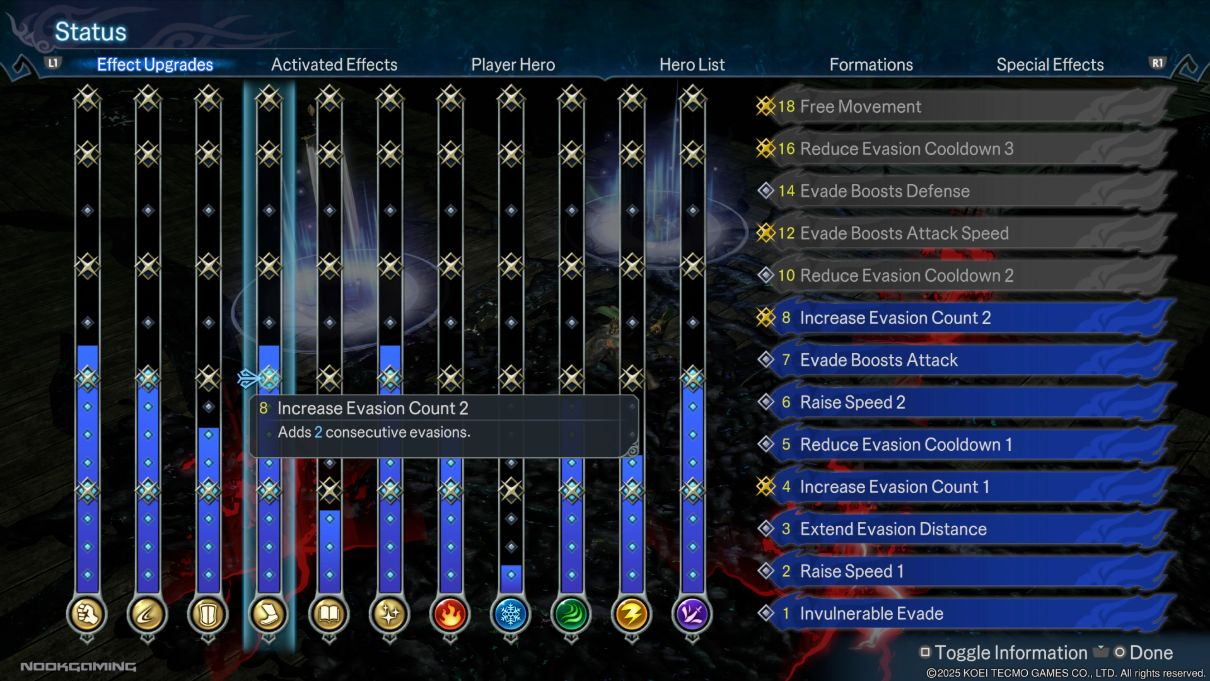
Heroes not only have their own abilities, but increase your skills too. Each acquisition of a hero for your team levels up several of your own skills, though how many and which ones vary based on the hero. Skills also occasionally drop as items or are found elsewhere too.
Each run lets you build up skills, some being fairly simple stat upgrades, while others are related to moves or abilities. The heroes you find are somewhat down to luck (with limited rerolls being available, but not always helpful), which makes each run unique to a point. That said, I did find some abilities are more useful than others, which does take away from each run feeling different a little, as not choosing particular abilities when available only hurt me.
To give an example, the first boss and final boss both have quite a wide area of attack, and bosses hit hard in Warriors: Abyss. Getting the speed skill to a high enough level to unlock a double or triple evasion dash makes them far easier to handle, so that encourages me to choose that whenever possible rather than prioritizing the defense skill path which doesn’t stop the bosses from doing quite a lot of damage.
While that is the case, other skills are more flexible and it’s interesting to pair together different skill paths and see how well it works. One I liked was increasing speed so I could dash in toward an enemy while paired with the ability to interrupt powerful telegraphed attacks. Another is increasing one of the elements like fire until it adds the element to the powerful musou attacks, paired with the ability in another skill path to make musou attacks more powerful.
Information is Power
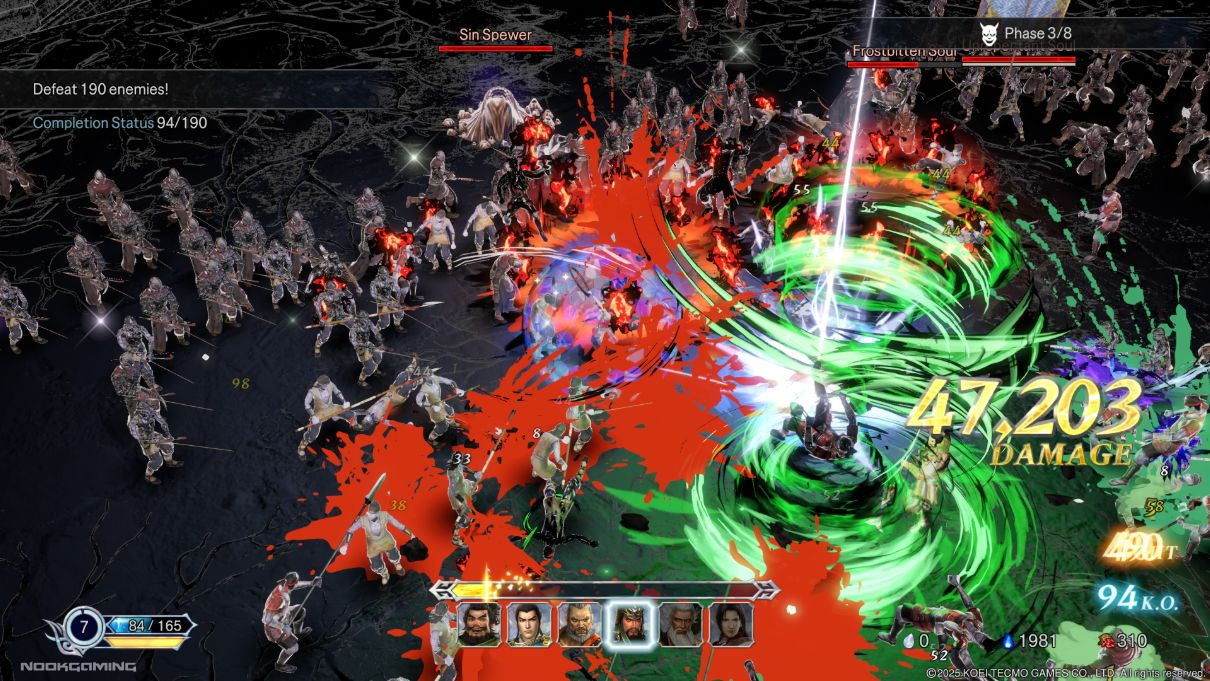
Generally speaking, Warriors/Musou games are fairly straightforward in gameplay. While just hacking and slashing got me through the earlier stages, I did find a certain level of knowledge and skill helped the further I got.
As mentioned, bosses here are powerful. The best option is not to get hit, so I found myself learning their attack patterns, making the decisions on when to use certain moves, and so on. Oddly enough, while the later bosses are more durable, excluding the final boss I actually found the first boss the most difficult in terms of dealing with their movement.
The skills link into this too. Making considerations about what I’ve unlocked informed me on how to play. One skill path involves invulnerability windows, so using those to close in on the boss through their attack or running around and attacking their back was one such choice. And again, leaning toward certain skill paths and knowing which would be helpful is key.
In the first several hours that I played, I spent a lot of it just trying out different things and learning how everything worked. I was still learning things even ten hours in when I first cleared the normal mode.
Roguelite Means Progression
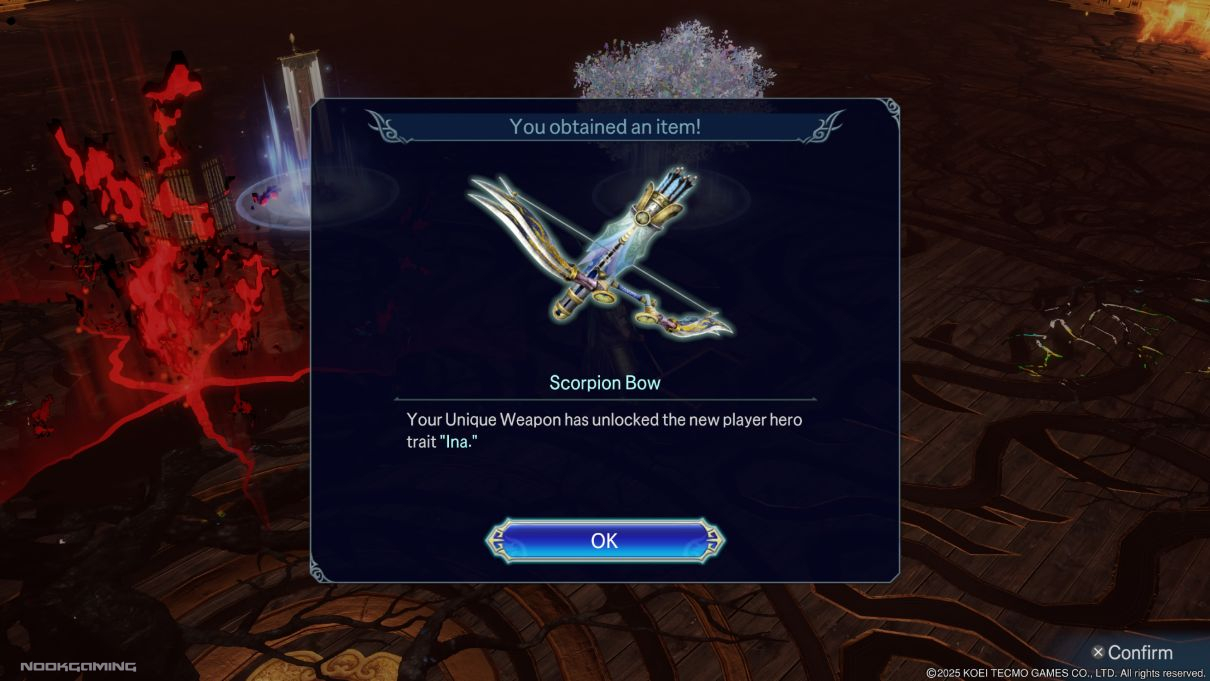
Warriors: Abyss doesn’t wipe everything at the end of a run. Probably the most obvious aspect of this is unlocking new heroes.
As you unlock heroes, they can appear at the end of phases in-game to recruit. Though on harder modes, ones you haven’t unlocked are more likely to appear but be inaccessible, adding to the motivation to unlock them. Unlocking is done via a grid where you can spend karma earned at the end of a run. This grid also has a few extras like increasing the amount of currency for the shop you begin a run with or experience gained.
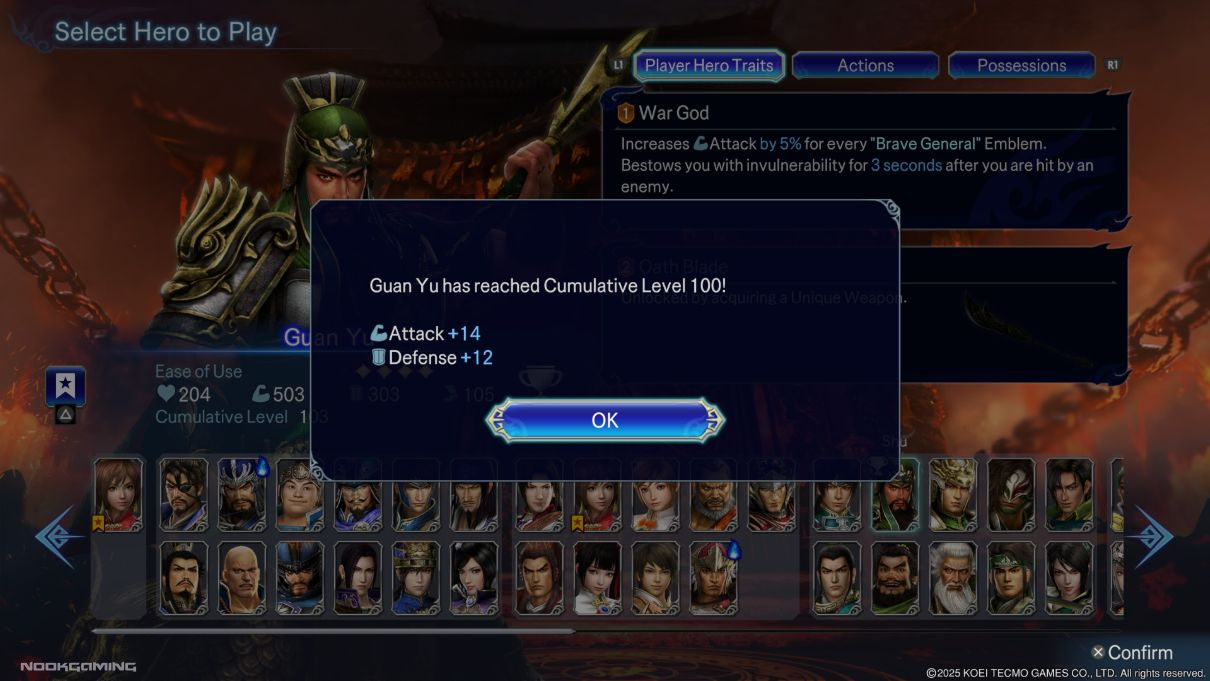
Another aspect is that when you choose a character and complete a run, the experience gained adds to their cumulative level, which increases their overall strength. This feels like both a strength and a weakness. The feeling of making progress and each run becoming slightly easier is great, but it may discourage a wide use of the huge selection of heroes.
Each hero plays at least slightly differently and they have their own difficulty rating, rather than trying to be balanced. Guan Yu for example is easy to use with higher strength. Xiaoqiao isn’t as strong or easy to use, but she has a high range on her charged attack to hit enemies during their windows of weakness. Experimenting and finding out all these differences is fun, but challenging the game with a level 1 character rather than sticking with the high-level one can be a struggle. On top of that, certain harder modes are locked to the completion of previous modes with a character so it can be time-consuming.
Warriors: Abyss will challenge most players for a good while. As you complete a mode, the next one unlocks until you reach the end. These don’t vary much in gameplay and you’re still fighting the same things mostly, but there’s an increased reward and difficulty, while adding other restrictions to limit your choices and chances to get heroes. Each one feels like a huge step up in difficulty. Between this and a huge list of weapons to unlock (which add another ability to a character), it felt like there was always a challenge or something to work toward.
Looks and Performance
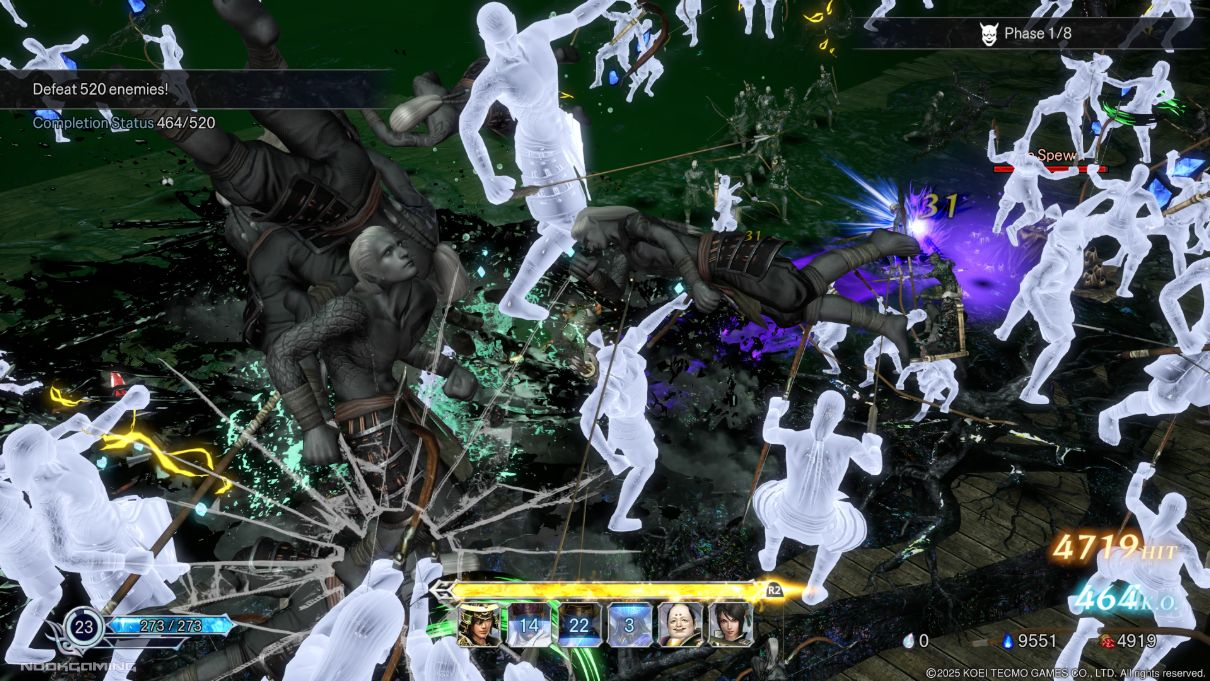
Graphically, Warriors: Abyss looks nice enough, if fairly simple. It does have some nice stylistic touches though, such as the enemies sometimes flying toward the screen when using the powerful musou attack.
Performance was smooth for the most part, at least on the PlayStation 5. Oddly I did experience some slowdown on my first attempt of fighting the final boss when he summoned tons of minions, but it hasn’t happened since.
The music is amazing, as you’d expect if you’re familiar with the Warriors series. The sound works well too and while minimal, the (Japanese-only) voice acting fits well.
Verdict
Warriors: Abyss was a pleasant surprise, particularly for its price point. There are perhaps some tweaks that could be made to the formula, but it nicely implements the roguelite gameplay with hack ‘n’ slash, creating a fun experience, if a touch repetitive as is common with Warriors games. It’s one I enjoyed and a nice one to dip into for 30 minutes here and there. The only danger is it creates that ‘one more turn’ feeling, and 30 minutes soon turns into 3 hours.
WARRIORS: ABYSS IS RECOMMENDED

If you like action games, check out our review of Ninja Gaiden II Black. We also have plenty of reviews of other games in the Warriors/Musou style, which you can check out here.
Many thanks go to Koei Tecmo for a PlayStation 5 review code for Warriors: Abyss.

A gamer since the days of Amstrad and DOS and someone who has dabbled in a variety of professions. He enjoys a wide variety of genres, but has been focusing on visual novels and virtual reality in recent years. Head Editor of NookGaming. Follow him and the website on @NookSite.