
Over a decade on from the 3DS original, Fantasy Life is back and ready to put us back to work with FANTASY LIFE i: The Girl Who Steals Time. This JRPG shows us that it’s not just swords and sorcery that save the day, but sometimes sewing and sculpting too.
Don’t Be An Idle Imp!
FANTASY LIFE i: The Girl Who Steals Time places you in the role of an assistant archeologist who ends up accidentally traveling back in time. They’re then told to ‘get a life’ to get back to their own time. Apparently, anyone without a life will turn into an ‘idle imp’.
‘Lives’ are types of jobs. 14 options are available, which can be categorized into combat, gathering, and crafting roles. You could choose to fight as a magician, gather as a miner, or craft as an alchemist. Whatever you start with, by the end, you’ll be taking on most if not all of the 14 roles.
Events quickly move on, expanding into a plot where our protagonist travels back and forth between past and present (and occasionally to another land called Ginormosia), trying to solve the puzzle behind a mysterious message, rescuing people who have been transformed into objects, and dealing with an escalating threat.

Pals with a Princess
Outside of the importance of jobs and a small optional segment focusing on the main villain, FANTASY LIFE i: The Girl Who Steals Time has a very straightforward fantasy plot with no real surprises and foreshadowing as subtle as a sledgehammer. Still, it has a lot of charm which it creates by focusing on cute moments with the adventurous Princess Rem who often guides you, and by adding in plenty of comedic moments between the characters. It’s paced well too, slowly revealing the details and building on hints already revealed.
With a few exceptions, the story is very lighthearted and has a rather silly tone. You’ll find a talking bird companion, an archeologist who repeatedly gets ‘tortured’ by a villain with cartoonish punishments like being given sweet food, and you’ll need to assist a variety of eccentric characters with their work. It expands this by adding plenty of side quests where characters have their own little stories about wanting to impress a potential paramour or who keep changing jobs. It is perhaps best not to overthink about occasionally inconsistent logic like the role of Lives, or to read too deeply into how it reinforces the stigma of unemployment, but to just sit back and enjoy as you use a variety of skills to succeed.
While it could have improved certain aspects, such as integrating Ginormosia as more than just a one-time visit, I had a lot of fun with the story. It’s worth mentioning that it’s relatively short, though, and many players will likely spend far more time engaging with the variety of optional quests and additional features than absorbing the main plot.
Hero with a Hoe
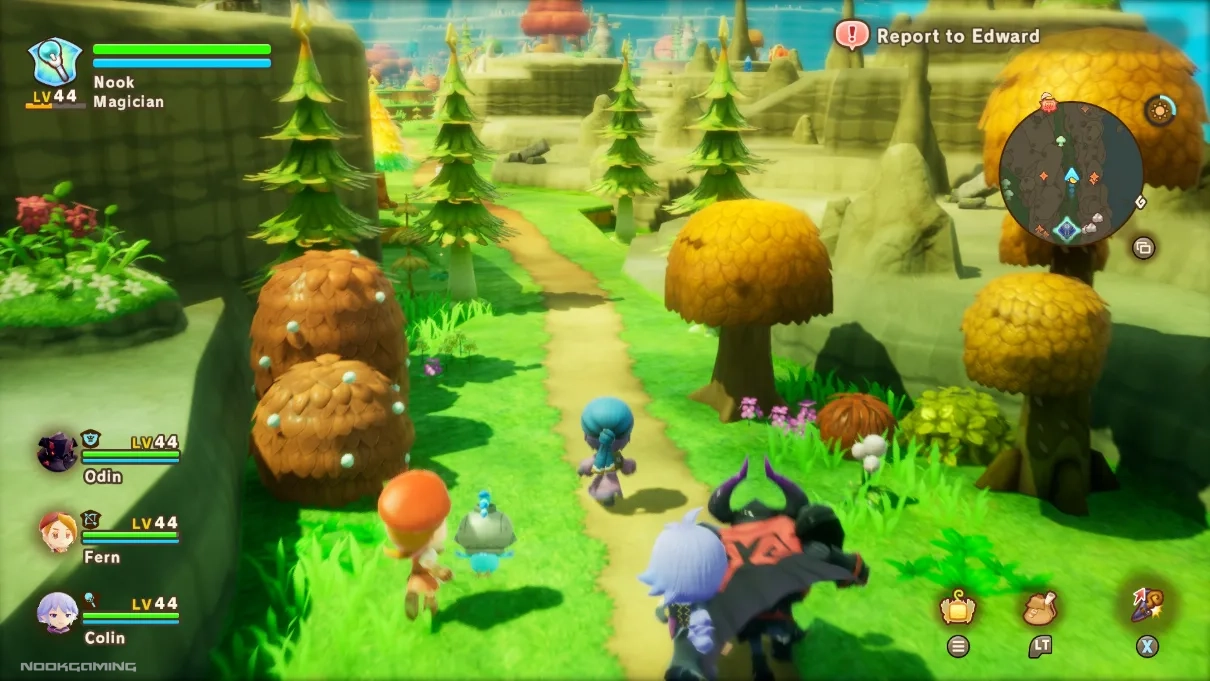
Much of FANTASY LIFE i: The Girl Who Steals Time involves completing quests, whether story-related or optional. These mostly revolve around engaging with the gameplay of Lives, which can be switched between on the fly. Most quests were standard enough, along the lines of eliminating a type of enemy or gathering/creating and then delivering some sort of item.
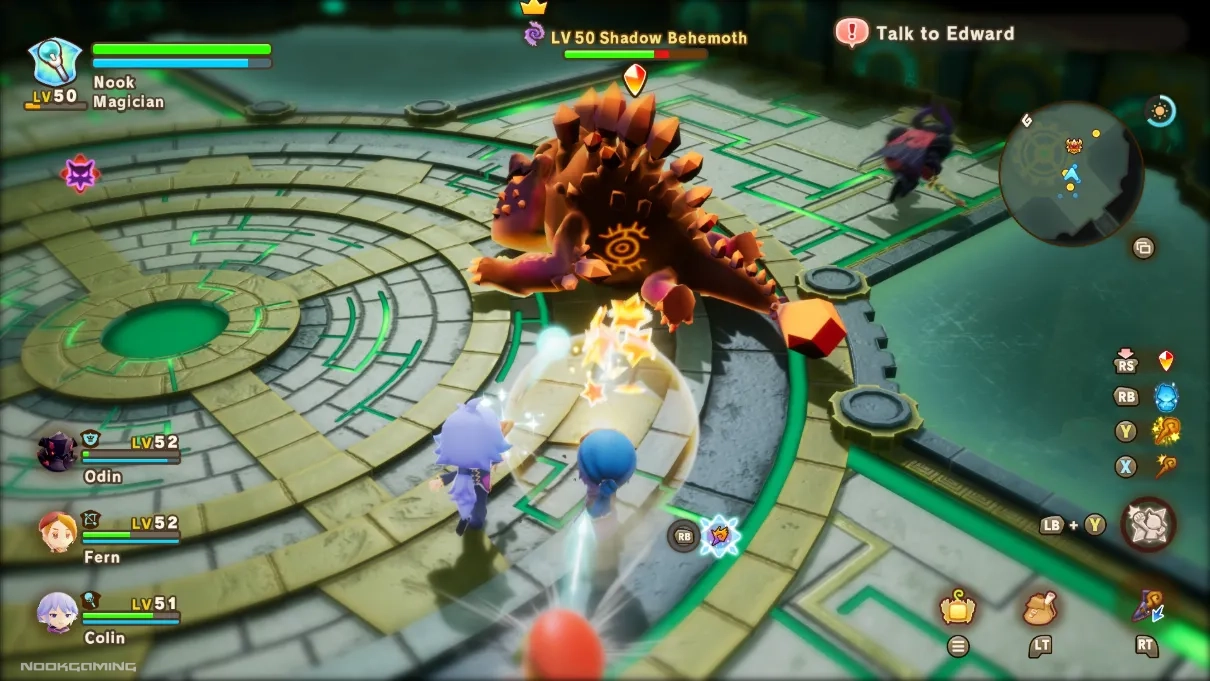
Combat Lives are a split between melee and ranged. These involve reasonably simplistic combat with light attacks, heavy attacks, and special attacks. Dodging (including perfect dodges) is possible too and can be used to great effect against enemies who are much higher level.
I spent most of my playthrough using the magician Life when in combat. Shooting magic blasts is always fun and often allowed me to let my party members distract the enemy while I did the damage. Most of my time played I had access to an attack spell, a shield spell, and a healing spell. There isn’t a huge amount of variety within the role itself.
Gathering Lives involves finding a resource and hitting it repeatedly with the appropriate tool until it drops or you run out of MP, whichever happens first. Various techniques get unlocked including more powerful hits, special moves, and finding sweet spots which do more damage.
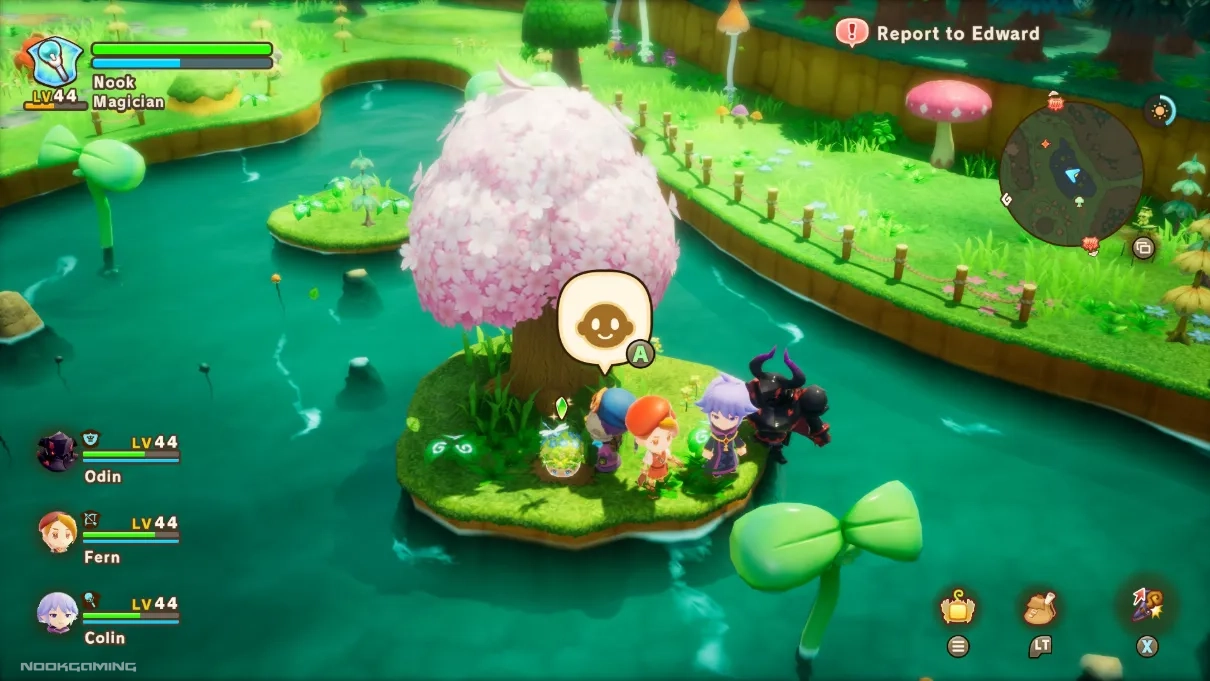
While combat is usually at the forefront of this kind of game, FANTASY LIFE i takes gathering very seriously too. Just like combat, there are levels of resources, ones that are more difficult to gather, and upgradable equipment. There are even bosses. I had to laugh the first time I started chopping down a huge cherry blossom tree and it started playing very dramatic boss music (and then subsequently ‘defeated’ me until I upgraded my equipment, increased my MP, and then came back for revenge).
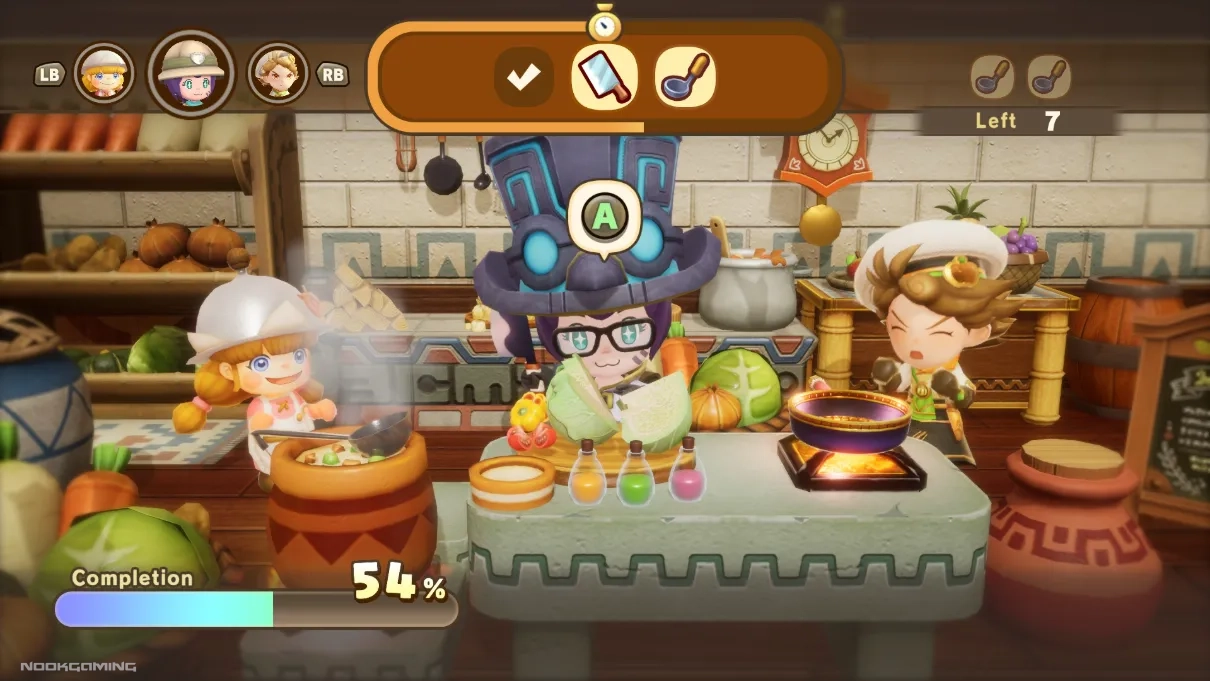
The actual activity of crafting is a minigame that is shared between all six crafting Lives, minus a few tweaks. It’s a case of selecting the correct tool of three, and then performing an action like tapping or holding the button. Performance is judged based on speed of input. Depending on both speed and your ability level, it adds a certain amount to a progress bar which needs filling up within a certain amount of turns. It can be impossible to succeed if your stats aren’t high enough. High stats and better performance lead to better or more items. All of these can unlock new abilities through a skill tree, letting you customize the direction you go in, at least to an extent.
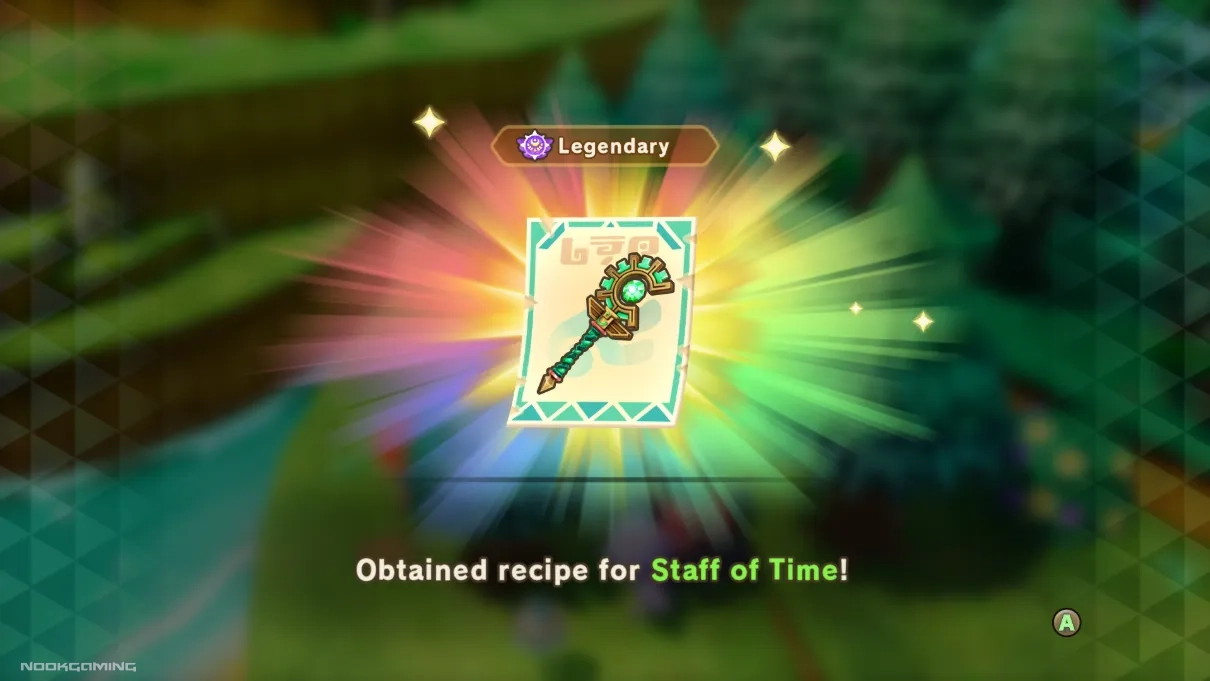
Aside from the minigame itself, you need to track down recipes through quests or elsewhere in the world and either create, find, or buy the components needed. This nicely ties into both the combat and gathering Lives. You won’t be getting that legendary sword unless you venture deep into dungeons to defeat enemies and gather materials, even if you’re a high-level blacksmith. All roles are important and need to work together, which is echoed through both the story and gameplay.
Work-Life Balance
One issue I did find with FANTASY LIFE i: The Girl Who Steals Time was that the balance is somewhat precarious.
You can advance in your various Lives in a few ways, but one important one is by completing a small set of quests for promotions. If you don’t do this, you won’t be able to unlock certain skills or recipes.
Quests are along the lines of “mine 10 iron”, get a certain rating while mining iron 10 times, and so on. The problem is that you can finish your business in the areas that have iron long before these goals are met. Then you follow the story and move to the areas with silver, gold, and so on without unlocking the quests related to these. This means either having to stay back and grind out iron mining or returning later and then repeating all the areas you missed. This is the case for all of the gathering Lives.
As well, it does feel like some Lives don’t need to be focused on at times. It’s often possible to buy tools or get good ones via drops, particularly near the end of the game. Many components and pieces of equipment can just be bought. Using bought gear is enough to clear the story with. It’s only really post-game content or specific optional quests that may require some Lives to be unlocked at all, outside of one story quest near the end. In my case, I only unlocked fishing and tailoring just before the end of the story. I even managed to beat a level 50 farming task with lvl 9, a farmer party member, and a good hoe.
I should also mention that while I spent plenty of time completing optional objectives and wandering around, I quite often found myself out-leveled by enemies and finding too high requirements for gathering whenever I continued the story.
I do think that FANTASY LIFE i is best explored slowly. Not just because you’ll find yourself underleveled quickly if you try to speed through the story, but because there’s a ton to explore, with plenty of optional dungeons, party members to unlock, quests, and other features. This is very much a slow-life game, despite a somewhat typical fantasy story being part of it, and a lot of the fun is exploring, finding new recipes, and doing things like decorating your house and building your village. But even if you do complete it quickly, you can continue in the post-game, as well as explore plenty of new content. And while you can’t do everything in multiplayer, a lot of these more casual tasks you can.
Style and Speech
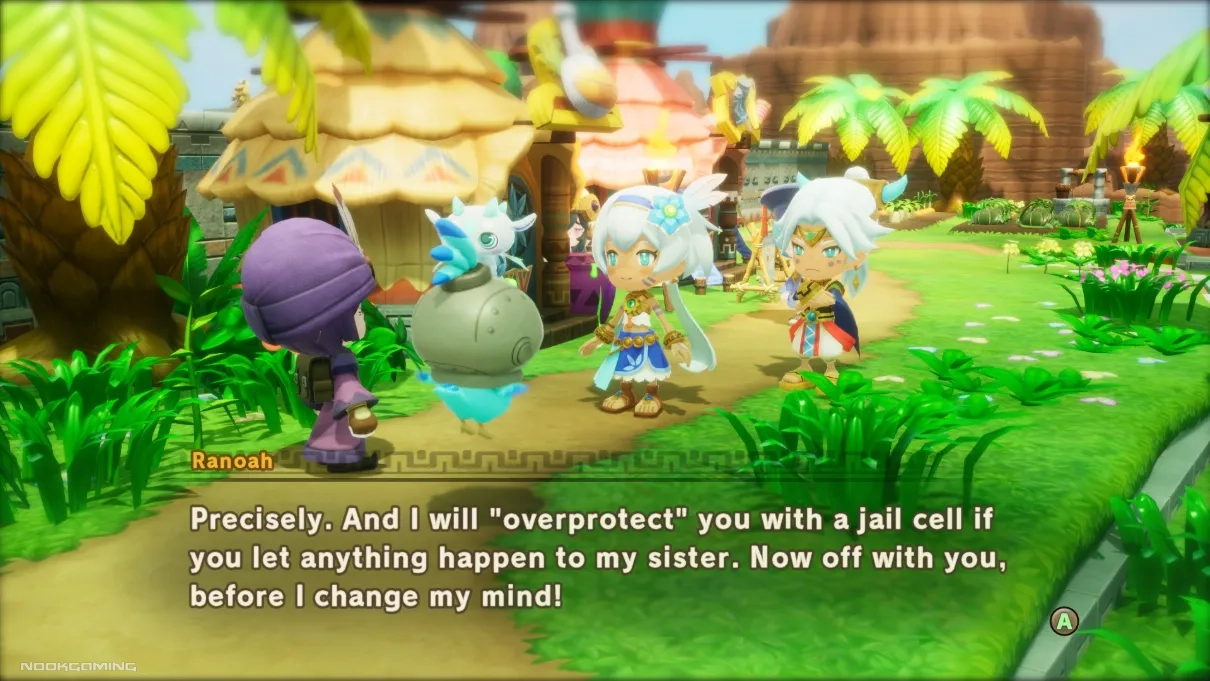
FANTASY LIFE i: The Girl Who Steals Time has a rather colorful and cartoonish appearance, which quickly grew on me. I particularly liked all the different options in the character creator and the huge amount of equipment options. Each Life has a separate set of equipment to set, which makes it very clear when you switch. You can even set actual equipment used and the equipment displayed on your character separately.
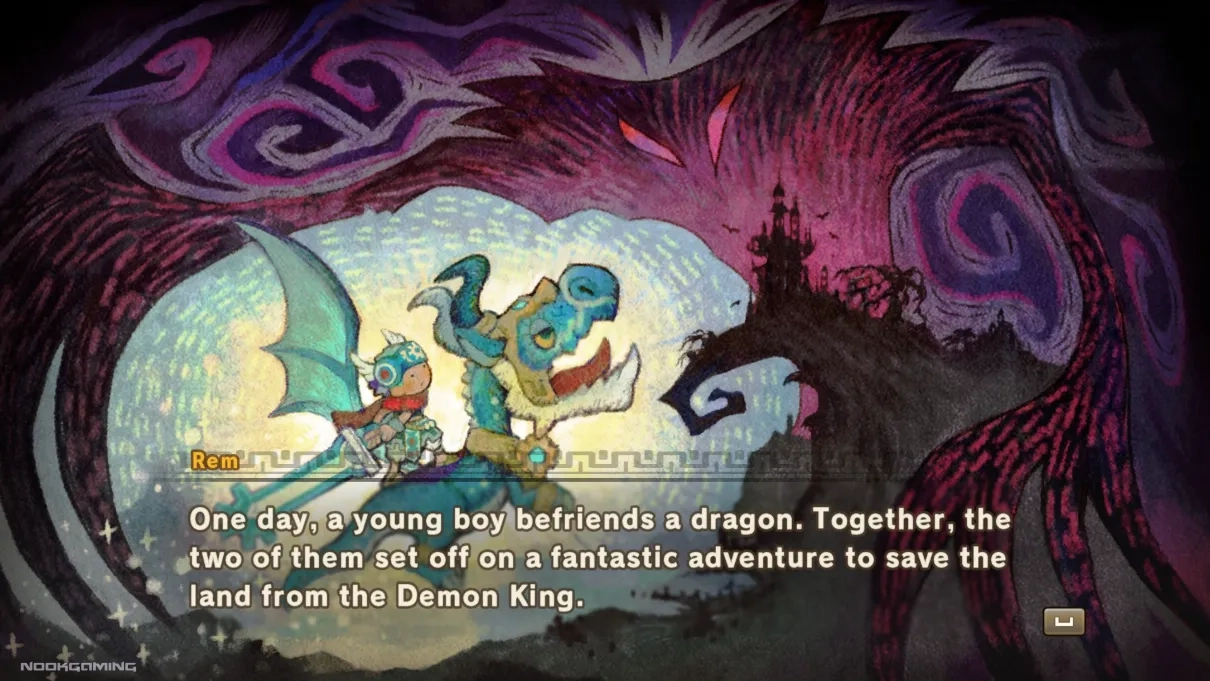
While they don’t appear too often, throughout the story you can unlock visuals with a storybook aesthetic. These worked nicely to tell the story while keeping within the tone set.
In terms of audio, both English and Japanese are offered, but not much dialogue is used. It’s primarily utterances along the lines of a single word or sound here and there. The background music and sound is more notable, but while I felt it was all fitting and pleasant to listen to, I didn’t find that it stood out. I actually felt myself feeling like I’d heard very similar pieces of music from other games multiple times when playing FANTASY LIFE i.
Verdict
If a slow-life JRPG and a lighthearted fantasy are your sort of game, FANTASY LIFE i: The Girl Who Steals Time would certainly be a title to pick up. Spend your time gathering, crafting, or taking down enemies, or search out new friends and make your island look great. There’s plenty to explore here and you’ll have a great time doing so.
FANTASY LIFE i: THE GIRL WHO STEALS TIME IS RECOMMENDED

If you like simulation/RPGs, check out our review of Rune Factory 3 Special.
Many thanks go to LEVEL-5 for a PC review code for Fantasy Life i: The Girl Who Steals Time.

A gamer since the days of Amstrad and DOS and someone who has dabbled in a variety of professions. He enjoys a wide variety of genres, but has been focusing on visual novels and virtual reality in recent years. Head Editor of NookGaming. Follow him and the website on @NookSite.